
24/7 全天候客户支持

免费退货

当日/次日达

品质保障

开启新人专享福利: 全场免邮 | 低至 2 折 | 免费试用 30 天 JoyPlus 会员
下载 Joybuy
Finding the best anti-ageing eye cream is less about choosing the most expensive jar and more about matching the formula to your main concern. The eye area is thinner than much of the face, so a product that feels comfortable and suits your routine is more likely to be used consistently.
For adults over 35, common concerns include fine lines, dryness, dark circles, puffiness and reduced firmness. However, attractive packaging and ambitious wording can make comparison difficult. Here are the main pitfalls to avoid before buying.
A rich moisturiser can make dehydrated lines look less noticeable by adding water and emollients to the skin surface. This can improve the look and feel of the eye contour, but it is not the same as permanently removing wrinkles. Look for clear information about ingredients, texture and intended use rather than relying on dramatic before-and-after language.
An eye cream for fine lines may focus on hydration and peptides, while an eye cream for dark circles may include brightening or circulation-supporting ingredients such as caffeine. Puffiness can also have several visible causes, and skincare cannot change structural features such as hollows or naturally occurring pigmentation.
Fragrance, essential oils, alcohol and active ingredients may not suit every user. Even a product labelled for sensitive eyes can cause discomfort for an individual. Check the full ingredient list, avoid direct contact with the eyes and carry out a patch test if you are prone to sensitivity.
A richer formula may be more comfortable for dry or mature skin, particularly overnight. Lightweight creams can sit more smoothly beneath concealer and may suit combination or oily skin. If you experience milia or dislike residue, avoid applying more than the recommended small amount.
Look for a complete ingredient list, net volume, usage instructions and warnings. In the UK, cosmetic products should carry appropriate safety information and responsible-person details. “Vegan”, “natural-origin” and “cruelty-free” describe different criteria, so check precisely what each claim refers to. Ophthalmological testing can be useful, but it does not guarantee that a formula will suit every sensitive eye.
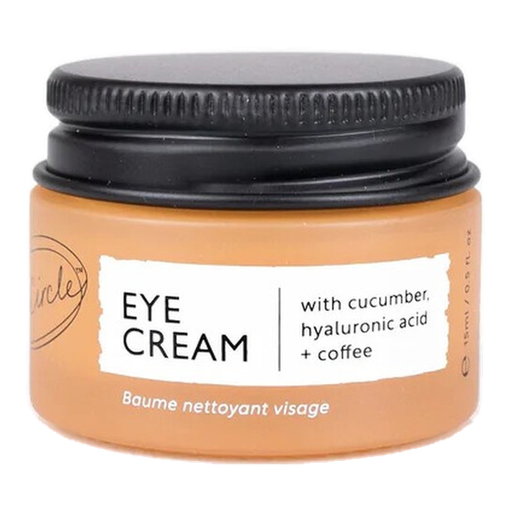
Why This Fits Their Persona: A practical starting point for shoppers seeking a vegan eye cream with a focus on hydration, dark circles and puffiness without moving straight to a retinoid.
Its positioning is based on stated ingredients and packaging information rather than a single dramatic result claim. Review the botanical ingredients if you are fragrance-sensitive.
Contains caffeine, cucumber, chamomile and sodium hyaluronate; made in the UK with 99% natural ingredients and recyclable packaging.
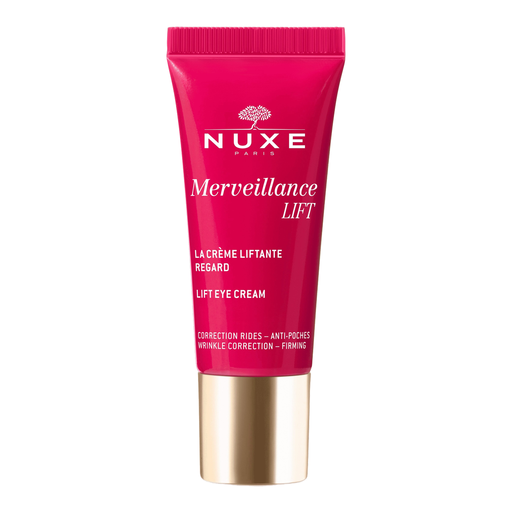
Why This Fits Their Persona: Suits shoppers who prefer a richer, comfortable texture and a formula combining natural-origin ingredients with targeted anti-ageing positioning.
The listed formula includes hyaluronic acid, squalane and shea butter for hydration, while the product description identifies its intended focus on wrinkles, firmness, dark circles and puffiness.
94% natural-origin ingredients; vegan and ophthalmologically tested. According to NUXE’s own usage test, 78% of participants reported visibly smoother under-eye wrinkles after 28 days.
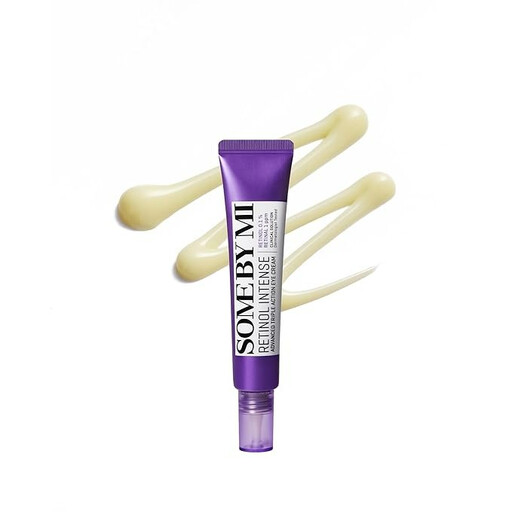
Why This Fits Their Persona: Designed for shoppers specifically comparing a retinol eye cream for fine lines, pigmentation and loss of firmness who are prepared to introduce an active gradually.
The directions specify night use, gradual introduction and daytime broad-spectrum sunscreen. These steps help shoppers avoid treating a retinoid like an ordinary moisturiser.
Lists retinol, retinal, niacinamide, tranexamic acid, panthenol and hyaluronic acid. The 30ml size is larger than the 12–15ml formats shown here.
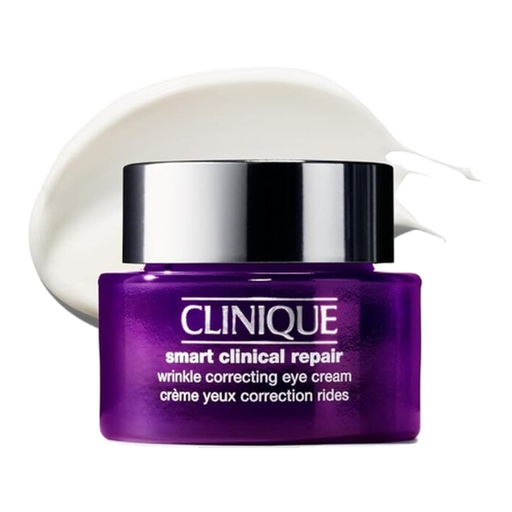
Why This Fits Their Persona: A suitable comparison point for those who prefer a fragrance-free, oil-free eye cream and regularly wear contact lenses or eye make-up.
It avoids relying on a heavy finish: the product information describes an airy whipped texture and identifies the formula as fragrance-free and ophthalmologist tested.
Contains sodium hyaluronate, caffeine and several listed peptides, including acetyl hexapeptide-8 and palmitoyl tripeptide-1.
Use approximately a rice-grain-sized amount per eye, unless the packaging states otherwise. Dot it along the orbital bone and outer corners, then tap gently with the ring finger. Avoid rubbing, pulling the skin or applying directly to the eyeball and inner mucosa.
Apply a hydrating eye cream after cleansing and before heavier face creams, unless the product directions specify another order. Introduce retinoids on alternate nights initially. Stop use if persistent redness, swelling, itching or stinging develops, and seek medical advice for ongoing eye discomfort.
Most eye creams are used in very small quantities, so a 15ml tube or jar can last several months. The actual period depends on application frequency, amount used and packaging hygiene. Follow the period-after-opening symbol, expiry information and storage instructions on the pack. Keep the lid tightly closed and store away from heat and direct sunlight, especially when using retinol or retinal.
We have compiled a complete, real-time list of products that fully satisfy these strict selection criteria and UK safety regulations.
It can be useful when your main concern is dryness, visible fine lines or a lack of comfort around the eye contour. Choose according to the formula rather than the label: peptides and moisturising ingredients suit a maintenance-focused routine, while retinoids require more careful introduction. Results are cosmetic and vary between individuals.
A face moisturiser may be suitable if it is comfortable around your eyes and does not contain irritating actives or fragrance. Eye creams are usually designed with a texture and application area in mind, but they are not automatically necessary for everyone. Avoid any product that causes watering, burning or redness.
Start cautiously. Use a small amount on alternate nights, keep it away from the lash line and wear daytime sun protection. If you have a diagnosed eye or skin condition, are pregnant or are unsure whether retinoids are appropriate, ask a qualified healthcare professional before use.