
24/7 Customer Support

Free returns

Same-day & Next-day Delivery

Quality Guaranteed

Unlock Your Welcome Offers: FREE Delivery | Up to 80% OFF | Free 30-day JoyPlus trial
Download the APP
Finding the best anti-ageing face cream is less about choosing the most expensive jar and more about matching the formula to your skin, routine and expectations. Fine lines may look more noticeable when skin is dehydrated, while menopausal or mature skin can also feel drier, less comfortable and less resilient.
Marketing can make the choice harder. Here are three common traps to avoid before buying an anti-wrinkle face cream.
Phrases such as “lifts”, “rebuilds collagen” or “erases wrinkles” often describe the intended cosmetic effect rather than a guaranteed outcome. Results can vary according to age, skin condition, application and sun exposure. Look for clear information about the formula, size, directions and any supporting claim wording rather than relying on a headline alone.
A rich texture can make dry skin feel comfortable, but it may feel heavy on combination or oily skin. Conversely, a very light gel may not provide enough comfort during cold, dry UK weather. Ingredients such as glycerin, sodium hyaluronate, squalane, shea butter and nourishing plant oils can support a moisturised feel, but the complete ingredient list matters.
A day cream with SPF can be convenient, but the protection level and application amount still matter. SPF does not automatically mean broad protection against every type of UV exposure, and a small amount of face cream may not provide the labelled protection. For prolonged outdoor exposure, use a dedicated sunscreen according to its instructions and reapply as directed.
For a face cream for fine lines and wrinkles, peptides, niacinamide, adenosine and hydrating ingredients are common choices. A peptide face cream may suit shoppers who want a daily moisturiser without introducing retinoids. A collagen face cream can provide a smoother, cushioned skin feel, although topical collagen should not be assumed to replace the body’s natural collagen.
Retinol and retinoid derivatives are popular in anti-ageing routines, but a retinol face cream may be unsuitable for some sensitive skin. Start gradually, follow the product instructions and use daytime sun protection. If your skin is reactive, a fragrance-free or simpler sensitive skin anti-ageing moisturiser may be easier to introduce.
Most options in this guide are 50ml, while the SK-II Skinpower Advanced Cream is listed as 80g. A 50ml jar may last differently depending on whether it is used once or twice daily and whether it is applied to the neck. Check the product directions and packaging before use.
Also distinguish between a hydrating anti-ageing cream for morning and evening use and a dedicated SPF product. A moisturiser with SPF25 or SPF30 may simplify mornings, but it should not encourage applying too little product.
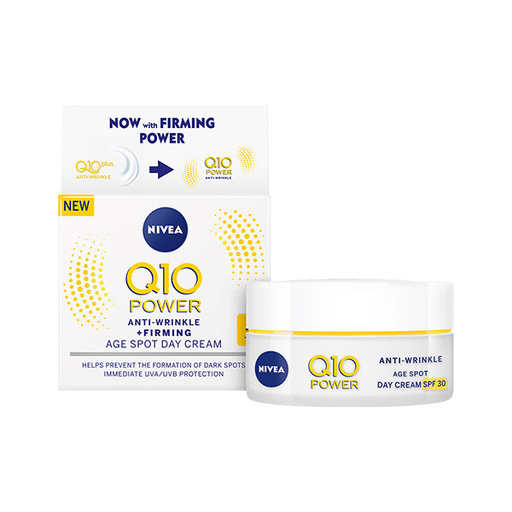
Why This Suits Them: A practical starting point for UK shoppers wanting one morning moisturiser with SPF30, Q10, creatine and sodium hyaluronate.
Its SPF30 is clearly stated, helping shoppers avoid assuming every day cream provides comparable UV protection.
Contains Q10, creatine, hyaluronic acid and SPF30 in a 50ml day cream format.
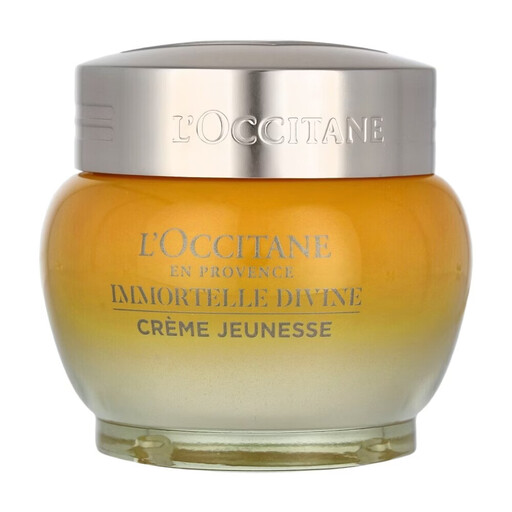
Why This Suits Them: Suits shoppers seeking a silky, nourishing cream with a premium-feeling texture for morning and evening use.
The listing provides the full ingredient information and directions, rather than relying only on a luxury positioning.
Includes glycerin, sodium hyaluronate, evening primrose oil and ascorbyl glucoside; the 50ml cream has a lightweight, soft texture.
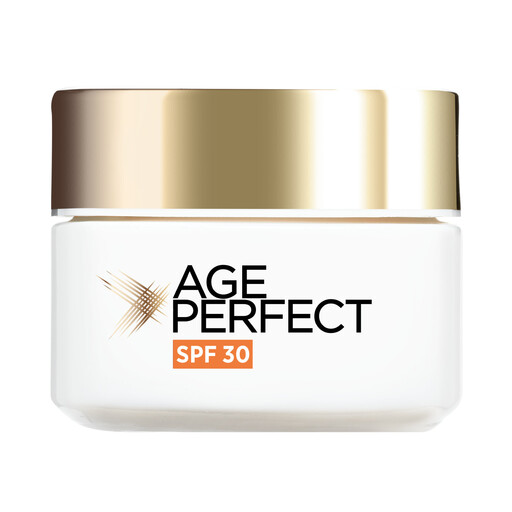
Why This Suits Them: A suitable option for mature or menopausal skin where hydration, the appearance of sagging and daily SPF are key priorities.
It combines a clearly stated SPF30 with a formula positioned for mature skin, rather than leaving sun protection as an afterthought.
Contains glycerin, niacinamide, sodium hyaluronate, peptides and UV filters in a 50ml day cream.
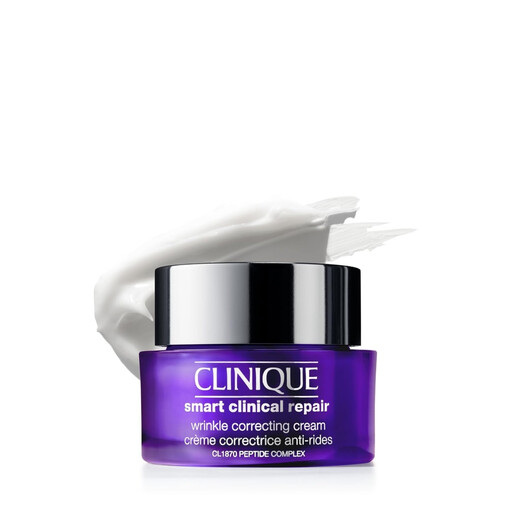
Why This Suits Them: A fragrance-free option for shoppers who prefer a straightforward moisturiser and want to avoid retinol-based products.
Its listed formula is fragrance-free, oil-free and preservative-free, giving sensitive-skin shoppers specific information to assess.
Contains peptides, dual molecular weight hyaluronic acid and soybean seed extract; suitable for morning and evening use.
We have compiled a complete, real-time list of products that fully satisfy these strict selection criteria and UK safety regulations.
Apply a small amount to clean skin, extending to the neck if the product directions allow. Introduce one new active product at a time, particularly if you already use exfoliating acids, retinol or prescription skincare. Stop using a product if persistent redness, burning, itching or swelling develops, and seek medical advice where appropriate.
Store creams as instructed, keep the lid closed and check the packaging for the latest ingredient list, batch information and shelf-life guidance. Cosmetic creams cannot replace medical treatment for persistent pigmentation, rashes or significant skin changes.
Look for a moisturiser combining humectants such as glycerin or hyaluronic acid with emollients such as squalane, plant oils or shea butter. A richer cream may feel more comfortable, but fragrance and essential oils should be checked if your skin is sensitive.
Daily UV protection can help reduce exposure associated with visible photo-ageing. Choose the SPF level that suits your routine and apply enough product to achieve the labelled protection. For strong or prolonged outdoor exposure, use a dedicated sunscreen and follow its reapplication instructions.
There is no universal lifespan because usage varies. A 50ml jar may last several weeks or longer depending on whether it is applied once or twice daily, whether the neck is included and how generous each application is. Follow the period-after-opening symbol and storage advice printed on the packaging.