
24/7 全天候客户支持

免费退货

当日/次日达

品质保障

开启新人专享福利: 全场免邮 | 低至 2 折 | 免费试用 30 天 JoyPlus 会员
下载 Joybuy
Choosing the best anti-ageing night cream is rarely as simple as selecting the most expensive jar. Fine lines, dryness, uneven tone and loss of firmness can require different ingredients, textures and routines. A rich cream may feel comfortable on dry skin but heavy on an oily complexion, while a retinol night cream may suit one shopper and irritate another.
This guide from the Joybuy Product Recommendation Officer focuses on the details that matter before you buy, including active ingredients, fragrance, texture, packaging and realistic use.
A product may mention collagen, peptides, hyaluronic acid and several botanical extracts on the front label. However, the full ingredient list is more useful than the marketing description. Ingredients are generally listed in descending order of concentration, although ingredients used at low levels may appear in a different order.
For example, a hydrating night cream should contain recognised humectants such as glycerin or hyaluronic acid, while a firming night cream may include peptides, niacinamide or skin-conditioning emollients. A long list alone does not confirm that every featured ingredient is present at a meaningful level.
Claims such as “visible results in seven days” or “younger-looking skin in four weeks” describe expected cosmetic outcomes, not a guarantee for every user. Results can vary according to age, skin condition, sun exposure, routine and consistency.
Be particularly cautious with claims about collagen production, wrinkle percentages or penetration depth. If a brand provides clinical data, it should be understood as research conducted under that brand’s stated conditions, rather than a universal result.
A heavily fragranced cream may not be suitable for shoppers prone to sensitivity. Likewise, a rich formula containing mineral oil, shea butter or waxes may feel too occlusive for oily skin, even though these ingredients can be useful for dry or mature skin.
Retinol also requires extra care. Start gradually, avoid broken or irritated skin, and use daily broad-spectrum SPF in the morning. Do not combine several potentially irritating actives immediately, such as retinol, exfoliating acids and strong vitamin C products, unless your skin already tolerates that routine.
For dry or mature skin, look for glycerin, squalane, shea butter, dimethicone, ceramides and nourishing oils. These can help reduce moisture loss and leave skin feeling softer overnight.
For oily or combination skin, consider a lighter gel-cream or non-greasy moisturiser. A product described as oil-free or non-comedogenic may be preferable, but these terms do not guarantee that every individual will avoid blemishes.
If you need a fragrance-free night cream, check the full ingredient list rather than relying only on the front label. Fragrance allergens such as limonene, linalool, geraniol and citronellol may be listed separately.
Most night creams contain around 40–55ml. Value depends on the amount used, texture and recommended frequency, not just the retail price. A pea-sized amount may be sufficient for the face and neck, while richer creams may spread differently.
Check the packaging, batch information and shelf-life guidance before use. Store skincare away from direct sunlight and heat. For any product containing retinol, follow the specific storage and sun-protection instructions supplied with the product.
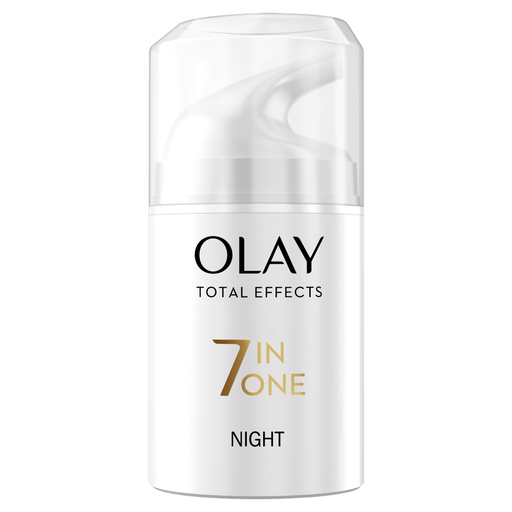
Why This Fits Their Persona: A straightforward everyday option for shoppers starting an anti-ageing routine without adding a separate treatment product.
Its ingredient list clearly identifies niacinamide, glycerin and panthenol, rather than relying only on broad anti-ageing language.
Lightweight, non-greasy texture; niacinamide-focused formula; 50ml size for nightly use.
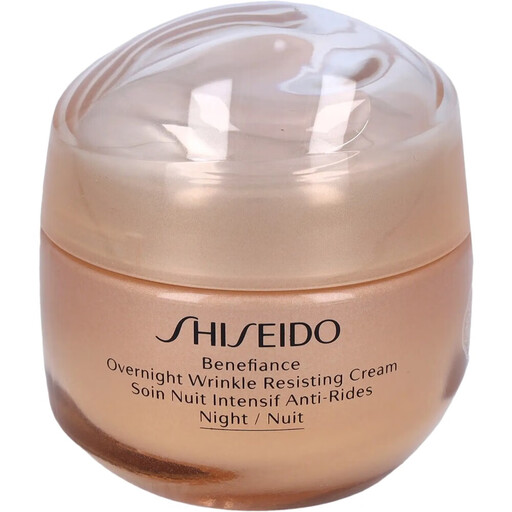
Why This Fits Their Persona: Suits shoppers who prefer a richer, sensory night-time moisturiser for dry-feeling or mature skin.
The formula and texture are clearly positioned as rich and nourishing, helping buyers avoid expecting a weightless gel finish.
Contains niacinamide, glycerin and sodium acetylated hyaluronate; rich overnight texture.
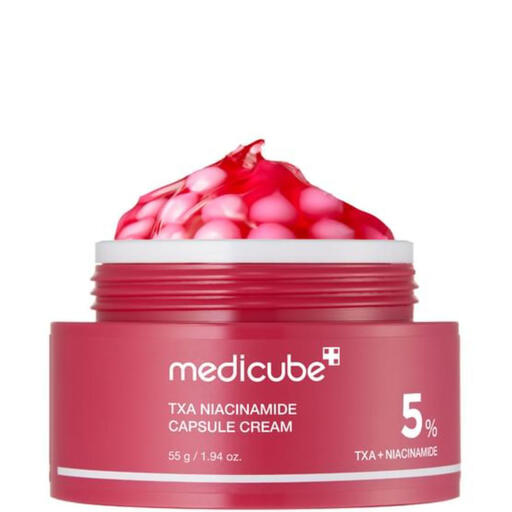
Why This Fits Their Persona: A practical choice for shoppers focused on uneven tone, hydration and adjustable texture in one product.
The capsule-and-gel format lets users choose a lighter or richer finish instead of being locked into one texture.
Contains 5% niacinamide, tranexamic acid, ceramide NP and multiple hyaluronic acid forms.
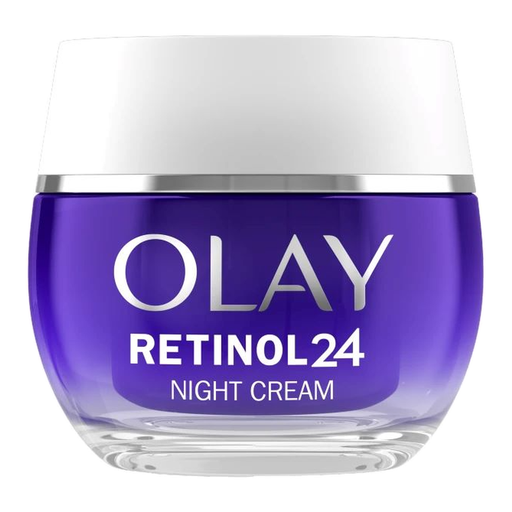
Why This Fits Their Persona: Designed for adults prioritising a retinoid-based routine for visible fine lines, dullness and uneven texture.
The product clearly states that it contains retinol and retinyl propionate, with usage warnings and a recommendation for morning SPF.
Fragrance-free formula; includes glycerin, niacinamide and vitamin E; silky, fast-absorbing texture.
We have compiled a complete, real-time list of products that fully satisfy these strict selection criteria and UK safety regulations.
Look for a richer night cream for mature skin containing glycerin, squalane, shea butter, ceramides or hyaluronic acid. A nourishing texture can help relieve overnight tightness, although the ideal choice still depends on personal tolerance and whether fragrance is acceptable.
A 50ml jar commonly lasts around two to three months when used nightly on the face, depending on how much is applied and whether it is also used on the neck. Follow the product’s recommended amount rather than applying a thick layer.
Many routines include both ingredients, but tolerance varies. Niacinamide is commonly used for conditioning and barrier support, while retinol may cause dryness or irritation when introduced too quickly. Start with one active at a time, patch test where appropriate and follow the product instructions.