
24/7 Customer Support

Free returns

Same-day & Next-day Delivery

Quality Guaranteed
Download the APP
Categories
Keeping a home clean and hygienic is a priority for many of us, but navigating the world of cleaning products can be a challenge. With so many options available, how do you choose an effective antibacterial spray that suits your household's specific needs—whether you have young children, pets, or a focus on using more sustainable products?
This guide is designed to help you understand the key factors to consider when selecting a surface cleanser. We will look at different types of formulas, their intended uses and offer some practical advice to help you make an informed choice for a cleaner, fresher home.
Before picking a product, it's helpful to consider a few key points. Thinking about where and how you'll use the spray will ensure you get a product that performs well and offers peace of mind.
Not all cleaners are created equal. A spray designed for a kitchen worktop may not be suitable for a fabric sofa.
The ideal cleaner for a single-person flat may differ from that for a busy family home with pets.
Many products state they kill 99.9% of bacteria and viruses. This claim is based on laboratory testing against specific microorganisms. For the product to be effective in your home, it must be used correctly. Always read the instructions and pay close attention to the recommended 'contact time' or 'dwell time'—the length of time the spray needs to sit on a surface to work its magic.
Here are a few products that address different household needs, from eco-friendly cleaning to tackling germs on soft furnishings.
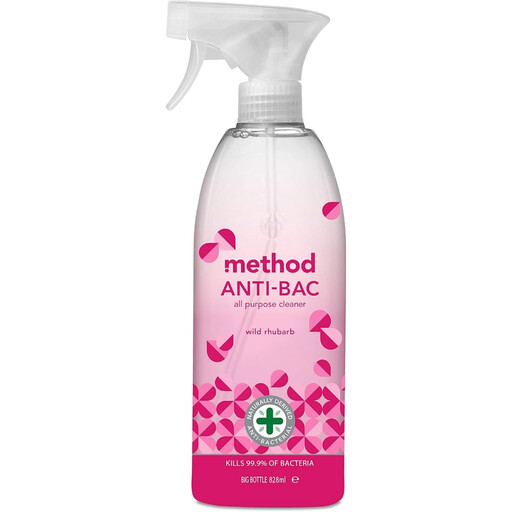
Why It Stands Out: This cleaner combines effective antibacterial action with a commitment to sustainability. Its formula is biodegradable and uses a naturally derived active ingredient, lactic acid, to disinfect surfaces. The distinctive wild rhubarb scent is a welcome departure from traditional chemical smells.
Pros:
Who is it for? This is an excellent choice for eco-conscious households and anyone who prefers cleaning products without overpowering chemical odours.
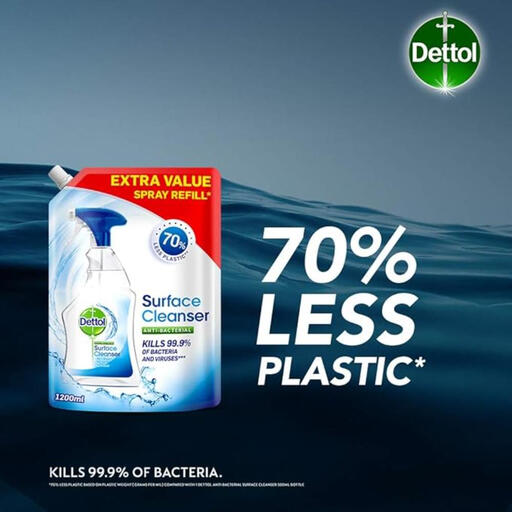
Why It Stands Out: This Dettol refill pouch offers a practical way to reduce plastic waste while providing reliable disinfection. It is specifically designed to be safe for food preparation areas and is effective at removing common allergens.
Pros:
Who is it for? Ideal for families with young children, allergy sufferers and anyone looking for a trusted surface cleanser for their kitchen with a more sustainable packaging option.
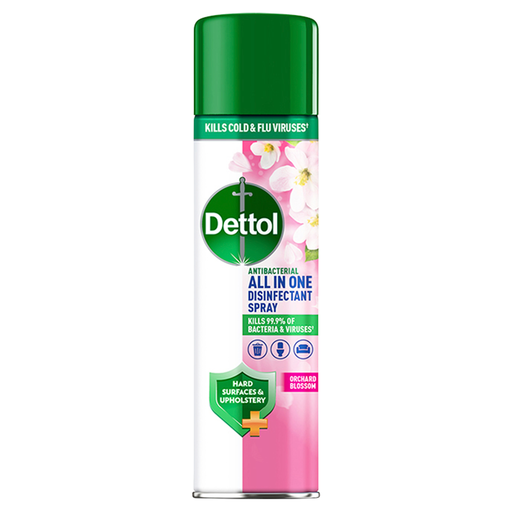
Why It Stands Out: This aerosol spray's key advantage is its versatility. It is one of the few products designed to disinfect both hard surfaces and soft furnishings, making it a true all in one disinfectant spray for the entire home.
Pros:
Who is it for? A great option for households wanting a quick and convenient way to disinfect a wide variety of items, especially those that are difficult to wipe clean.
If these recommendations aren't quite what you're looking for, there is a wider world of cleaning solutions to discover. For different formulas, scents and specialised applications, feel free to explore our full range of multi-purpose cleaner products.
1. What is the difference between an antibacterial and a disinfectant spray? While the terms are often used interchangeably, 'antibacterial' agents specifically target and kill bacteria. A disinfectant spray is a broader term for a product that is proven to kill a wider range of microorganisms, which can include bacteria, viruses and fungi. Many products on the market today function as both.
2. How long should I leave an antibacterial spray on a surface? This is known as 'contact time' or 'dwell time', and it is crucial for effective disinfection. The required time varies significantly between products, from 30 seconds to over 5 minutes. Always read the directions on the product label to ensure you are allowing enough time for it to work before wiping the surface.
3. Can I use any antibacterial spray around my pets? Caution is advised. Even products marketed as a pet safe disinfectant should be used carefully. It is best practice to keep pets out of the area while you are cleaning and not allow them back until the surfaces are completely dry. Avoid spraying directly onto pet bedding or toys unless the product explicitly states it is safe to do so.