
24/7 Customer Support

Free returns

Same-day & Next-day Delivery

Quality Guaranteed

Unlock Your Welcome Offers: FREE Delivery | Up to 80% OFF | Free 30-day JoyPlus trial
Download the APP
Keeping our homes clean and hygienic is a priority for many of us. With so many options available, choosing the right antibacterial wipes can feel overwhelming. Whether you need a quick solution for kitchen spills, a safe option for your baby’s high chair or an environmentally conscious choice, finding the right product is key. This guide is designed to help you understand the different types of surface wipes available and identify a suitable option for your household's needs.
Before looking at specific products, it helps to understand what to look for. Here are a few key considerations to guide your decision.
The growing demand for sustainable products has led to a rise in eco friendly cleaning wipes. Many are now made from plant based wipes materials like bamboo or viscose, which are renewable resources. If sustainability is important to you, look for terms like biodegradable wipes. This indicates the wipe material is designed to break down naturally over time, reducing its environmental footprint compared to traditional synthetic fibres.
Not all wipes are created equal. Some are formulated as powerful disinfectant wipes for general household use, while others are specifically designed as baby surface wipes. For areas where food is prepared or for items that may come into contact with a baby's mouth, it is wise to choose a product that is bleach-free, fragrance-free and explicitly states it is safe for these applications. Always check the packaging for guidance on which surfaces the wipes are suitable for.
The terms 'antibacterial' and 'disinfectant' are often used interchangeably, but they have different meanings. Antibacterial agents primarily target bacteria, whereas disinfectants are formulated to act against a broader spectrum of microorganisms, including viruses and fungi. Product labels often specify the types of germs they are effective against. For general hygiene, multi surface cleaning wipes with antibacterial properties are often sufficient. For a more thorough clean, especially during cold and flu season, a disinfectant wipe may be more appropriate.
Here are a few standout options that cater to different needs, from eco-conscious cleaning to baby-safe sanitising.
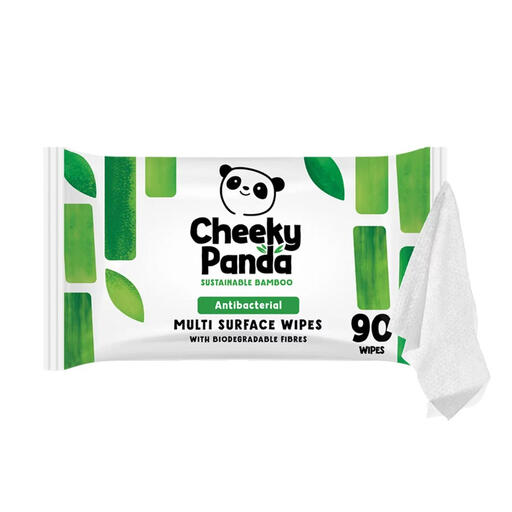
Why It Stands Out: This product leads with its strong environmental credentials. Made entirely from natural bamboo, these wipes are a compelling choice for those looking to minimise their household's plastic waste and carbon footprint.
Pros:
Who is it for? Ideal for the eco-aware consumer who wants an effective, everyday multi surface cleaning wipe without compromising on sustainability. It's a great all-rounder for quick clean-ups on desks, counters and other common surfaces.
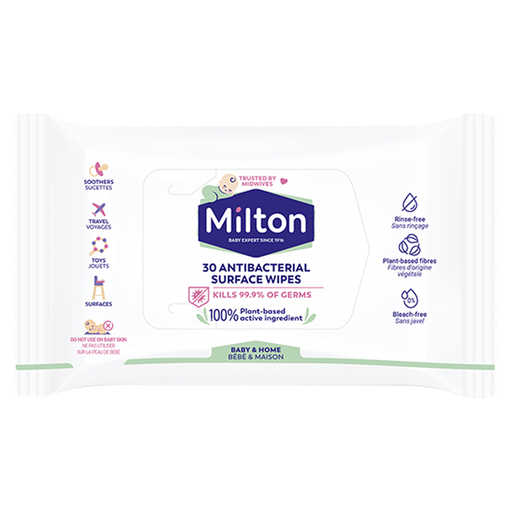
Why It Stands Out: Milton has a long-standing reputation in baby hygiene, and these wipes are specifically formulated for that environment. The active ingredient is plant-based, and the formula requires no rinsing, even on items like soothers and teats.
Pros:
Who is it for? Primarily for parents and caregivers of young children. These baby surface wipes offer a convenient way to sanitise high chairs, changing mats, toys and even soothers, providing peace of mind at home or while travelling.
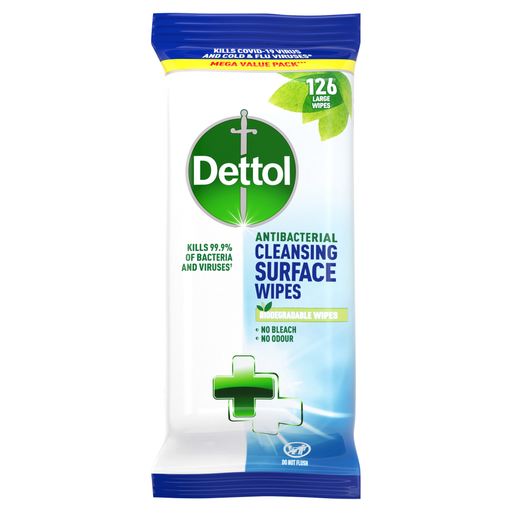
Why It Stands Out: These wipes from Dettol are positioned as a powerful, all-purpose cleaning solution for the whole home. The brand states they are effective against a wide range of bacteria and viruses, making them a robust choice for general household disinfection.
Pros:
Who is it for? Households looking for a reliable and versatile disinfectant wipe for deep cleaning and daily hygiene. Their effectiveness against a broad spectrum of germs makes them suitable for kitchens, bathrooms and high-touch surfaces like doorknobs and bins.
Wipes offer undeniable convenience, but sometimes a reusable solution is preferred. If you are interested in exploring durable, washable cleaning cloths, you may find a suitable alternative in our wider collection.
Explore our full range of antibacterial cloths for more choices.
Not always. While many multi surface cleaning wipes are versatile, some formulations can damage certain materials. It is crucial to read the product label. For example, some wipes are not recommended for use on porous surfaces like unsealed wood, fabrics or painted and varnished finishes. Always test on a small, inconspicuous area first if you are unsure.
No, you should not use surface disinfectant wipes for personal hygiene. These products are formulated for hard, inanimate surfaces and can cause skin irritation. Their chemical composition is very different from wipes designed for hands or body. Always use products specifically made for skin, such as hand sanitising wipes or soap and water.
While both are more environmentally friendly than traditional wipes, there is a key difference. Biodegradable wipes are made from materials that can be broken down by bacteria and other living organisms over time. 'Compostable' is a more specific term, meaning the product can break down into natural elements in a compost environment within a certain timeframe, without leaving toxic residue. For a wipe to be compostable, it usually requires specific conditions found in industrial composting facilities, not typically in a home compost bin.