
24/7 Customer Support

Free returns

Same-day & Next-day Delivery

Quality Guaranteed

Unlock Your Welcome Offers: FREE Delivery | Up to 80% OFF | Free 30-day JoyPlus trial
Download the APP
Keeping a home clean and hygienic is a top priority for many of us, especially in households with young children or pets. In the hustle and bustle of daily life, finding a quick and effective cleaning solution is essential. Antibacterial wipes offer a convenient way to tackle spills, sanitise surfaces and maintain a healthier living environment.
However, with so many options on the shelves, choosing the right product can feel overwhelming. This guide is designed to help you understand what to look for in a quality surface cleaning wipe and to highlight some excellent options available, so you can make a choice that suits your household's needs.
Before you add a pack to your basket, consider these key factors to ensure you're getting the right tool for the job.
You will often see the phrase "kills 99.9% bacteria" on packaging. This is a common industry standard indicating that the product is effective against specific types of bacteria and, in many cases, viruses. Products that make this claim are typically tested against standards like BS EN 1276, which evaluates the bactericidal activity of chemical disinfectants. For peace of mind, look for disinfectant wipes that clearly state which bacteria and viruses they are effective against, such as E. coli, Salmonella and Influenza viruses.
Not all wipes are created equal. Some are formulated as multi-surface wipes for general use on things like doorknobs, bins and countertops. Others are specifically designed for kitchen wipes, safe for food preparation areas. If you have little ones, look for bleach-free formulas that are suitable for highchairs and toys. Always check the product warnings, as some wipes are not suitable for porous surfaces like wood, fabrics or certain plastics.
The environmental footprint of single-use products is a growing concern. In response, many brands now offer biodegradable wipes made from plant-based fibres and plastic-free materials. These provide the same cleaning power but are designed to break down more readily after disposal. Always remember that even biodegradable wipes should be disposed of in your household waste bin, never flushed down the toilet, as they can cause blockages in the sewage system.
Here are a few standout options that cater to different needs, from all-purpose cleaning to eco-conscious choices.

Why It Stands Out: These Dettol wipes are a household name for a reason. They offer broad-spectrum disinfecting power, killing 99.9% of bacteria and viruses*, including the Covid-19 virus (SARS-CoV-2), E. coli and the flu virus (H1N1). They also remove 90% of allergens like pollen and dust mites, making them a strong choice for allergy sufferers.
Pros:
Who is it for?: Ideal for busy households seeking a reliable, all-purpose disinfectant wipe for daily cleaning and hygiene maintenance.
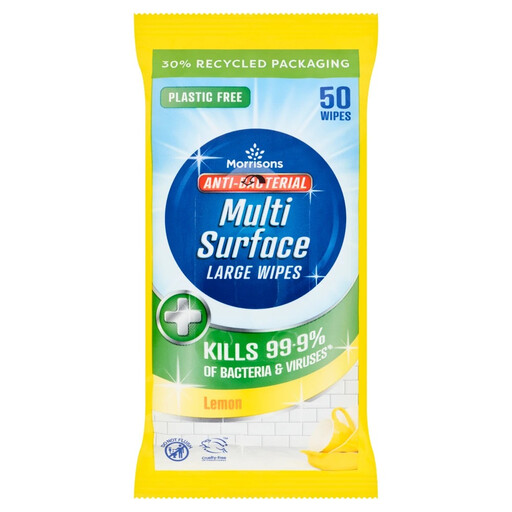
Why It Stands Out: For those prioritising sustainability, these Morrisons wipes are an excellent choice. They are plastic-free and biodegradable, offering an eco-friendlier way to clean. Certified by Cruelty-Free International, they are proven to kill 99.9% of bacteria and viruses*, including E. coli and Influenza A (H1N1), leaving behind a fresh lemon scent.
Pros:
Who is it for?: A great option for environmentally-conscious consumers who want an effective cleaning solution without compromising on their values.
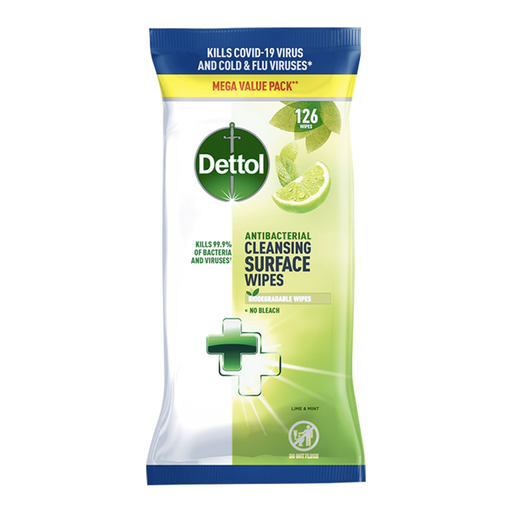
Why It Stands Out: This product combines the trusted disinfecting power of Dettol wipes with an eco-conscious design. The wipes are biodegradable and free from bleach, making them suitable for a wide variety of surfaces, including chopping boards and highchairs. The refreshing lime and mint fragrance provides a pleasant alternative to traditional cleaning scents.
Pros:
Who is it for?: Perfect for those who want a biodegradable wipe from a well-known brand and prefer a fresh, modern fragrance in their home.
While these are our top recommendations, we understand that every home has unique needs. If you're looking for different pack sizes, fragrances or specialised formulas, there are many other products to consider.
Explore our full range of disinfectant cleaning wipes to find the perfect match for your cleaning routine.
1. What is the difference between antibacterial and disinfectant wipes? The terms are often used interchangeably, but there can be a subtle difference. 'Antibacterial' specifically means the product is effective against bacteria. 'Disinfectant' typically implies a broader action against various microorganisms, including bacteria, viruses and fungi. Most products marketed as antibacterial wipes in the UK are also disinfectants, but it's always best to check the label to see what specific germs it is proven to kill.
2. Can you use surface cleaning wipes on your hands? No, you should not use surface wipes on your skin. These products are formulated with chemicals designed for hard, non-porous surfaces and are not intended for personal hygiene. The product warnings on all the recommended wipes state "Not for personal hygiene use." Using them on your skin could cause irritation. Always use wipes specifically designed for hands or a hand sanitiser instead.
3. How should I dispose of antibacterial wipes? Antibacterial wipes, including biodegradable ones, should always be disposed of in a general household waste bin. Never flush them down the toilet. Wipes do not break down in water like toilet paper and are a major cause of blockages in pipes and sewer systems, leading to costly plumbing issues and environmental pollution.
*Kills 99.9% of bacteria and viruses, such as E.Coli and Influenza A (H1N1). See product packaging for details on specific bacteria and viruses.