
24/7 Customer Support

Free returns

Same-day & Next-day Delivery

Quality Guaranteed

Unlock Your Welcome Offers: FREE Delivery | Up to 80% OFF | Free 30-day JoyPlus trial
Download the APP
Dealing with dry, damaged or frizzy hair can be a frustrating cycle. You invest in a promising new conditioner, only to find it either weighs your hair down or does little to improve its texture long-term. As a Joybuy Product Recommendation Officer, my role is to help you navigate the crowded hair care aisle and find products that deliver on their promises without the marketing fluff.
Many of us have fallen into common shopping traps. Let's look at a few pitfalls to avoid when searching for an effective argan oil conditioner for damaged hair.
To make a more informed choice, focus on a few core parameters that separate a genuinely effective conditioner from a disappointing one.
Always check the ingredient list. For an argan oil conditioner, you should look for Argania Spinosa Kernel Oil somewhere in the main body of the list, not at the very end. Also, pay attention to claims like "96% natural origin". This indicates that the majority of the formula is derived from plant-based materials, water and naturally occurring minerals that have undergone limited processing. This is a strong sign of a quality natural conditioner for damaged hair.
For many UK consumers, a product's ethical footprint is as important as its performance. Look for clear statements or logos indicating the product is a vegan argan oil conditioner (contains no animal-derived ingredients) and is cruelty-free (not tested on animals). Certifications from respected organisations, such as PETA or partnerships with botanical institutions like the Royal Botanic Gardens, Kew, add a layer of trust and transparency to a brand's claims.
The ability to use a conditioner in multiple ways offers excellent value and customisable care.
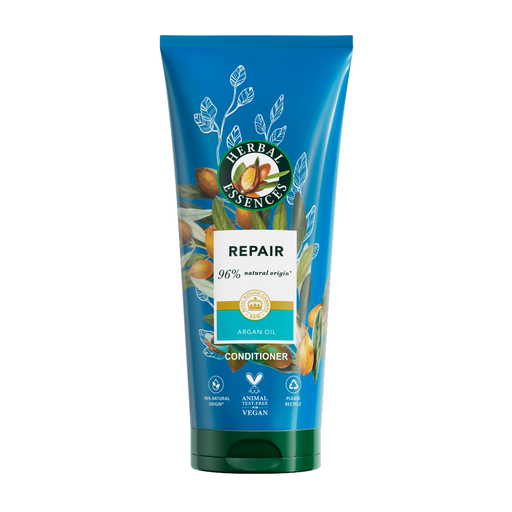
Why This Fits Their Persona: This user prioritises effective, plant-powered solutions for visibly damaged hair. They value brand transparency and want a product that delivers a potent dose of nourishment while aligning with their vegan and cruelty-free principles.
It sidesteps the "fairy dust" pitfall with a 96% natural origin formula where Argania Spinosa Kernel Oil is a key ingredient. Its dual-use nature also avoids the one-trick-pony problem.
According to the brand, it provides up to 3x more nourishment as a leave-in. It is a vegan and cruelty-free hair repair treatment certified by plant experts at the Royal Botanic Gardens, Kew.
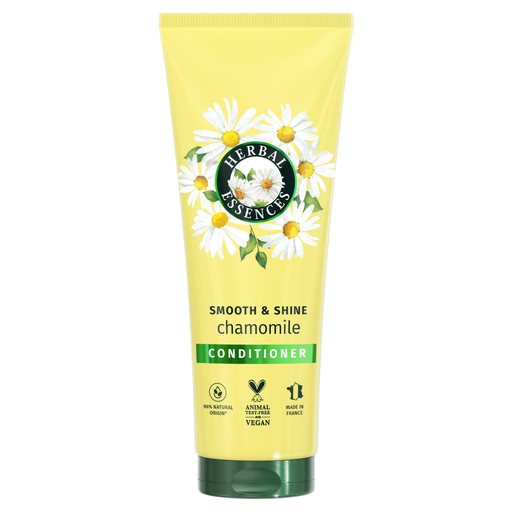
Why This Fits Their Persona: This person's hair isn't severely damaged but tends to be dull and frizzy. They want a daily-use conditioner that adds shine and softness without the heavy feel, plus a pleasant, uplifting scent for a better morning routine.
This formula is silicone-free, directly countering the "silicone-coating" pitfall that can lead to build-up and dullness over time. It provides shine through nourishment, not just surface coating.
It's a versatile dual-use conditioner (rinse-off or leave-in) with a 96% natural origin formula. The chamomile-infused scent is designed to be mood-boosting for a pleasant sensory experience.
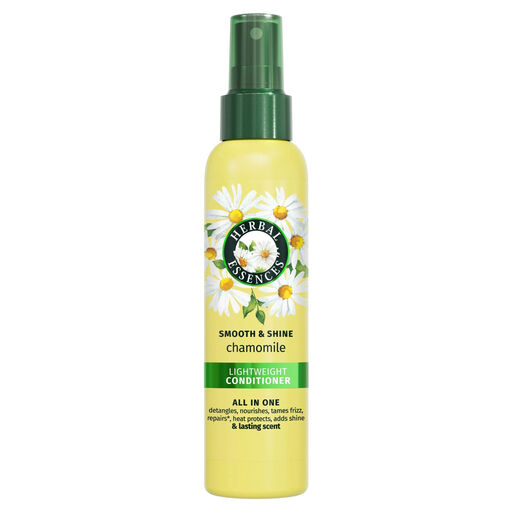
Why This Fits Their Persona: This user is often short on time and needs a quick, multi-benefit product to manage their hair. They need to detangle, tame frizz and protect their hair from heat styling without a full wash-and-condition routine.
As a dedicated leave-in repair conditioner spray, it eliminates the risk of using a heavy rinse-off formula incorrectly. Its lightweight, silicone-free nature ensures hair stays fresh and manageable, not greasy.
This all-in-one formula offers 7 benefits, including detangling, frizz control and heat protection. The 97% natural origin formula can also be used as a hair perfume for a lasting fresh scent.
We have compiled a complete, real-time list of products that fully satisfy these strict selection criteria and UK safety regulations.
For hair that is very dry or damaged, using a rinse-off argan oil conditioner 2-3 times per week (each time you wash your hair) is a good starting point. A lightweight leave-in version can be applied sparingly to damp or dry hair on a daily basis to help manage frizz and maintain moisture levels between washes.
This is a common concern, but it depends entirely on the product's formulation and your application technique. To avoid weighing down fine hair, choose a conditioner described as "lightweight" and focus application on the mid-lengths and ends of your hair, keeping it away from the roots. A versatile product that can be used as both a rinse-off and leave-in gives you more control, as you can use a much smaller amount for the leave-in application.
The term 'natural origin' (e.g., 96% natural origin) typically means that the ingredients are derived from natural sources like plants or minerals but may have undergone limited processing to make them functional and safe for use in a cosmetic formula. '100% natural' would imply ingredients in their raw, unprocessed state, which is very rare for a complex product like a conditioner. A high percentage of natural origin ingredients is a strong, realistic indicator of a formula that prioritises plant-based components.