
24/7 Customer Support

Free returns

Same-day & Next-day Delivery

Quality Guaranteed

Unlock Your Welcome Offers: FREE Delivery | Up to 80% OFF | Free 30-day JoyPlus trial
Download the APP
Whether you are a professional illustrator detailing a complex piece, a student organising lecture notes or a hobbyist bringing a bullet journal to life, the right pen can make all the difference. The world of art pens is vast and varied, with options tailored for every conceivable task. Navigating the choices—from ink types to tip sizes—can be a challenge.
This guide is designed to cut through the clutter. As a Joybuy Product Recommendation Officer, my role is to provide clear, practical advice to help you find the tools that truly fit your needs. We will explore what makes a great pen and highlight a few standout options for drawing, writing and creative projects.
Before diving into specific products, understanding a few key features will help you make a more informed decision. Consider these points when browsing for your next set of drawing pens.
The ink is the heart of any pen, and its properties determine how it behaves on paper.
The tip, or nib, dictates the kind of line you can create.
Here are a few carefully selected options that cater to a range of creative and practical needs, from professional artistry to everyday organisation.
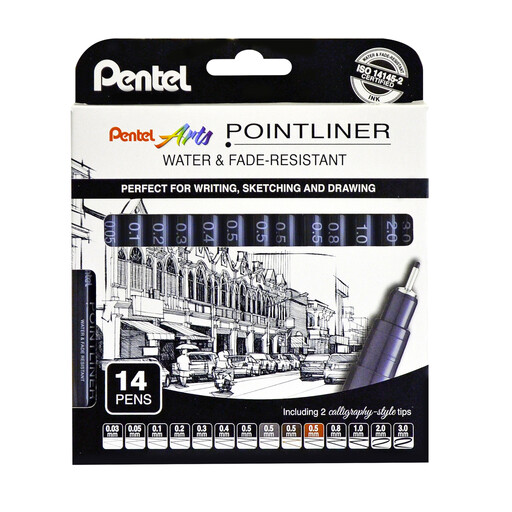
Why It Stands Out: This set is a comprehensive toolkit for anyone who needs precision. With a wide range of 11 tip sizes included in the pack, it offers exceptional versatility for creating everything from delicate hatches to bold, confident lines. The use of water and fade-resistant pigment ink makes it a reliable choice for work that needs to last.
Pros:
Who is it for? This pack is an excellent choice for pens for artists, illustrators, architects and designers who require a variety of line weights and archival-quality ink for their sketching pens.

Why It Stands Out: These pens focus on a superior writing experience. The combination of a 0.5mm twin-ball tip and quick-drying gel ink delivers an exceptionally smooth, skip-free line that resists smearing. Thoughtful design features like the silent clicker and soft ergonomic grip make them a pleasure to use for extended periods.
Pros:
Who is it for? Perfect for students, office professionals and anyone who does a lot of writing. These are also fantastic pens for bullet journaling, ensuring neat, clean pages without bleed-through or smudging.
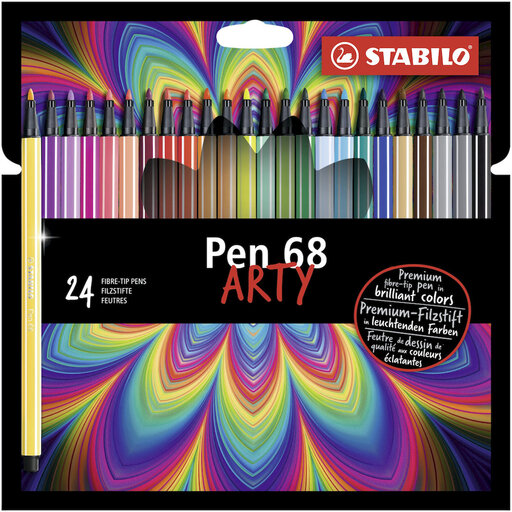
Why It Stands Out: This colouring pens set is all about vibrant, intense colour. The robust M-tip (approx. 1mm) lays down ink evenly, making it suitable for colouring large areas and creating bold lines. A standout feature is the water-based ink, which can be blended with a wet brush to create beautiful aquarelle effects.
Pros:
Who is it for? Hobbyists, crafters and creative journal-keepers will appreciate the brilliant colours and versatility of this set. It is ideal for colouring books, mind-mapping and adding a splash of colour to any project.
The world of creative tools is always expanding. If you are interested in sustainable options or different tip styles, you might find what you are looking for in our broader collection.
? Explore our full range of Refillable sketch pen options and more.
1. What is the difference between drawing pens and regular pens? Drawing pens, or art pens, are specialised tools designed for creative work. They often feature archival, waterproof ink, a wider range of tip sizes for varied line weights and nibs engineered for consistent flow. Regular ballpoint pens typically use oil-based ink and are designed for general writing, not for the precision or longevity required by artists.
2. Are fineliner pens good for writing? Yes, fineliner pens are excellent for writing, especially if you prefer a neat, precise line. Their fine tips make handwriting clear and legible, which is why they are a popular choice for note-taking, filling out forms and pens for bullet journaling.
3. How do I stop my art pens from bleeding through paper? Pen bleed is usually a combination of ink type and paper quality. To prevent it, choose paper with a higher weight (measured in gsm). For ink-heavy work, paper above 100gsm is recommended. Using quick dry pens with gel or pigment ink can also help, as the ink sits on top of the paper's surface rather than soaking into the fibres as much as some water-based or alcohol-based inks do.