
24/7 Customer Support

Free returns

Same-day & Next-day Delivery

Quality Guaranteed

Unlock Your Welcome Offers: FREE Delivery | Up to 80% OFF | Free 30-day JoyPlus trial
Download the APP
Whether you are meticulously planning your week in a bullet journal, adding colour to an illustration or taking study notes, the right art pens can transform the task from a chore into a creative pleasure. With a vast array of options available, from ultra-precise fineliners to expressive brush pens, choosing the correct tool can feel overwhelming.
As the Joybuy Product Recommendation Officer, my role is to help you navigate the choices. This guide offers practical advice and highlights a selection of pens suited for various creative and organisational needs, helping you find the perfect instrument to bring your ideas to life.
Before diving into specific products, consider these key factors. A little knowledge can ensure the pens you choose are a perfect match for your intended use.
The tip of the pen dictates the kind of line you can create.
The ink formula is just as important as the tip.
From vibrant primary colours to muted, soft tones, the colour range can define the mood of your work. While a large set of art markers offers great versatility, a curated pack of pastel highlighters might be all you need for organising your planner. Consider whether you need a broad spectrum or a specific, coordinated palette.
Here are four noteworthy options that cater to different creative styles and tasks, selected for their features and user feedback.
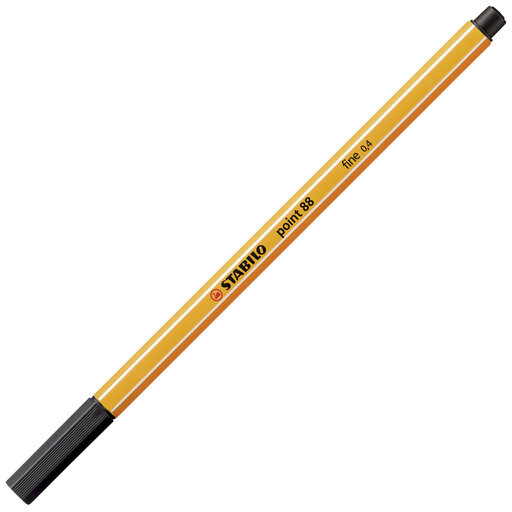
Why It Stands Out: The STABILO Point 88 is instantly recognisable by its orange hexagonal barrel and striped design. These fineliners are a staple for a reason. The metal-encased tip provides durability and makes it suitable for use with rulers and stencils, while the 0.4mm line width delivers excellent precision for writing and intricate patterns.
Pros:
Who is it for: Ideal for students, bullet journal enthusiasts and anyone who needs a reliable and colourful set of fineliners for writing, doodling and detailed drawing.
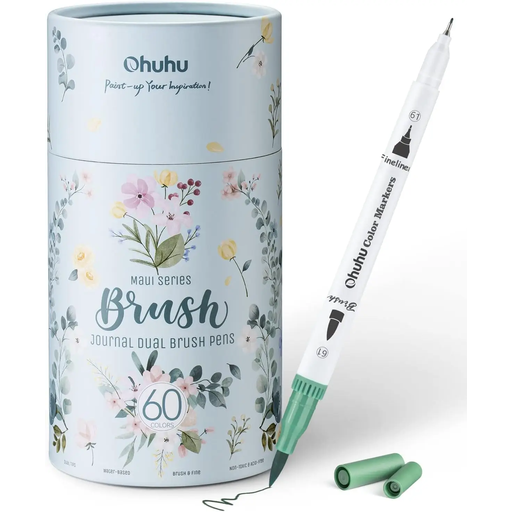
Why It Stands Out: This set from Ohuhu offers incredible versatility. Each of the 60 pens features two ends: a flexible brush pen for broad strokes and calligraphy, and a 0.4mm fineliner for details. The water-based ink is blendable, allowing for smooth gradients and watercolour-style effects on suitable paper. The inclusion of replacement tips is a practical touch that extends the life of the set.
Pros:
Who is it for: A great choice for illustrators, calligraphers and adult colouring fans who want a comprehensive set of dual tip markers that can handle both broad colouring and fine detail.

Why It Stands Out: Moving away from harsh, fluorescent tones, Zebra's Mildliners provide a soft, translucent wash of colour that is easy on the eyes. Their dual-tip design, featuring a broad chisel tip and a fine bullet tip, makes them more than just highlighters. The water-resistant pigment ink is formulated to resist bleeding through most paper types, making them a favourite for journaling supplies.
Pros:
Who is it for: Students, professionals and planner addicts who want to organise their notes with subtle, aesthetically pleasing pastel highlighters.
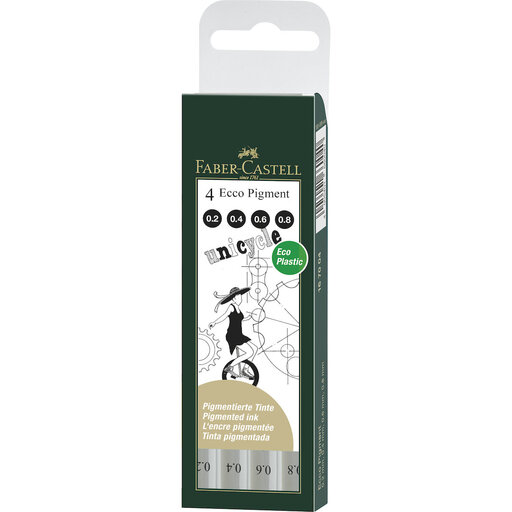
Why It Stands Out: For work that needs to last, these Faber-Castell drawing pens are an excellent choice. They are filled with special pigmented black ink that is both waterproof and lightfast, ensuring your lines won't smudge with water or fade over time. This wallet includes four different line widths (0.2mm, 0.4mm, 0.6mm and 0.8mm), providing the precision needed for technical drawing, inking comics or creating detailed sketches.
Pros:
Who is it for: Artists, architects, designers and hobbyists who require reliable, permanent sketching pens for technical work or creating lasting artwork.
If these specific sets don't quite match what you're looking for, there are many more tools to discover. Our full selection of fine liner pens offers a wider variety of brands, tip sizes and colour sets. Browse the collection to find the perfect match for your next project.
A fineliner has a firm, narrow tip designed to create a single, consistent line width. This makes it perfect for writing, outlining and detailed drawings. A brush pen has a flexible, tapered tip that behaves like a small paintbrush, allowing you to create lines of varying thickness by changing your pressure. This makes it ideal for calligraphy, expressive lettering and colouring.
Ink bleeding is a common frustration. To minimise it, first consider your pen. Those with pigment-based or specially formulated no-bleed water-based inks are less likely to bleed. Second, paper choice is critical. Thicker paper, typically 100 gsm (grams per square metre) or higher, provides a better barrier. When in doubt, always test your pen on a spare page or in an inconspicuous corner of your notebook first.
Yes, depending on the application. Water-based art markers are highly valued by illustrators and designers for their ability to blend smoothly and create watercolour-like effects without the mess of paints. However, for work that requires permanence and resistance to fading over time (archival quality), artists often prefer pigment-based or alcohol-based markers, as their inks are typically more lightfast and waterproof once dry.