
24/7 Customer Support

Free returns

Same-day & Next-day Delivery

Quality Guaranteed

Unlock Your Welcome Offers: FREE Delivery | Up to 80% OFF | Free 30-day JoyPlus trial
Download the APP
Finding a truly exceptional loaf of bread can transform a simple meal into a memorable one. Yet, with so many options available, it can be difficult to distinguish a genuine artisan bread from a standard loaf. Many of us are looking for that perfect combination of wholesome ingredients, rich flavour and satisfying texture, whether for a morning slice of toast, a hearty sandwich, or an elegant bread for cheese board.
As a Joybuy Product Recommendation Officer, my role is to help you navigate the choices. This guide is designed to offer practical advice on selecting a high-quality fresh bread loaf online and to highlight a few noteworthy options that stand out for their ingredients and craftsmanship.
Before we look at specific products, here are a few key points to consider when selecting an artisan bread.
The foundation of any great bread is its ingredients. True artisan baking often relies on a short, simple list: flour, water, salt and a leavening agent like yeast or a natural sourdough starter. Look for loaves that use high-quality flours, such as whole grain or rye flour, which contribute to a richer flavour and higher fibre content. Additions like seeds, nuts or olives should be plentiful and complement the bread's character, turning a simple loaf into a specialty bread. Avoid products with long lists of artificial preservatives, emulsifiers or flavour enhancers.
Different breads serve different purposes. A dense, nutty country grain bread or a robust seeded loaf is ideal for substantial sandwiches or toasting with butter. A classic sourdough loaf, with its characteristic tang and chewy crumb, is incredibly versatile and pairs beautifully with soups, stews or simply on its own. For entertaining, an olive bread offers a savoury, Mediterranean flair that elevates any cheese or charcuterie platter. Considering how you plan to enjoy the bread will help you choose the perfect type.
Artisan bread is as much about texture as it is about taste. A well-made loaf should have a satisfying crust—whether it's thin and crisp or thick and chewy—and a well-developed crumb inside. The description can often give clues; terms like "open crumb" suggest a lighter, airier texture typical of sourdough, while a "dense" or "hearty" crumb points to a more substantial, filling loaf, often found in whole grain bread varieties.
Here are a few loaves that exemplify the qualities we look for in excellent artisan bread, selected for their ingredient quality and flavour profiles.
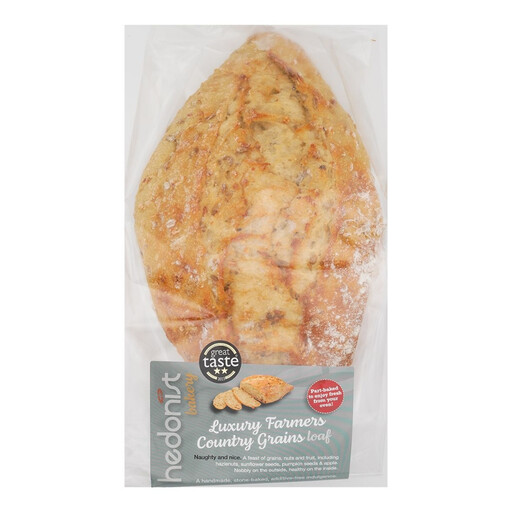
Why It Stands Out: This country grain bread is a celebration of rustic texture and flavour. What makes it particularly interesting is the inclusion of apple puree, which adds a subtle, natural sweetness and helps maintain a moist, tender crumb. It’s packed with sunflower seeds, hazelnuts and pumpkin seeds, ensuring every slice delivers a wholesome and satisfying crunch.
Pros:
Who is it for? Anyone who enjoys a hearty, textured seeded loaf with a hint of natural sweetness. It’s excellent for toasting and serving with sharp cheese or savoury spreads.
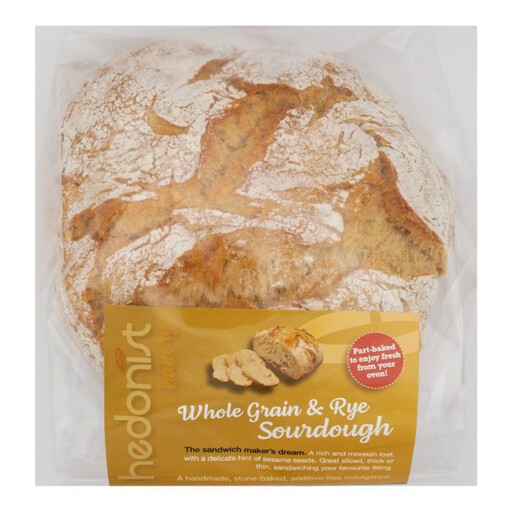
Why It Stands Out: This sourdough loaf combines the tangy complexity of a natural sourdough starter with the earthy depth of whole grain rye flour. The slow fermentation process not only develops its signature flavour but also contributes to its texture. Topped with sesame seeds, it has a nutty finish that complements its robust character.
Pros:
Who is it for? Fans of traditional sourdough who appreciate a deeper, more complex flavour. Its sturdy structure makes it a superb choice for sandwiches or for dipping into hearty soups and stews.
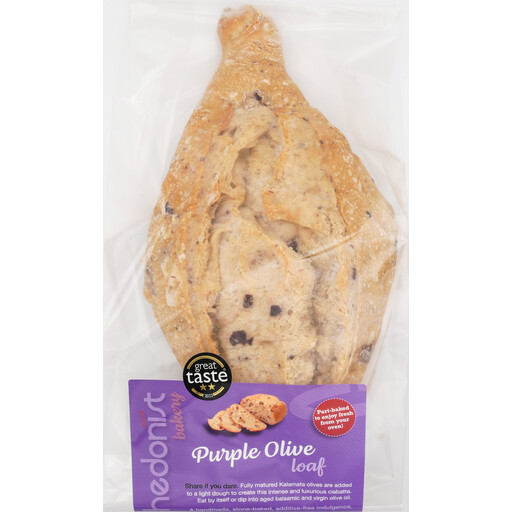
Why It Stands Out: An authentic taste of the Mediterranean, this olive bread is generously studded with brined olives, delivering a savoury, salty burst in every bite. The dough is enriched with a touch of olive oil, which creates a wonderfully tender crumb beneath a crisp, golden crust. It’s a simple yet elegant loaf that shines with flavour.
Pros:
Who is it for? Those who love savoury flavours and are looking for a specialty bread to serve with pasta, salads or simply to dip in high-quality olive oil and balsamic vinegar.
If these selections aren't quite what you're looking for, there is a wider world of artisan baking to discover. From different grains to unique flavour combinations, the perfect loaf is waiting.
Explore our full collection of artisan bread to find your ideal match. Browse More Bread
Artisan bread is typically defined by the methods and ingredients used to make it. It generally involves traditional baking techniques, longer fermentation times (as with sourdough) and a focus on simple, high-quality ingredients like specific flours, water, salt and yeast. Unlike mass-produced bread, it avoids artificial preservatives, dough conditioners and other additives.
To keep your artisan bread fresh, store it at room temperature in a cool, dry place away from direct sunlight. A paper bag is a good option for preserving a crisp crust for a day or two. For longer storage, transfer the loaf to an airtight bag or bread bin, which will help retain moisture in the crumb. Most of these loaves are also suitable for freezing; simply slice before freezing and toast directly from frozen as needed.
The key difference is the leavening agent. A sourdough loaf is made using a "starter" or "levain"—a fermented culture of flour and water that contains natural, wild yeasts and bacteria. This natural fermentation process takes longer than using commercial yeast and is responsible for sourdough's signature tangy flavour, chewy texture and open crumb structure.