
24/7 Customer Support

Free returns

Same-day & Next-day Delivery

Quality Guaranteed

Unlock Your Welcome Offers: FREE Delivery | Up to 80% OFF | Free 30-day JoyPlus trial
Download the APP
Navigating the world of Asian noodles can feel like a journey in itself. Standing in the aisle, you're faced with a huge variety of shapes, sizes and ingredients. Which ones are right for a hearty stir-fry? Which are best for a light, fragrant soup? And what exactly are glass noodles? It's easy to feel a little lost.
As the Joybuy Product Recommendation Officer, my role is to help you find the right products for your kitchen. This guide is designed to demystify the options, offering practical advice to help you select the perfect noodles for your next culinary creation, whether you're planning an authentic feast or need a quick and satisfying meal.
Before we look at our recommendations, here are a few key points to consider when making your selection.
The texture and thickness of a noodle determine its best use.
The main ingredient dictates the noodle's flavour, texture and dietary properties.
Your available time and cooking style will also influence your choice.
Here are a few standout options that cater to different needs, from authentic home cooking to quick weeknight meals.
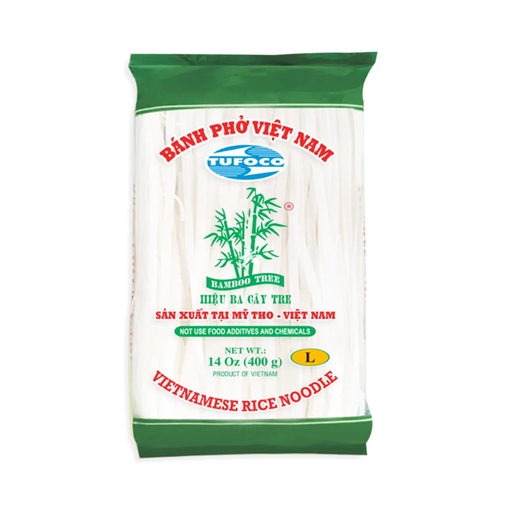
Why It Stands Out: These 5 mm wide rice noodles from Vietnam offer the ideal balance of chewiness and tenderness. Made simply from rice flour and water, they provide a neutral base that excels at absorbing the flavours of your sauces and broths. Their width makes them robust enough for stir-frying, yet they are equally at home in a bowl of homemade pho.
Pros:
Who is it for? Home cooks who want a versatile, high-quality noodle for creating authentic Southeast Asian dishes from scratch.
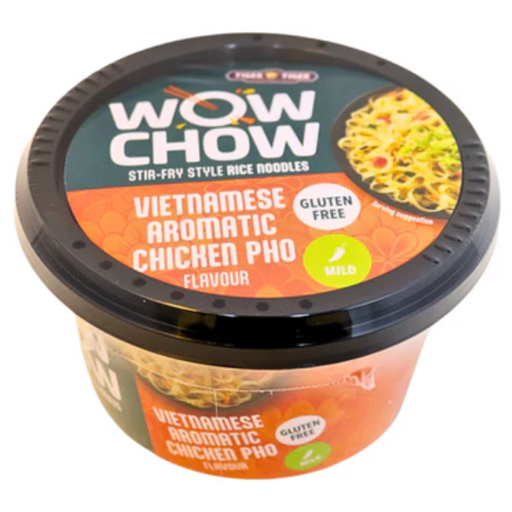
Why It Stands Out: This instant pho kit delivers the comforting flavours of a Vietnamese-style noodle soup in under five minutes. It combines rice noodles with a savoury chicken-flavoured seasoning, dehydrated vegetables and a fragrant oil infused with fried shallots. It's a simple and satisfying solution for a quick lunch at the office or an easy dinner at home.
Pros:
Who is it for? Busy individuals, students or anyone looking for a warm and flavourful meal without the cooking time.
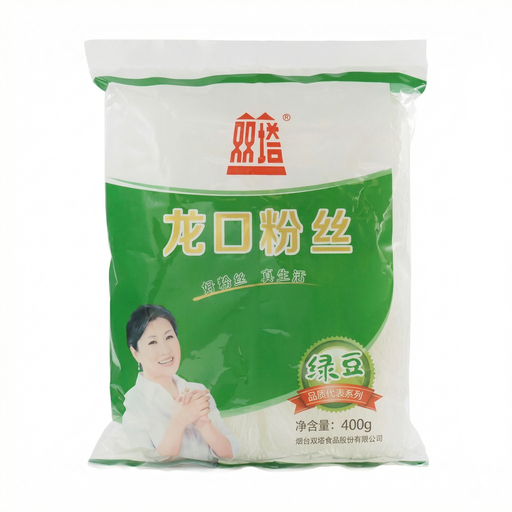
Why It Stands Out: These are classic glass noodles, made primarily from mung bean starch. Known as Longkou vermicelli, they are famous for their delicate, translucent appearance and distinctively firm, springy bite. They are incredibly versatile, working well in boiling soups and hot pots, where they cook in minutes, or served cold in salads after a quick blanch.
Pros:
Who is it for? Cooks looking for a delicate, chewy noodle for Chinese hot pot, clear soups, spring roll fillings or cold noodle salads.
Our recommendations cover some of the most popular and versatile types of Asian noodles, but the exploration doesn't have to end here. If you're searching for a specific thickness or style, there are many more options to discover.
Explore our full range of noodle packs to find the perfect foundation for your next meal. Browse the Rice Noodles Pack Category
The main difference is the ingredient. Rice noodles are made from rice flour and are typically opaque and white. Glass noodles (or cellophane noodles) are made from various starches, such as mung bean or sweet potato starch. They are semi-transparent before cooking and become almost completely clear, with a springier, chewier texture, once cooked.
Not all of them. While noodles made from 100% rice flour, mung bean starch or sweet potato starch are naturally gluten-free noodles, many other popular Asian noodles are made from wheat. This includes ramen, udon and soba (which often contains a mix of buckwheat and wheat flour). Always check the ingredients list on the packaging if you have a gluten sensitivity or coeliac disease.
A common trick is to rinse the noodles with cold water immediately after boiling and draining them. This washes away excess starch that causes stickiness. Tossing them with a small amount of neutral oil (like sesame or vegetable oil) can also help keep the strands separated, especially if you aren't using them right away.