
24/7 Customer Support

Free returns

Same-day & Next-day Delivery

Quality Guaranteed

Unlock Your Welcome Offers: FREE Delivery | Up to 80% OFF | Free 30-day JoyPlus trial
Download the APP
The world of Asian noodles available online in the UK is vast and exciting. From fiery Korean challenges to comforting Japanese broths, there’s a noodle for every palate and occasion. However, this huge selection can also be a minefield. It’s easy to be swayed by flashy packaging or seemingly great deals, only to be left with a pantry full of disappointment. As a Product Recommendation Officer, my role is to help you see past the marketing and make choices that deliver on flavour, texture and value.
Before you add to your basket, let’s look at some common pitfalls that UK shoppers encounter when they buy noodles online UK.
multipack noodles can seem like a fantastic bargain. However, a closer look often reveals that the individual packets are significantly smaller (e.g., 80g instead of the more substantial 120g), meaning your cost-per-serving is not as low as you thought.To avoid these issues, focus on a few core details. Understanding these will empower you to choose the right Asian noodles for your needs, whether you're making a quick lunch or a gourmet dinner.
The base ingredient is the single most important factor determining a noodle's texture and how it behaves in a dish.
Look beyond generic descriptions like "spicy" or "savoury." The seasoning sachet is where the magic happens.
Finally, decide if you need an all-in-one solution or a base for your own culinary creation.
Based on these practical criteria, here are a few recommendations matched to different needs and preferences.
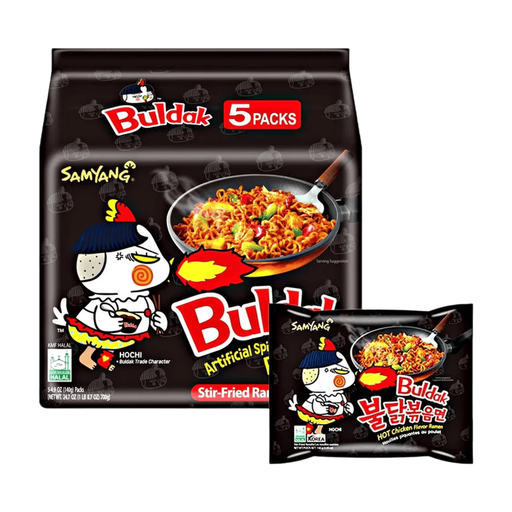
Why This Fits Their Persona: This is the go-to noodle for anyone in the UK looking to take on the viral "fire noodle challenge." It's not just spicy; it's known for a specific, intense heat combined with a savoury chicken flavour that has made it a global phenomenon.
It completely avoids the "flavour mismatch" trap. You know exactly what you are getting: extreme, consistent heat. The thick, chewy wheat noodles also prevent the "texture letdown," as they are designed to hold up to the thick sauce.
Delivers a specific and famously intense level of spice. The noodles have an excellent, robust chew that doesn't get mushy.

Why This Fits Their Persona: For busy families, students or anyone wanting to stock their pantry, a bulk box is ideal. Shin Ramyun is a crowd-pleasing choice with a satisfying savoury spice that isn't overwhelmingly hot, making it a versatile staple for quick meals.
This bulk box sidesteps the "value illusion." Each packet is a standard, substantial 120g serving, ensuring you get genuine value and a filling meal, unlike bulk boxes with smaller, less satisfying packets.
Excellent cost-per-serving for stocking up. The flavour is iconic and consistent, and the noodles are known for their good texture.
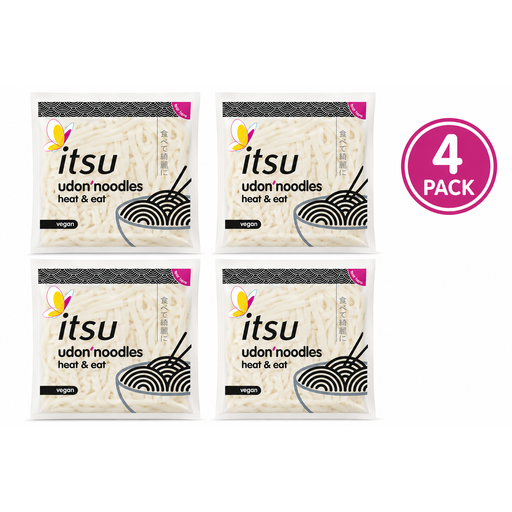
Why This Fits Their Persona: For the home cook who wants to create their own Japanese-inspired dishes without starting from scratch. These are pre-cooked udon noodles, offering a convenient base for homemade soups and stir-fries with a reliable, authentic texture.
This product directly solves the "texture letdown" problem. By providing pre-cooked, vacuum-sealed udon, it guarantees the thick, chewy texture that is essential for dishes like katsu curry or nabeyaki udon, which is hard to achieve with dried noodles.
Extremely convenient for home cooking—just add to a hot dish. Provides a consistent and satisfyingly thick, chewy udon texture.

Why This Fits Their Persona: This is for the foodie who loves trying the latest viral trends. Inspired by recipes that combine spicy Shin Ramyun with a creamy pasta-like sauce, "Toomba" ramen offers a rich, spicy and savoury stir-fry experience that's both comforting and exciting.
It avoids the "flavour mismatch" by being very specific about its unique profile. It's not just "creamy" or "spicy"—it's a fusion flavour that combines the well-known Shin Ramyun heat with a rich, savoury creaminess, setting a clear expectation for a modern, non-traditional taste.
A unique, on-trend flavour profile that combines spicy and creamy. The thick, chewy noodles are perfect for a stir-fry format.
We have compiled a complete, real-time list of products that fully satisfy these strict selection criteria and UK safety regulations.
1. How can I improve the taste of my instant ramen? A simple way to elevate any bowl of instant ramen is by adding fresh ingredients. A soft-boiled egg, some chopped spring onions, a slice of cheese or leftover cooked meat can add richness and texture. A dash of sesame oil or some toasted seaweed can also add a layer of authentic flavour.
2. What is the difference between ramen, udon, and pho noodles? The main difference is the base ingredient and texture. Ramen and udon are both Japanese wheat-based noodles, but ramen are thin and often wavy, while udon are very thick, soft and chewy. Pho noodles are Vietnamese rice-based noodles that are flat and delicate, perfect for soaking up aromatic broths.
3. Is it more cost-effective to buy multipack noodles? Generally, yes, but it's important to check the price per 100g. A large multipack can offer a lower cost per serving, making it a great choice for families or frequent noodle eaters. However, always compare the total weight and price against smaller packs to ensure you're getting a genuine deal and not falling for the "value illusion."