
24/7 Customer Support

Free returns

Same-day & Next-day Delivery

Quality Guaranteed

Unlock Your Welcome Offers: FREE Delivery | Up to 80% OFF | Free 30-day JoyPlus trial
Download the APP
Cooking Asian-inspired meals at home can be convenient when the right sauces and seasonings are within reach. However, choosing between Japanese sauces, Chinese sauces, Korean sauces and Thai sauces is not simply a matter of picking the largest bottle or the most familiar label. Flavour strength, dilution, allergens, storage and intended use all affect whether a product earns a regular place in your kitchen.
This guide from the Joybuy Product Recommendation Officer explains the key details to check before buying, then matches selected products to different UK home-cooking needs.
Some products are designed to be diluted, while others can be poured directly over food. A Japanese soup stock such as Hon Tsuyu may require two to four parts water, whereas a ready-to-use yakisoba sauce is intended to go straight into the pan. Using a concentrate without dilution can make a dish excessively salty or overpowering.
Always check the preparation instructions before comparing bottle sizes or calculating value.
The term light soy sauce generally refers to colour and flavour style rather than reduced sodium. It is commonly used to season stir-fries, soups, marinades and dipping sauces while keeping ingredients relatively pale. However, the listed salt content can still be high.
For example, Maggi Light Soy Sauce lists 14.39g of salt per 100ml, while Healthy Boy Thin Soy Sauce lists 22.6g per 100g. Use small amounts and taste before adding extra salt.
Many Asian sauces contain soybeans and wheat, making them unsuitable for people with soya allergies, wheat allergies or coeliac disease. Fish sauce and fish-based soup stock are not suitable for vegan or vegetarian diets, while oyster sauce contains molluscs.
Ingredients can also include sesame, peanuts, alcohol, celery or gluten-containing cereals. Check the current bottle label rather than relying only on recipe descriptions or product photography.
Choose the product according to the dish you intend to prepare:
A purpose-made sauce can reduce the need to balance several ingredients, while a plain soy sauce offers more flexibility for everyday cooking.
A 185g bottle of 3x concentrated yuzu mentsuyu may go further than its size suggests because it is diluted before use. Conversely, a ready-to-use sauce may be easier for occasional cooks but used more quickly.
For regular stir-fries or family meals, larger formats such as 500ml to 700ml may offer practical convenience. Smaller bottles and tubs can be more suitable when trying an unfamiliar flavour or cooking for one or two people.
Look for clear information about:
For example, Kikkoman Organic Soy Sauce contains four listed ingredients—water, organic soybeans, organic wheat and salt—and is suitable for vegetarian and vegan diets. It is not suitable for people avoiding soya or gluten.
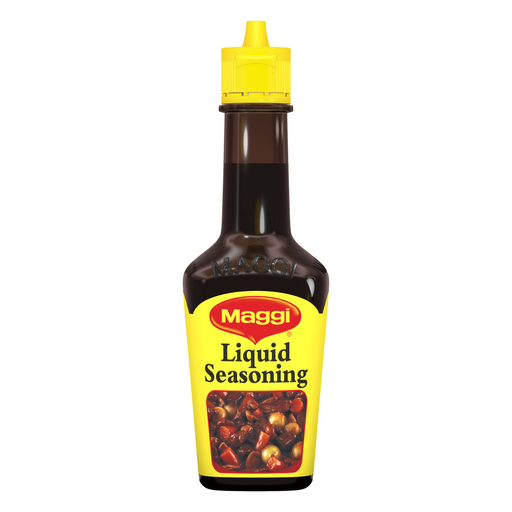
Why This Fits Their Persona: A compact option for UK cooks who want to add savoury depth to soups, casseroles, stir-fries and sauces without buying several specialised bottles.
It is used drop by drop, helping beginners control intensity instead of over-pouring a concentrated seasoning.
Suitable for vegetarians; 100ml format; contains wheat, so check the label if avoiding gluten.
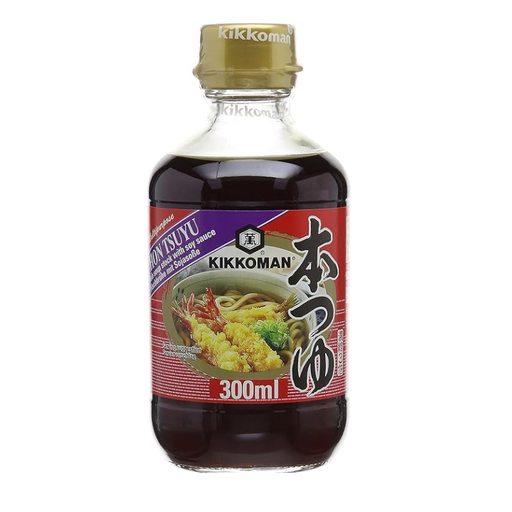
Why This Fits Their Persona: Useful for cooks preparing Japanese noodle broths, hot pots, dipping sauces and soups who want a multi-purpose stock concentrate.
The dilution guidance is clear: mix one part stock with two to four parts water, depending on taste and recipe.
Contains fish, soybeans and wheat; no added preservatives listed; made in Japan; refrigerate after opening.

Why This Fits Their Persona: A practical choice for preparing Japanese stir-fried noodles at home, particularly for quick weekday meals and family portions.
It is a ready-to-use cooking sauce, so there is no separate stock, sweetener or seasoning blend to measure.
300g bottle; made in Japan; suitable for yakisoba noodles, vegetables and protein; refrigerate after opening.
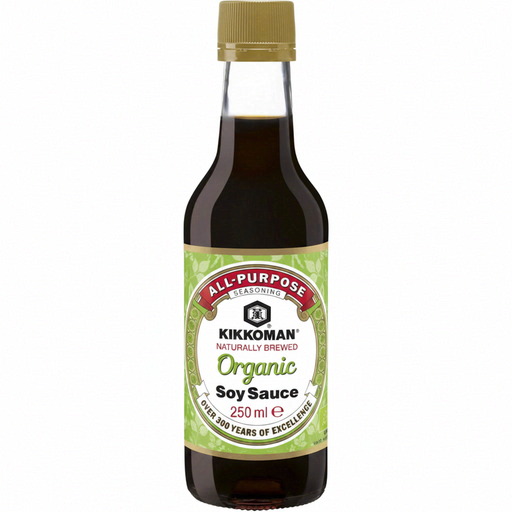
Why This Fits Their Persona: Suitable for vegan and vegetarian shoppers seeking a straightforward soy sauce for noodles, rice, vegetables, dips and marinades.
The ingredient list is concise, making it easier to identify the primary allergens and confirm dietary suitability.
Organic soybeans and wheat; suitable for vegan and vegetarian diets; contains gluten and soy; 250ml bottle.
Other useful choices include Thai Taste Fish Sauce 200ml for Thai curries and nam pla prik, Daisho Mentsuyu Noodle Dipping Sauce Yuzu Flavor 185g for citrus-led noodle dipping sauce and LEE KUM KEE Chilli Bean Sauce (Toban Djan) 368g for Sichuan-style stir-fries.
For Korean meals, O’Food Mild Seasoned Soybean Paste (Ssamjang) 170g can be served with lettuce wraps or grilled food. Chinese cooking can benefit from HADAY Superior Light Soy Sauce 500ml or HADAY Superior Taste Oyster Sauce 680g. Japanese barbecue and fried dishes are covered by Daisho Wasabi Yakiniku BBQ Sauce, Otafuku Japanese Tonkatsu Sauce and Daisho Sukiyaki Sauce.
We have compiled a complete, real-time list of products that fully satisfy these strict selection criteria and UK safety regulations.
A versatile light soy sauce or general liquid seasoning is a practical starting point for stir-fries, soups, rice and dipping sauces. If you mainly prepare Japanese noodles, a concentrated mentsuyu or Hon Tsuyu may be more suitable. Check whether dilution is required.
Storage varies. Many products can remain in a cool, dry cupboard while sealed, but sauces such as Hon Tsuyu, mentsuyu, yakisoba sauce, oyster sauce and several Japanese condiments advise refrigeration after opening. Follow the bottle label and use within the stated period.
Not automatically. Fish sauce, fish-based soup stock and oyster sauce contain animal-derived ingredients. Soy sauces may be suitable, but some contain wheat and recipes can vary. Look for a clear vegetarian or vegan statement and check the allergen information before purchase.