
24/7 Customer Support

Free returns

Same-day & Next-day Delivery

Quality Guaranteed

Unlock Your Welcome Offers: FREE Delivery | Up to 80% OFF | Free 30-day JoyPlus trial
Download the APP
Navigating the world of Asian sauces can feel overwhelming. You see shelves lined with bottles promising authentic flavour, but bringing them home often leads to disappointment. As a Joybuy Product Recommendation Officer, my role is to help you see past the marketing and choose the right condiments for your kitchen. Many home cooks in the UK find their homemade stir-fries or noodles lack that restaurant-quality taste, and the sauce is often the culprit.
Let's look at the common pitfalls that can lead to a flavourless meal and a wasted bottle in the back of the cupboard.
To avoid these issues, focus on a few key details that separate a high-quality sauce from a disappointing one. This will help you find the perfect stir-fry sauce, dipping sauce, or marinade for your needs.
The order of ingredients matters. For a rich and savoury sauce, you want to see core components like fermented soybeans, real chillies, or specific spices listed near the top. For example, a quality gochujang (a staple in Korean sauces) should have fermented soybean paste and red pepper powder as primary ingredients. Similarly, authentic Chinese cooking sauces like char siu sauce will feature fermented bean paste or honey high on the list. The country of origin can also be an indicator of a more traditional flavour profile.
Sauces are created for specific purposes, which affects their consistency and flavour concentration. Understanding the difference is crucial for achieving the right texture and taste.
Thai sweet chilli sauce is a perfect example.Char siu sauce is a classic glazing sauce.Look beyond simple descriptions like "sweet" or "spicy." A good product description will mention the flavour complexity. Does it have umami (a savoury depth from fermented ingredients), a tangy kick from vinegar, or a smoky note from specific peppers or spices? For instance, a sweet and sour sauce should have a clear balance of both, often with a fruity element like pineapple. This level of detail helps you pair the sauce correctly with your dish.
To make your choice easier, here are a few recommendations matched to different cooking styles and needs.
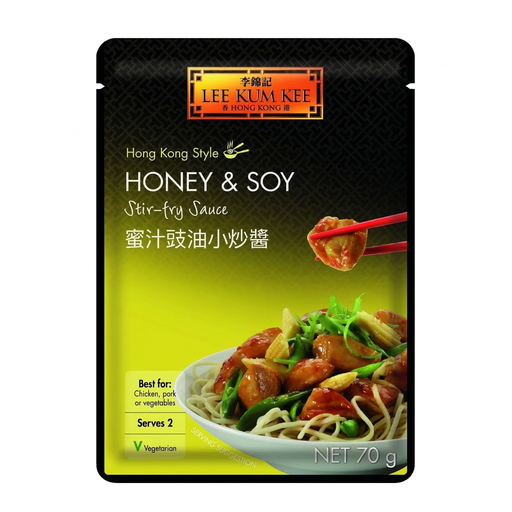
Why This Fits Their Persona: This is the perfect solution for anyone short on time who doesn't want to compromise on flavour. It takes the guesswork out of creating a delicious stir-fry after a long day at work.
It's specifically designed for stir-frying, avoiding the "all-purpose" trap. The flavour is a balanced blend of sweet honey and savoury soy, not just a sugary liquid.
The 70g single-use pouch is perfectly portioned for one meal, ensuring maximum freshness and no half-used bottles cluttering the fridge.
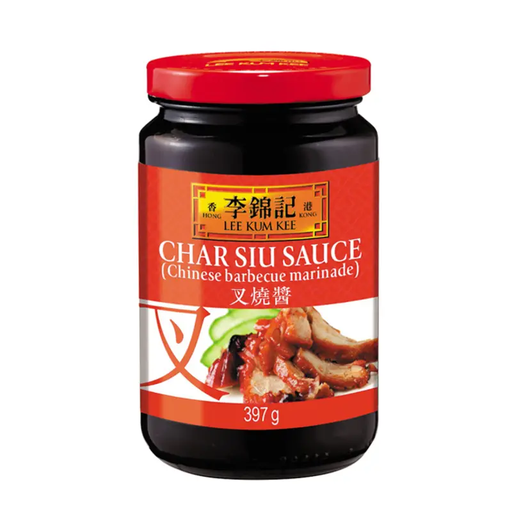
Why This Fits Their Persona: For those who want to recreate a specific, iconic dish like Cantonese BBQ pork, this sauce provides the authentic flavour base needed for restaurant-quality results at home.
This is a highly specialised sauce, not a generic marinade. Its ingredients, including fermented bean paste and honey, deliver a complex sweet and savoury profile, not just sugar.
It serves as both a marinade and a glaze, simplifying the cooking process while creating the signature sticky texture and reddish colour of authentic char siu.
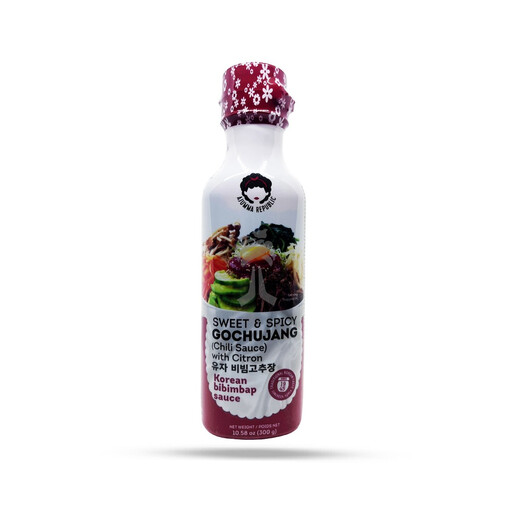
Why This Fits Their Persona: Ideal for anyone exploring Korean cuisine, this sauce offers a unique twist on traditional gochujang. It's versatile enough for bibimbap, marinades, or as a dipping sauce with a distinctive character.
Made in Korea, it provides a genuine flavour base. The addition of citron marmalade provides a complex, tangy sweetness that goes far beyond a simple chilli sauce, avoiding the one-dimensional flavour pitfall.
The harmonious blend of spicy chilli and fragrant citron creates a rich umami profile that is sweet, tangy and spicy all at once, adding depth to any dish.
We have compiled a complete, real-time list of products that fully satisfy these strict selection criteria and UK safety regulations.
Most shelf-stable Asian sauces, especially those high in salt, sugar or vinegar, can last for several months in the refrigerator after opening. However, it's always important to check the packaging for specific storage instructions. Sauces with fresh ingredients or lower preservative levels may have a shorter shelf life. For the best flavour, try to use them within the period recommended by the manufacturer, which is often between 4 to 12 weeks.
While you can, it may not produce the intended results. Dipping sauces are formulated to be palatable on their own and are often thicker and sweeter. Using a large amount as a marinade could result in an overly sweet or burnt exterior when cooked, without the flavour penetrating deeply into the meat. It's generally better to use products as intended for a more balanced and flavourful dish.
While both cuisines feature spicy flavours, the sources of heat and complexity differ. Many popular Chinese spicy sauces, like those from Sichuan, often use ingredients like fermented broad beans (doubanjiang) and Sichuan peppercorns, which provide a savoury, numbing heat (mala). Korean spicy sauces, on the other hand, are frequently based on gochujang (fermented chilli paste) or gochugaru (chilli powder), which offer a deep, slightly sweet and lingering heat.