
24/7 Customer Support

Free returns

Same-day & Next-day Delivery

Quality Guaranteed
Download the APP
Categories
Staring at a shelf of translucent, wiry noodles and wondering which packet is right for your Vietnamese pho, Korean japchae or simple weeknight stir-fry? You are not alone. The world of Asian vermicelli noodles is wonderfully diverse, but choosing the correct type can feel daunting. From delicate rice threads to chewy, springy strands, the right noodle is the foundation of an authentic and delicious dish.
This guide is designed to help you navigate the options. We will break down the key differences between popular vermicelli types and offer some practical advice, helping you select the perfect noodle for your next culinary adventure.
Before you add a packet to your basket, consider these key points. Matching the noodle to your recipe is crucial for achieving the right texture and flavour absorption.
Different vermicelli noodles are crafted for different culinary purposes. Their core ingredient dictates their texture and how they behave when cooked.
For many, vermicelli is a fantastic pantry staple because it is often naturally free from common allergens. Most traditional Asian vermicelli noodles are gluten free noodles, as they are made from rice, mung bean or sweet potato starch instead of wheat. This makes them an excellent choice for individuals with coeliac disease or gluten sensitivity. However, it is always wise to check the packaging for ingredient lists and any "may contain" warnings regarding cross-contamination, especially if you have a severe allergy.
Noodle thickness, often indicated in millimetres (mm) on the packet, directly impacts cooking time and final texture. Thinner noodles (around 1mm) cook in minutes and are perfect for light soups and salads. Thicker strands (2mm or more) require a longer boiling time and offer a more substantial, chewy texture suitable for robust stir-fries where they will not break apart.
As a Joybuy Product Recommendation Officer, my role is to sift through the market and highlight products that offer great utility and authentic flavour for your home cooking. Here are three distinct vermicelli options for your consideration.
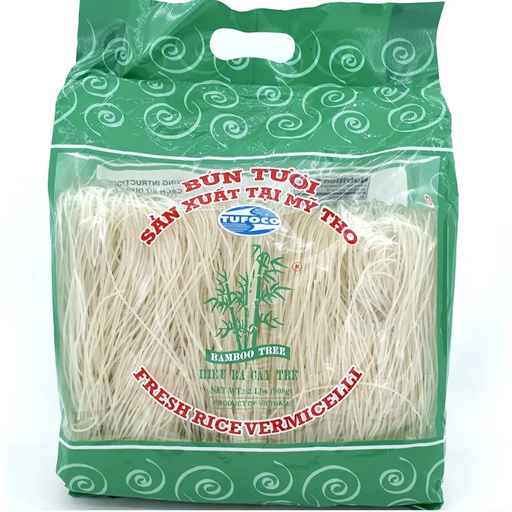
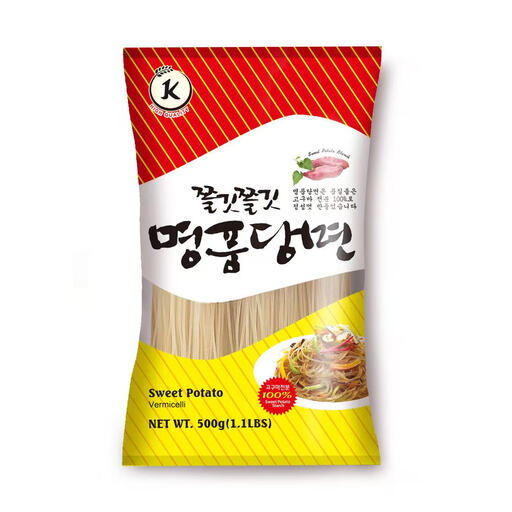
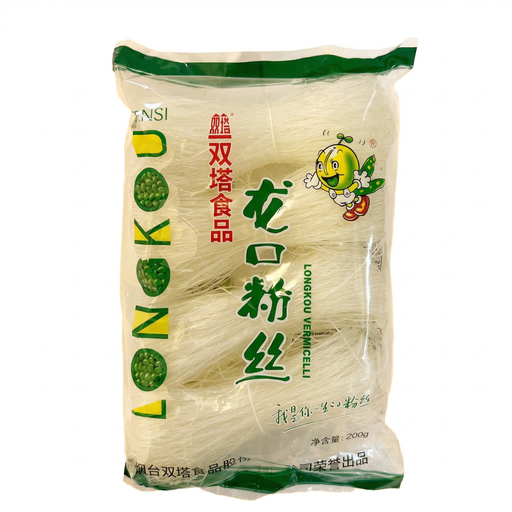
If these specific noodles do not quite match your recipe's needs, or if you would like to explore an even wider variety of ingredients and thicknesses, we have more to see.
️ Browse our full collection of Vermicelli Noodles to find the perfect foundation for your next meal.
1. What is the difference between rice vermicelli and glass noodles? The primary difference is the core ingredient. Rice vermicelli is made from rice flour, which results in an opaque white noodle with a soft texture. Glass noodles (or cellophane noodles) are made from other starches, most commonly mung bean or sweet potato. They become transparent, or "glass-like," when cooked and typically have a springier, more elastic texture.
2. Are all Asian vermicelli noodles gluten-free? Most are, as they are not made from wheat. Noodles made from 100% rice, mung bean or sweet potato starch are naturally gluten-free. However, it is always best practice to read the ingredient label carefully, especially if you have a severe allergy, to check for any potential cross-contamination warnings from shared facilities.
3. How do I prevent my vermicelli noodles from sticking together? The key is to rinse them immediately after cooking. Once the noodles have reached your desired tenderness, drain them in a colander and rinse thoroughly under cold running water. This crucial step washes away excess surface starch and stops the cooking process, preventing the strands from clumping into a sticky mass. For stir-fries, tossing the rinsed noodles with a small amount of oil (like sesame or a neutral vegetable oil) can also help keep them separated.