
24/7 Customer Support

Free returns

Same-day & Next-day Delivery

Quality Guaranteed

Unlock Your Welcome Offers: FREE Delivery | Up to 80% OFF | Free 30-day JoyPlus trial
Download the APP
As a Product Recommendation Officer at Joybuy, I often speak with UK cat owners who are tired of the daily scoop. The promise of an automatic self cleaning cat litter box is alluring: a fresh home, a happy cat and one less chore on your list. However, the market is filled with high-tech promises, and it's easy to invest in a device that doesn't live up to the hype.
Before you make a purchase, it's crucial to understand the common pitfalls that can lead to buyer's remorse. Many find their expensive new gadget is either too small, too noisy or locks them into costly, proprietary consumables. Let's cut through the clutter and focus on what truly matters.
To ensure you choose a reliable and effective device, focus on these three core parameters. They are the true indicators of a quality robotic litter box.
This is the most critical aspect. Your cat's safety is paramount, and a well-engineered machine will have multiple redundant safety features. Look for a combination of the following:
The way the machine cleans and the type of litter it requires will define your day-to-day experience. Most automatic litter boxes use a rotating drum system that sifts clumps from clean litter. The key is to check for compatibility. A flexible device will work with various types of clumping litter, such as bentonite, tofu or mixed-material litters. This gives you the freedom to choose a litter that works for your cat and your budget, avoiding the trap of expensive, proprietary refills.
A truly smart cat litter box offers more than just automated cleaning. An app controlled litter tray provides significant practical benefits. Through a stable 2.4GHz Wi-Fi connection, you can initiate cleaning cycles remotely, receive notifications when the waste bin is full and, most importantly, engage in cat health monitoring. Advanced models can track your cat's weight, the frequency of their visits and the duration they spend in the box. The app can generate reports that may help you spot early changes in urinary habits, which can be an indicator of potential health issues.
We've analysed the specifications of several models to match them with distinct user needs. Instead of a one-size-fits-all approach, here are our recommendations based on specific lifestyles and priorities.
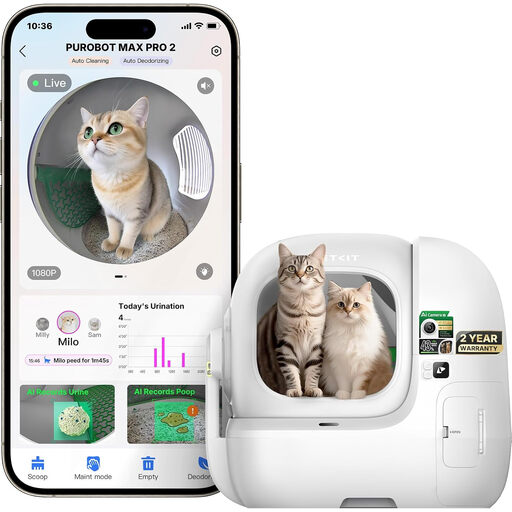
Why This Fits Their Persona: This user wants data-driven insights into their pet's wellbeing. The integrated AI camera and health monitoring system, which tracks weight, frequency and duration, provides peace of mind and actionable information via the app.
It features an open-ended design with a wide entrance, making it suitable for cats of various sizes and temperaments, thus avoiding the "one-size-fits-all" flaw.
The combination of an AI camera for real-time monitoring and detailed health reports offers a level of insight not found in many other models. It also has a multi-layer safety system with infrared sensors and anti-pinch protection.
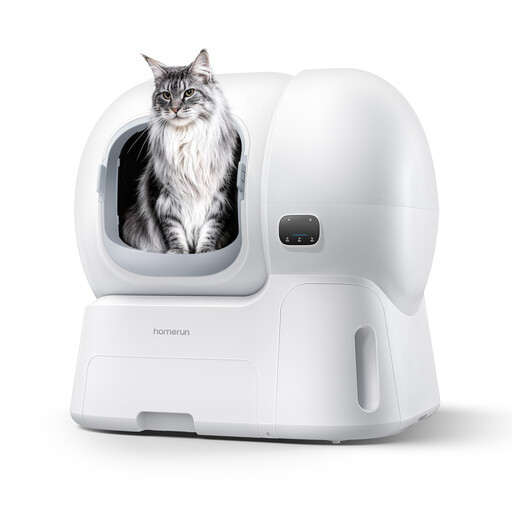
Why This Fits Their Persona: For homes with multiple cats or large breeds, capacity is key. This model is designed for heavy use, with a very large interior and an 8L waste compartment, reducing the frequency of emptying and maintenance.
Its extra-large capacity (suitable for cats up to 11.3kg) directly solves the "one-size-fits-all" problem for owners of large cats, providing ample space and robust performance for a *litter box for multiple cats*.
The standout feature is its sheer volume and an automatic litter replenishment system. A single refill can last up to 14 days, making it a low-maintenance solution for busy, multi-cat environments.
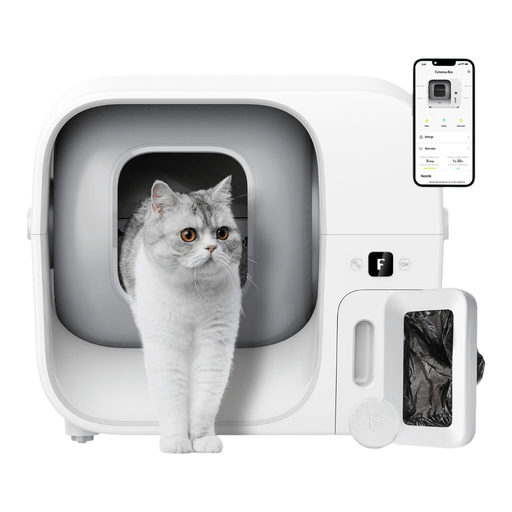
Why This Fits Their Persona: This user is a busy professional or frequent traveller who wants to eliminate the litter chore entirely. The main appeal is the "hands-off" experience, especially the task of changing the waste bag.
It tackles the "overstated odour-free" claim head-on. By automatically packing and sealing the waste bag, it physically contains odours far more effectively than a simple filter or unsealed lid ever could.
The unique self-packing and sealing function is a game-changer for hygiene and convenience. It also features a comprehensive safety system and app control for remote monitoring and management.
We have compiled a complete, real-time list of products that fully satisfy these strict selection criteria and UK safety regulations.
The running cost depends on three factors: litter, waste bags and electricity. To keep costs down, choose a model compatible with standard clumping litters rather than proprietary ones. Most devices are compatible with regular small bin liners. Electricity consumption is generally very low, similar to a small smart home device, as the motor only runs for a few minutes each day.
This is a common concern. Most cats adapt well, but some may need a transition period. To help your cat acclimatise, place the new unit in the same location as their old litter tray. Initially, leave it unplugged and off so they can explore it without any sudden movements. You can also add a scoop of their old, used litter to the new box to transfer their scent and make it feel more familiar.
Generally, these devices are not recommended for very young or small kittens. The safety systems rely on weight sensors to detect the cat's presence, and most have a minimum weight threshold of around 1.5 kg to 2 kg. If a kitten is lighter than this, the machine may not detect them, posing a potential safety risk. Always check the manufacturer's specifications for minimum pet weight before purchasing for a kitten.