
24/7 Customer Support

Free returns

Same-day & Next-day Delivery

Quality Guaranteed

Unlock Your Welcome Offers: FREE Delivery | Up to 80% OFF | Free 30-day JoyPlus trial
Download the APP
Keeping your baby’s feeding equipment scrupulously clean is a top priority for any parent. Milk residue can cling to the bottom and corners of bottles, creating a breeding ground for bacteria. A standard washing-up brush often can't reach these tricky spots, which is why a dedicated baby bottle brush is one of the most important baby cleaning essentials.
But with so many options available—from different materials to all-in-one travel kits—choosing the right one can feel overwhelming. This guide is designed to help you understand the key features to look for, so you can find a practical and hygienic solution that fits your family’s needs.
Before you add a brush to your basket, consider these three points. They will help you narrow down the options and select a tool that is safe, effective and convenient for your daily routine.
The material of the brush head is one of the most significant factors. The two most common types are silicone and nylon.
Whichever material you lean towards, always ensure the product is advertised as BPA-free to meet safety standards for items that come into contact with your baby's feeding equipment.
Consider what and where you will be cleaning. A simple bottle and teat brush combination is a staple for home use, with a smaller, integrated brush designed specifically for cleaning inside bottle teats.
For parents on the move, a travel bottle brush set is incredibly useful. These compact kits often include multiple brushes, a small soap dispenser and even a drying rack, all packed into a neat case.
Beyond bottles, you might also be looking for other grooming tools. A gentle baby hair brush or a specialised cradle cap brush can be invaluable for scalp care, forming part of a complete newborn grooming kit.
Thoughtful design features can make the cleaning process much easier and more hygienic. Look for brushes with non-slip handles that are comfortable to hold when wet. Some models feature a suction base that allows the brush to stand upright on the countertop, promoting faster air-drying and keeping the bristles away from germs. A well-designed brush should be easy to rinse clean and have good ventilation to prevent moisture and mould from building up.
Here are a few standout options that cater to different needs, from daily cleaning to newborn scalp care.
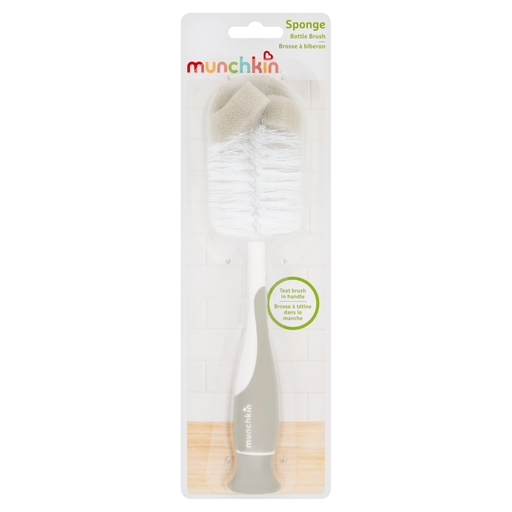
Why It Stands Out: This brush is a practical workhorse for daily bottle cleaning. Its 2-in-1 design features durable nylon bristles for the main bottle and a separate soft rubber teat brush conveniently stored in the handle. The sponge tip helps tackle the hard-to-reach base of the bottle, while the stand-up base keeps the brush head clean and dry between uses.
Pros:
Who is it for? Parents looking for a reliable, no-fuss baby bottle brush for everyday use at home.

Why It Stands Out: This is a complete cleaning station in a compact case. The travel bottle brush set includes a silicone bottle brush, a nipple brush and a straw cleaner, plus a soap dispenser and a foldable drying rack. It’s an excellent solution for maintaining hygiene while travelling, visiting family, or simply keeping your changing bag organised.
Pros:
Who is it for? Parents who are frequently on the go or anyone looking for a highly organised, all-in-one cleaning system.
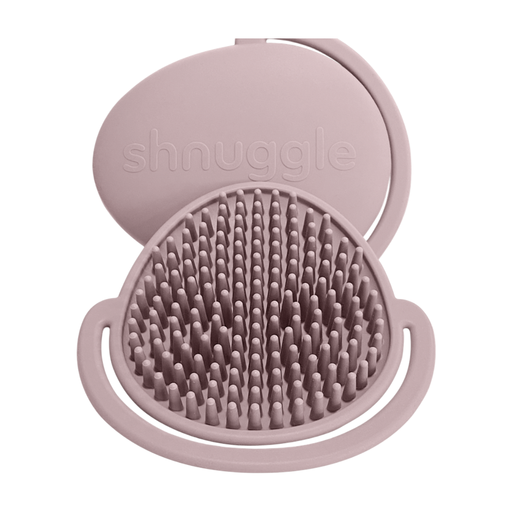
Why It Stands Out: While not a bottle brush, this tool addresses another common concern for new parents: cradle cap. This cradle cap brush is made from super-soft, food-grade silicone and is designed to gently massage a baby’s scalp during bath time. It helps to loosen dry skin flakes and can also be used as a gentle baby hair brush. Its ergonomic design fits comfortably in the palm of your hand.
Pros:
Who is it for? Parents looking for a gentle grooming tool for their newborn’s bath time routine, particularly for scalp care.
Every family's routine is unique, and the right cleaning tool can make a world of difference. If you haven't found the perfect fit here or want to see more specialised designs, there are many other styles to consider.
Explore our full collection of soft bristle cleaning brushes to find the ideal match for your baby care needs.
1. How often should you replace a baby bottle brush? It is generally recommended to replace brushes with nylon bristles and sponges every 30-45 days, or sooner if they show signs of wear and tear like bent or matted bristles. A silicone bottle brush is more durable and can last longer, but you should still inspect it regularly for any damage and replace it if needed.
2. Can I use a regular washing-up brush for baby bottles? It is not advisable. Regular brushes may be too harsh and can scratch bottles, creating places for bacteria to grow. Furthermore, they are not designed to fit into the narrow necks of bottles or clean small parts like teats effectively. Using a dedicated baby bottle brush also helps prevent cross-contamination from other dishes.
3. What is the most hygienic type of bottle brush? Many parents find that a silicone bottle brush is a highly hygienic option. The non-porous material resists bacteria build-up, is simple to rinse clean and can often be sterilised with boiling water for a thorough clean. This makes it a popular choice for health-conscious families.