
24/7 Customer Support

Free returns

Same-day & Next-day Delivery

Quality Guaranteed

Unlock Your Welcome Offers: FREE Delivery | Up to 80% OFF | Free 30-day JoyPlus trial
Download the APP
As a Joybuy Product Recommendation Officer, my role is to help you navigate the crowded market of baby products. Choosing the right baby bottles can feel overwhelming, with countless brands all promising a perfect feed. However, many new parents find themselves with a cupboard full of bottles their baby refuses, or that are simply impractical for daily life. Before you buy, let's look at the common pitfalls that can lead to wasted money and frustration.
To make an informed choice, focus on these essential parameters rather than just marketing slogans.
Your baby's safety is the priority. Always ensure any bottle you consider is explicitly labelled as BPA-free. Bisphenol-A (BPA) is a chemical that was previously used in some plastics, and UK regulations are very strict about its exclusion from baby feeding products. Look for bottles made from polypropylene (PP) or high-grade silicone, which are durable, safe and free from BPA, BPS and Phthalates. This is a non-negotiable baseline for any newborn feeding bottles.
Understanding how a bottle reduces air intake can help you choose the right type for your baby's needs. There are generally two main systems:
The teat is the most critical point of contact for your baby.
Based on these practical considerations, here are a few options matched to different parenting needs.

Why This Fits Their Persona: For busy UK parents, convenience is paramount. This bottle's standout feature is its ability to self-sterilise in the microwave in just three minutes, eliminating the need for a separate, bulky steriliser and saving valuable time and counter space.
It directly counters the "high-maintenance cleaning" pitfall. The parts are easy to disassemble, and the integrated sterilising function simplifies one of the most repetitive tasks of infant care.
Features a vented base for an even drinking flow to reduce colic and a SkinSoft silicone teat with a high acceptance rate (94% according to MAM's market research).
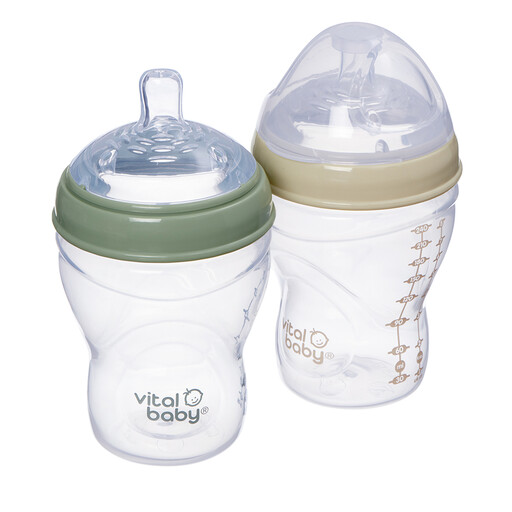
Why This Fits Their Persona: This bottle is designed specifically for parents navigating the transition between breast and bottle. Its primary focus is on mimicking the natural feeding experience to reduce the chances of the baby rejecting the bottle.
It tackles the "teat rejection" pitfall head-on. The FlexZone technology allows the teat to stretch and flex like a mother's breast, which can be crucial for babies who are sensitive to the feel of a standard silicone teat.
Features an advanced triple anti-colic valve system to reduce air intake. It also offers a self-sterilising function and is made with EarthSmart technology, so the bottle body is designed to biodegrade in landfill.
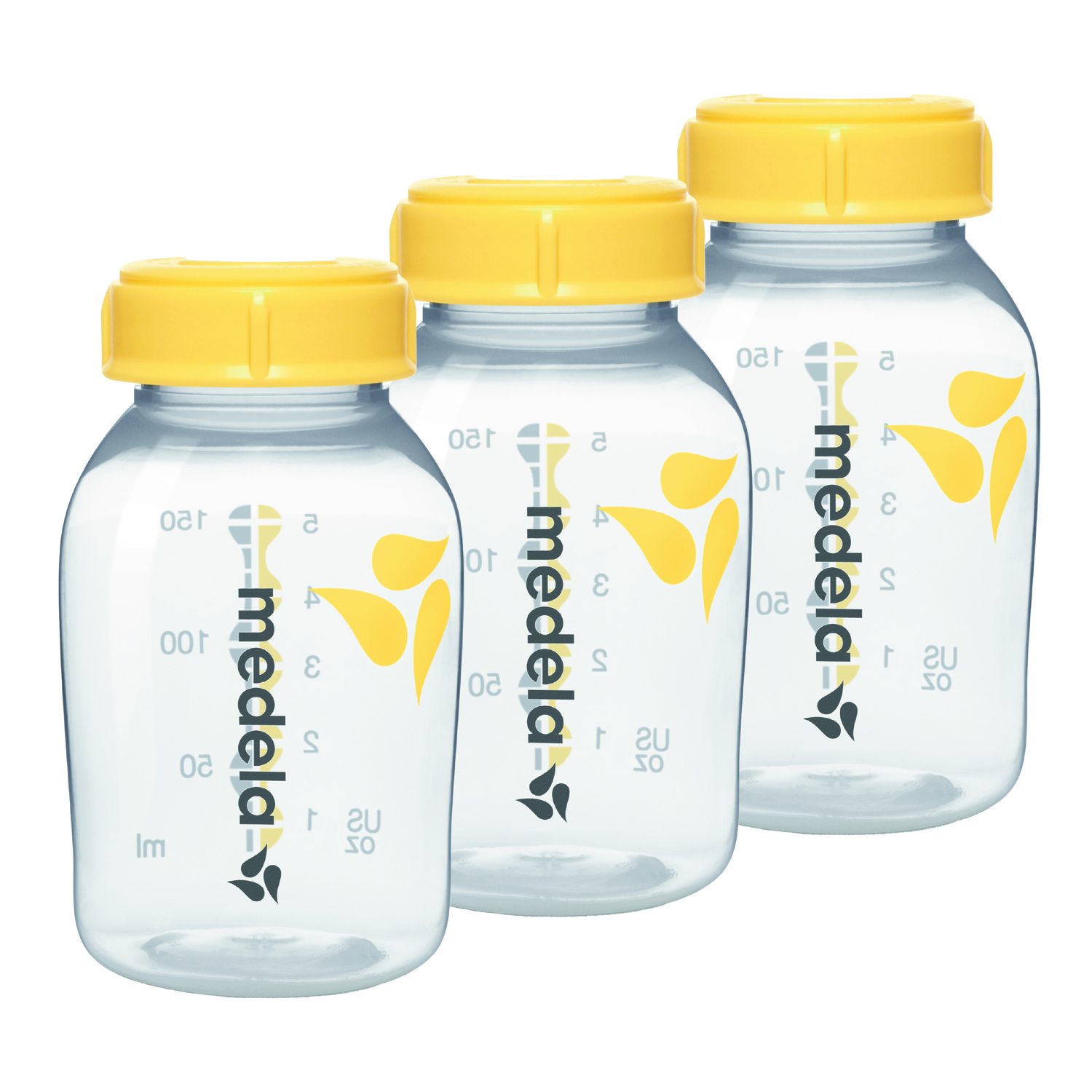
Why This Fits Their Persona: This is for the parent who uses a breast pump and needs an efficient, integrated system. These bottles allow you to pump, store and feed from the same container, minimising milk transfer and reducing washing up.
It prevents the pitfall of buying incompatible components. By sticking within a single brand's ecosystem (Medela), parents can be confident that their pump, storage containers and teats will all work together seamlessly.
These are specifically designed as breast milk storage bottles. They are freezer-safe, have clear volume markings for accurate tracking, and feature a secure leak-proof lid for safe storage and travel.
We have compiled a complete, real-time list of products that fully satisfy these strict selection criteria and UK safety regulations.
For both safety and hygiene, it is recommended to inspect teats before every use for signs of wear, such as thinning, tackiness or cracks. As a general rule, teats should be replaced every 1-2 months, even if they show no visible signs of damage.
Many modern BPA-free baby bottles are listed as top-rack dishwasher safe. However, the high temperatures and harsh detergents can sometimes cause the plastic to cloud or the measurement markings to fade over time. Hand-washing with a dedicated baby bottle drying rack and brush, like the Munchkin Sponge Bottle Brush, is often the most reliable method for thorough cleaning and longevity. Always check the manufacturer's specific instructions.
'BPA-free' means the plastic used to make the bottle does not contain Bisphenol-A, an industrial chemical. In the past, it was used to make certain plastics and resins. Due to health concerns, particularly for infants and children, its use in baby bottles and sippy cups is banned in the UK and EU. Choosing BPA-free products ensures the container used for your baby's milk meets current safety standards.