
24/7 Customer Support

Free returns

Same-day & Next-day Delivery

Quality Guaranteed

Unlock Your Welcome Offers: FREE Delivery | Up to 80% OFF | Free 30-day JoyPlus trial
Download the APP
Keeping your baby close provides comfort and strengthens your bond, but daily life still requires you to have your hands free. A baby carrier is a practical solution, offering mobility and closeness in one. However, with so many styles and features available, finding the right one can feel overwhelming.
This guide is designed to cut through the clutter. We will walk you through key considerations for choosing a carrier and present a few carefully selected options to help you find a safe, comfortable and practical fit for your family.
Making an informed choice is about matching a carrier's features to your lifestyle and your baby's developmental stage. Here are three key points to consider.
An ergonomic baby carrier is designed to support your baby’s natural posture. For healthy hip and spine development, look for a carrier that allows your baby to sit in the ‘M’ position, where their knees are positioned slightly higher than their bottom and their legs are supported from knee to knee. This is particularly important when choosing a newborn baby carrier, as their bodies require optimal support during the first few months. A well-designed carrier will support the natural C-shaped curve of your baby's spine.
Babies grow quickly, so think about how long you plan to use the carrier. Some are designed specifically for the newborn phase, while others adjust to become a baby carrier for toddlers. Check the minimum and maximum weight limits to ensure the carrier offers good value over time.
Also, consider the carrying positions offered. A carrier that allows for an inward-facing position is ideal for newborns, while a front facing baby carrier can be a great option for older, more curious babies (typically from 4-6 months) who have strong head and neck control and want to see the world.
Your comfort is just as important as your baby's. A hands-free baby carrier should not cause strain on your back or shoulders. Look for features like wide, padded shoulder straps and a supportive waistband. A baby carrier with lumbar support can make a significant difference in distributing your baby's weight evenly, allowing you to carry them for longer periods without discomfort. Adjustable straps are also essential to ensure a snug and secure fit for different body types.
Based on features that prioritise safety, comfort and practicality, here are our recommendations.
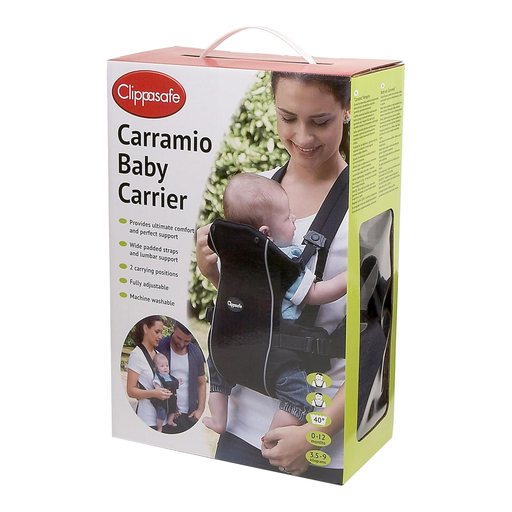
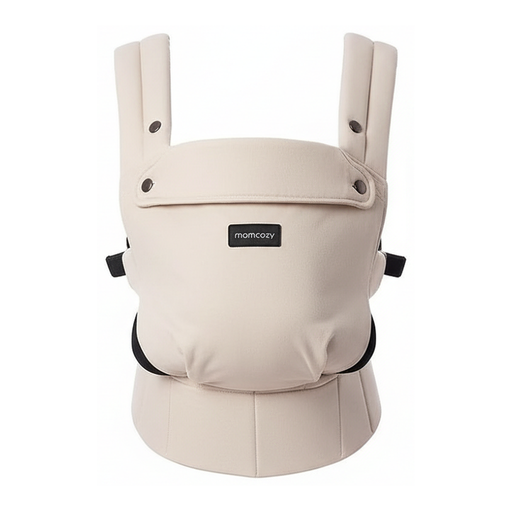
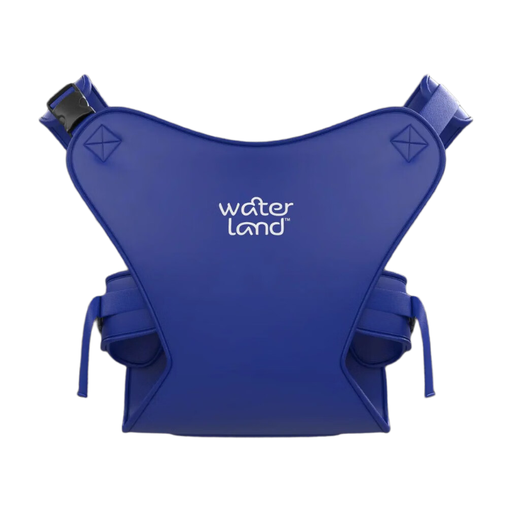
Every family's needs are unique and the perfect carrier for you might be a different style altogether. If you are interested in exploring other designs, such as soft wraps or traditional slings, we have a wider collection available.
For a broader selection, explore our full range of baby carrier slings.
1. At what age can I start using a baby carrier? Most structured carriers are suitable from birth, provided your baby meets the minimum weight requirement (typically around 3.5 kg or 7.7 lbs). Always check the manufacturer's guidelines. For newborns, it is vital to choose a carrier that provides adequate head and neck support, such as a dedicated newborn baby carrier or one with an infant insert.
2. Is a front facing baby carrier safe for my baby? Yes, provided your baby is ready. This position is generally recommended for babies around 4-6 months old who have excellent head and neck control and are tall enough for their chin to clear the top of the carrier. Ensure the carrier still supports an ergonomic seated position, rather than leaving their legs to dangle.
3. How do I ensure my baby is positioned correctly in the carrier? A good rule of thumb is to follow the T.I.C.K.S. checklist for safe babywearing: