
24/7 Customer Support

Free returns

Same-day & Next-day Delivery

Quality Guaranteed

Unlock Your Welcome Offers: FREE Delivery | Up to 80% OFF | Free 30-day JoyPlus trial
Download the APP
Keeping your baby close while navigating daily life is a balancing act familiar to every parent. Whether you are doing the weekly shop, enjoying a walk in the park or simply trying to get things done around the house, a good baby carrier can be an invaluable tool. It offers a hands-free solution that promotes bonding and provides comfort for your little one.
However, the market is filled with options, and choosing the right one can feel overwhelming. This guide is designed to cut through the clutter, offering practical advice to help you find a carrier that suits your baby's developmental stage, your lifestyle and your comfort. As your Joybuy Product Recommendation Officer, I've filtered the information to help you make a confident choice for your family.
Before looking at specific models, it helps to understand the key features that make a carrier both safe and comfortable. Focusing on these three points will ensure you select a product that serves you and your baby well.
One of the most critical factors is how the carrier supports your baby's growing body. An ergonomic baby carrier is designed to hold your baby in a natural, healthy posture. Look for carriers that support the "M-position" or "froggy" stance, where your baby's knees are positioned slightly higher than their bottom. This posture supports healthy hip development and is recognised as important by organisations like the International Hip Dysplasia Institute. The carrier should also provide adequate support for your baby's spine, allowing it to maintain its natural C-shaped curve.
A carrier that isn't comfortable for you won't be used often. A baby carrier with lumbar support can make a significant difference, especially as your baby gets heavier. Features like a wide, padded waistband help to distribute weight from your shoulders to your hips, reducing back and shoulder strain. Similarly, thickly padded shoulder straps prevent digging and chafing. For the baby, look for soft fabrics and padded leg openings to ensure they remain comfortable, even during longer periods of wear.
The right carrier for a family that enjoys coastal holidays will be different from one needed for daily urban errands. Consider when and where you will use it most. A lightweight baby carrier made from breathable mesh is ideal for summer or for parents who tend to run warm. If you are an adventurous family, a versatile model made from quick-drying material like neoprene could be a practical choice. Many modern carriers are designed as a newborn to toddler carrier, offering adjustable settings that grow with your child, providing excellent long-term value.
Based on features that prioritise safety, comfort and practicality, here are our recommendations for 2026.
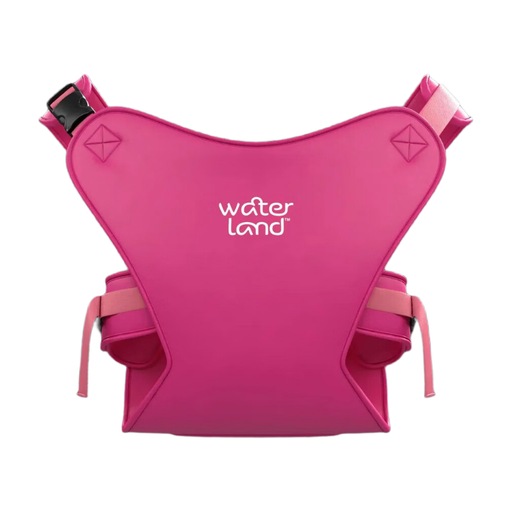
Why It Stands Out: This carrier’s standout feature is its versatility for use on both land and in water. Made from high-quality neoprene, the same material used in wetsuits, it is water and cold-resistant, making it a unique option for family trips to the beach, pool or local lido.
Pros:
Who is it for?: Parents with an active, outdoor lifestyle who want a single, practical carrier for everything from daily walks to water-based adventures. It is suitable for babies from 4 months up to 2 years (13-33 lbs / 6-15 kg).
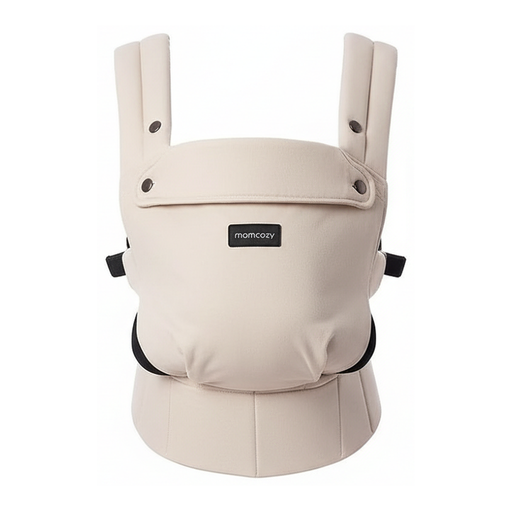
Why It Stands Out: This Momcozy carrier is built with parental comfort at its core. The design incorporates an X-shaped back to distribute weight evenly across your back and shoulders, while the built-in EVA waist support panel provides substantial lumbar reinforcement, reducing lower back strain during extended use.
Pros:
Who is it for?: Parents looking for a highly supportive and ergonomic carrier for everyday use. It is an excellent choice for those who will be wearing their baby for long stretches and want to prioritise their own back health.
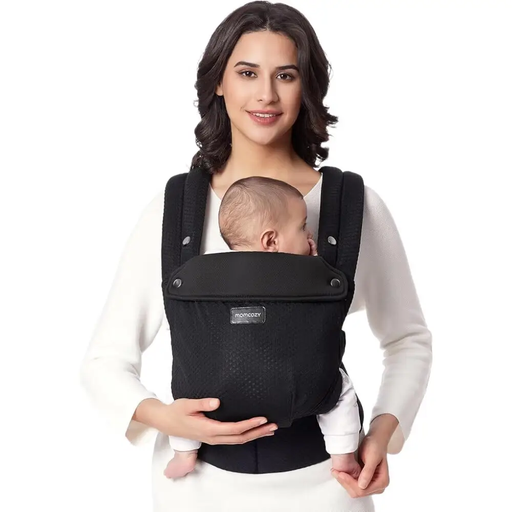
Why It Stands Out: Sharing the same excellent support structure as the cotton version, this model is specifically designed for breathability. The large Air Mesh panel on the front promotes airflow, while the cooling neck contact fabric helps keep both you and your baby comfortable and dry, even on warm days or during vigorous activity.
Pros:
Who is it for?: Families living in warmer climates, those who are active outdoors or any parent or baby who tends to overheat. It offers a cool and comfortable carrying experience without sacrificing support.
While our recommendations cover a range of daily needs, we understand that family holidays and travel bring their own set of requirements. A carrier for travel often needs to be exceptionally lightweight, compact and easy to use on the go.
For a wider selection of carriers specifically suited for journeys near and far, explore our full range of baby carriers for travel.
1. At what age can I start using a baby carrier? This depends entirely on the carrier's design. Some, like the Momcozy models, are suitable from around 7 lbs (3.2 kg), accommodating newborns as long as they meet the minimum weight requirement. Others, like the Waterland carrier, are intended for babies who have developed good head and neck control, typically around 4 months of age. Always check the manufacturer's weight and age guidelines for the specific product.
2. How do I ensure my baby is in an ergonomic position? The key is to check for the "M-position." Your baby's bottom should be seated deeply in the carrier panel, with their knees bent and positioned higher than their hips. Their back should have a gentle, natural curve (like the letter 'C'). A well-designed carrier will make achieving this position intuitive.
3. Can I wear a baby carrier for long periods? Yes, provided the carrier is designed for extended wear. Features like a structured baby carrier with lumbar support and wide, padded shoulder straps are essential. These elements work together to distribute your baby's weight across your hips and core, rather than concentrating it on your shoulders and back, allowing you to carry your baby comfortably for longer.