
24/7 Customer Support

Free returns

Same-day & Next-day Delivery

Quality Guaranteed

Unlock Your Welcome Offers: FREE Delivery | Up to 80% OFF | Free 30-day JoyPlus trial
Download the APP
Keeping your baby close provides comfort and strengthens your bond, but daily life in the UK still demands your attention. A well-chosen baby carrier offers a practical solution, giving you the freedom of a hands-free baby carrier while ensuring your little one is safe and snug. With so many options available, finding the right one can feel overwhelming.
As Joybuy’s Product Recommendation Officer, my role is to help you navigate the choices. This guide offers practical advice and highlights a few standout options to help you find a carrier that fits your family’s lifestyle.
Before exploring specific products, consider these key factors. They will help you narrow down your search and make a more informed decision.
The most critical feature of any carrier is how it supports your baby. An ergonomic baby carrier is designed to hold your baby in a natural, hip-healthy 'M' position, where their knees are higher than their bottom. This posture supports healthy hip development and is recommended by paediatric specialists. Always check that a carrier complies with UK and EU safety standards, such as EN 13209-2:2015, which ensures it has passed rigorous structural and safety tests.
The fabric of a carrier affects both comfort and usability. For active parents or for use during warmer months, a breathable baby carrier made from mesh or lightweight cotton can prevent overheating. For cooler weather or even water-based activities, materials like neoprene offer warmth and durability. A lightweight baby carrier is also easier to pack and carry when not in use, adding to its convenience.
Babies grow quickly, so consider how long you plan to use the carrier. Some are designed specifically as a newborn baby carrier, offering snug support for the first few months. Others are adjustable and can be used well into the toddler years. Look for features like multiple carrying positions, such as a front facing baby carrier option for curious older babies and a wide weight range to get the most value over time. A good baby carrier for toddlers will have robust support and a higher weight capacity.
Based on their features, materials and user-centric design, here are a few recommendations available on Joybuy.
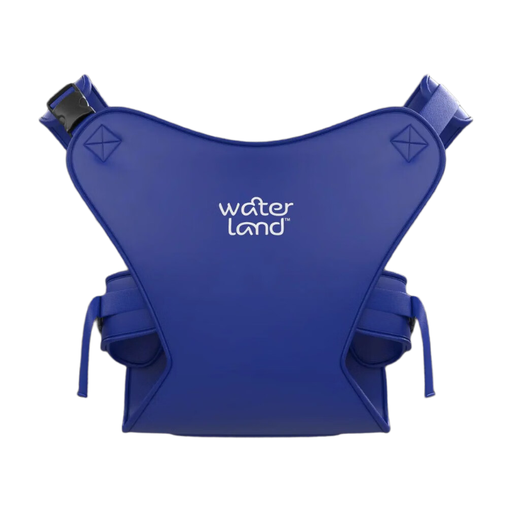
View Product: Waterland Baby Carrier Pacific Blue
Why It Stands Out: This carrier’s unique selling point is its neoprene construction, the same material used in wetsuits. It’s designed for parents who want to bring their baby along for water-based fun, from paddling at the beach to swimming pool visits, while also functioning perfectly as a standard daily carrier.
Pros:
Who is it for? Active, adventurous families who spend time near the water and want a single, versatile carrier for both land and aquatic outings.
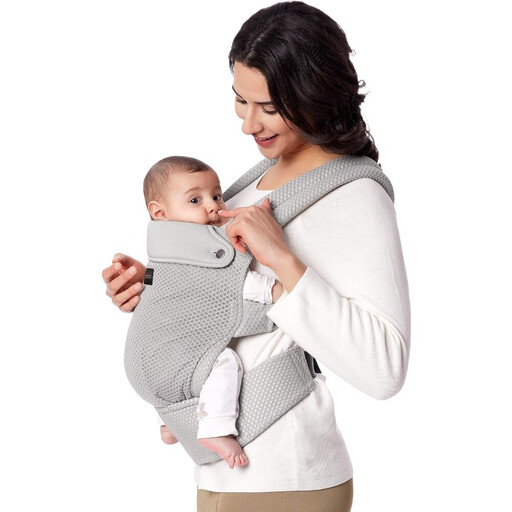
View Product: Momcozy Breathable Mesh Baby Carrier, Gray
Why It Stands Out: The Momcozy carrier prioritises comfort for both parent and baby, especially in warm weather. Its Air Mesh panel and cooling neck fabric provide excellent ventilation, while the built-in EVA waist support and X-shaped back design help distribute weight evenly to reduce strain.
Pros:
Who is it for? Parents looking for a long-term, ergonomic carrier with superior breathability and back support for all-day comfort.
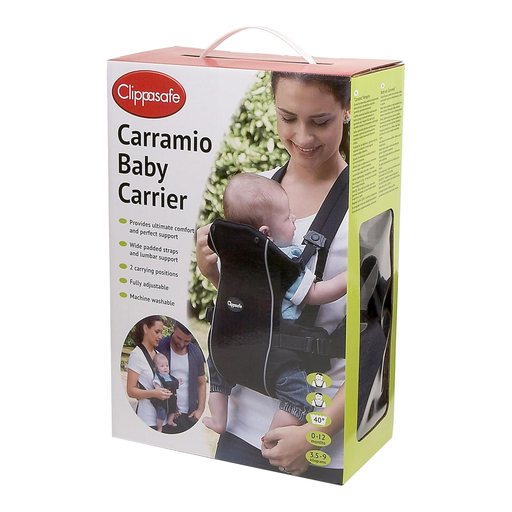
View Product: Clippasafe Carramio Baby Carrier, Black
Why It Stands Out: The Clippasafe Carramio is a straightforward and accessible option focused on the first year of a baby's life. It offers essential features in a lightweight, easy-to-use package, making it a practical choice for new parents.
Pros:
Who is it for? Parents seeking a reliable, no-fuss and affordable carrier specifically for their baby’s first year.
These recommendations cover a range of needs, but every family is unique. If you’re looking for different styles, materials or features, there are many more choices to consider.
Explore our full range of baby front carriers to find the perfect match for you and your little one.
The safest position is an upright one that keeps the baby’s chin off their chest, ensuring their airway is always clear and their face is visible. For hip health, the carrier should support their legs in a spread-squat or 'M' shape, with their knees sitting slightly higher than their bottom.
Yes, many carriers are designed for newborns. Look for products that state they are suitable from birth or a low starting weight (e.g., 3.2 kg / 7 lbs). A good newborn baby carrier will provide ample head and neck support, as infants cannot hold their heads up independently for the first few months.
There is no strict time limit, but it is generally recommended to take breaks every couple of hours. This allows you to check your baby’s comfort, change their nappy and give both of you a chance to stretch. Always be guided by your baby’s cues; if they seem fussy or uncomfortable, it’s time for a break.