
24/7 Customer Support

Free returns

Same-day & Next-day Delivery

Quality Guaranteed

Unlock Your Welcome Offers: FREE Delivery | Up to 80% OFF | Free 30-day JoyPlus trial
Download the APP
Navigating the world of baby products can be overwhelming, especially when it comes to something as important as a baby carrier. You want to keep your little one close and secure, but you also need your hands free to manage daily life. The right carrier can be a game-changer, offering comfort for you and healthy support for your baby.
This guide is designed to cut through the clutter. As the Joybuy Product Recommendation Officer, my role is to provide clear, practical information to help you choose a baby carrier that fits your lifestyle and supports your baby's development, without the marketing hype. We will look at key features to consider and highlight a few recommended options available in the UK.
Finding the ideal carrier involves balancing your comfort, your baby's safety and practical features. Here are a few key points to consider during your search.
A well-designed ergonomic baby carrier is crucial. For your baby, this means ensuring their hips and spine are correctly supported. Look for carriers that promote the "M-shape" position, where the baby's knees are higher than their bottom. This posture is widely recognised for supporting healthy hip development.
For the wearer, comfort is just as important. A baby carrier with hip support or a structured waistband helps to distribute the baby's weight evenly across your hips and shoulders, reducing strain on your back. Padded shoulder straps and adjustable designs are also key features that enhance comfort during extended use.
The material of your carrier affects comfort, durability and maintenance. Natural fibres like cotton are soft, durable and often machine-washable, making them a practical choice for everyday use.
If you plan to be active or use the carrier during warmer months, a breathable baby carrier made with mesh fabrics can make a significant difference. These materials allow for better airflow, helping to keep both you and your baby cool and comfortable.
Carriers are designed for specific developmental stages. Some are suitable as a newborn baby carrier, offering the necessary head and neck support from day one. Others are intended for babies who have already developed some head control, typically around three months.
Always check the manufacturer's specified minimum and maximum weight limits. Many carriers are adjustable and can grow with your child, but it is vital to use them within the recommended range. Also, consider the carrying positions offered. While parent-facing is essential for newborns, a front facing baby carrier option can be great for curious older babies who want to see the world.
Based on features that prioritise ergonomics, comfort and practicality, here are a few standout options for UK parents.
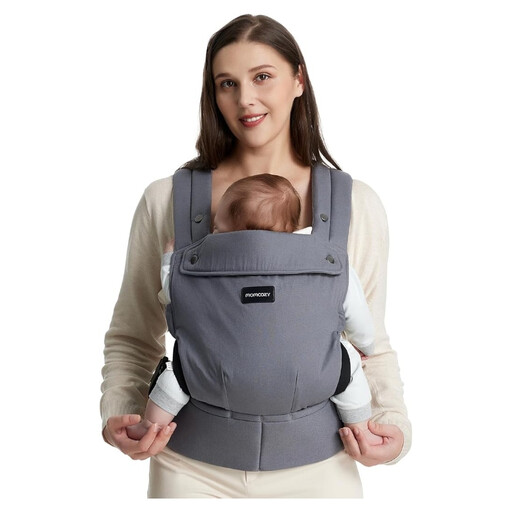
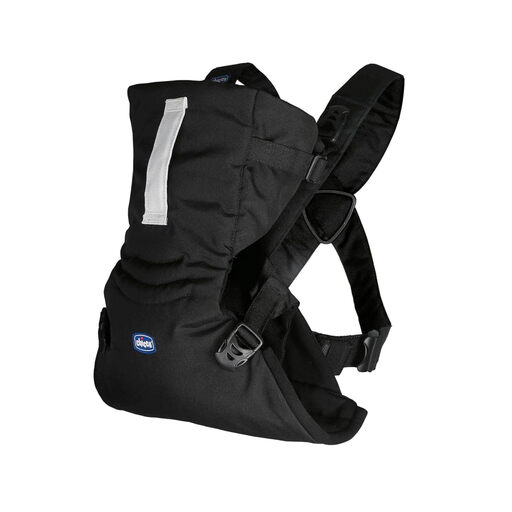
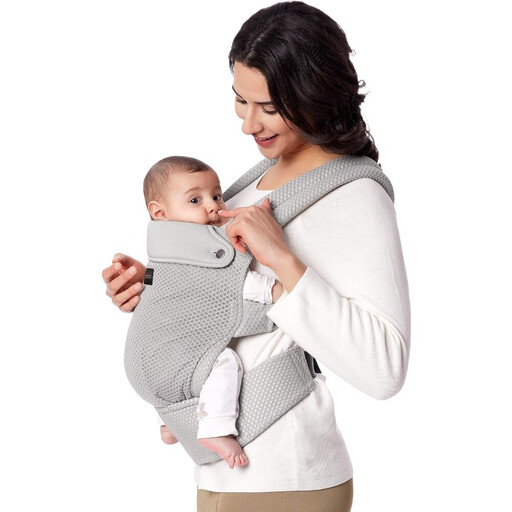
If your priority is finding an ultra-portable or lightweight baby carrier for travel or quick trips, there are many other styles to consider. To see a broader range of options tailored to these needs, we invite you to explore our curated collection and find the perfect fit for your family.
This depends entirely on the carrier's design. Some models, like the Chicco Easy Fit, are designed to be used from birth. Others are better suited for babies who have developed some head and neck control, usually around 3 months of age. Always refer to the manufacturer's guidelines for the specific age and weight recommendations.
Safety is paramount. A good practice is to follow the T.I.C.K.S. checklist for safe babywearing:
Yes, many modern carriers offer a front-facing position. This is generally recommended only after a baby has strong, consistent head and neck control, typically from 4-6 months onwards. It is a great way for them to observe their surroundings, but be mindful of overstimulation. If your baby seems fussy or tired, it is best to switch them back to the parent-facing position.