
24/7 Customer Support

Free returns

Same-day & Next-day Delivery

Quality Guaranteed

Unlock Your Welcome Offers: FREE Delivery | Up to 80% OFF | Free 30-day JoyPlus trial
Download the APP
Navigating the world of parenting gear can feel overwhelming, especially when you’re looking for something as essential as a baby carrier. You want to keep your little one close and secure, but you also need your hands free to make a cup of tea, answer an email or simply get through the day. With so many styles and features available, it’s easy to get lost in the details.
As the Joybuy Product Recommendation Officer, my role is to help you find practical solutions that fit your life. This guide cuts through the clutter, focusing on key features like safety, comfort and versatility to help you choose a baby carrier that works for you and your family.
Before diving into specific products, let’s cover a few key considerations. Thinking about these points will help you identify what you truly need.
A well-designed ergonomic baby carrier is crucial for the comfort and health of both you and your child. For your baby, look for a carrier that supports their natural posture. This means their legs should be in a spread-squat "M" position, with their knees higher than their bottom, to promote healthy hip development.
For the parent, comfort is key to using the carrier regularly. Features like padded shoulder straps and a baby carrier with lumbar support can make a significant difference. A supportive waistband helps distribute the baby's weight across your hips and core, taking the strain off your shoulders and back.
Your daily routine and the UK climate should influence your choice. If you’re an active parent who enjoys long walks or you find yourself getting warm easily, a breathable baby carrier made from mesh or lightweight fabrics is an excellent option. It helps improve airflow, keeping both of you cooler and more comfortable.
For families who love holidays by the sea or taking their little one to swimming lessons, a specialised water baby carrier can be a game-changer. Made from materials like neoprene, these carriers are designed for use in and out of the water, drying quickly and providing a secure way to hold your baby.
Safety is non-negotiable. Look for carriers that comply with recognised safety standards, such as EN 13209-2:2015 in the UK and Europe. A good carrier should also be highly adjustable. It needs to fit your body securely and adapt as your baby grows, from the newborn baby carrier stage through to toddlerhood. The ability to easily put on and adjust the carrier by yourself is a major benefit, making it a truly hands-free baby carrier that simplifies your daily tasks.
Based on these practical considerations, here are a few standout options that cater to different needs and lifestyles.
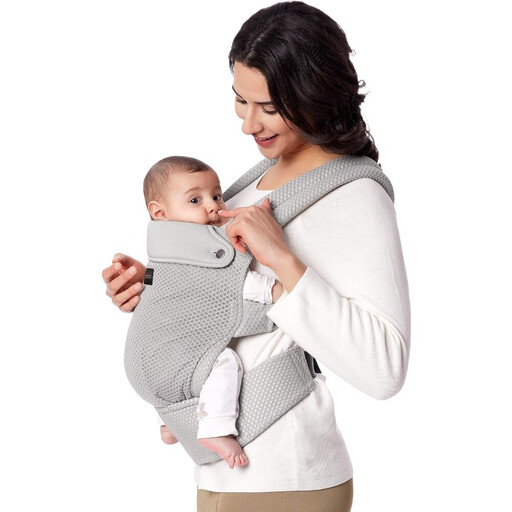
Why It Stands Out This Momcozy baby carrier is designed with warm weather and active parents in mind. Its standout feature is the large Air Mesh panel and cooling neck fabric, which provides excellent ventilation to prevent overheating. The design doesn't compromise on support, incorporating an X-shaped back and built-in EVA waist support to distribute weight effectively.
Pros
Who is it for? This is an excellent all-round choice for parents seeking a comfortable, everyday carrier that excels in warmer conditions. It’s perfect for daily walks, running errands and keeping your baby close without causing either of you to overheat.
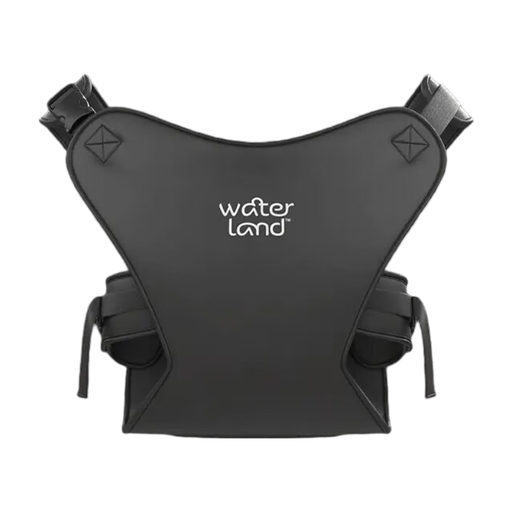
Why It Stands Out The Waterland carrier is a unique solution for adventurous families. Made from neoprene—the same material used in wetsuits—it is built for use on both land and in water. This dual functionality makes it a highly practical choice for holidays, trips to the local pool or beach days, eliminating the need for separate equipment.
Pros
Who is it for? This water baby carrier is designed for parents with an active, water-loving lifestyle. If you envision bringing your baby along for seaside adventures or poolside relaxation, this carrier provides a safe and convenient way to do so.
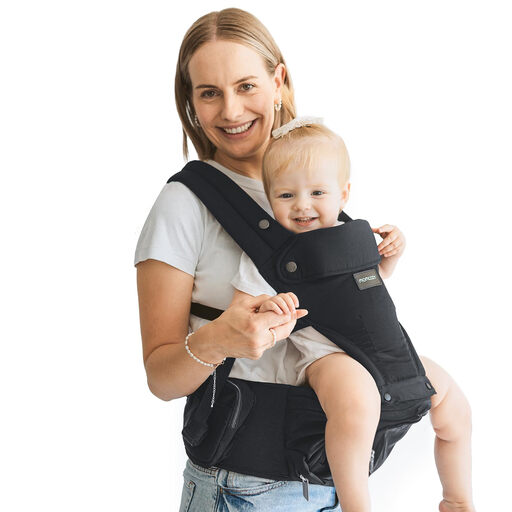
Why It Stands Out Versatility is the core strength of this 2-in-1 model. It functions as a complete structured carrier or as a standalone baby carrier with a hip seat. This adaptability makes it a long-lasting investment, offering six different carrying positions to support your child from infancy through to their toddler years. The detachable hip seat is particularly useful for quick carries around the house.
Pros
Who is it for? Parents looking for a single, highly adaptable carrier that will see them through multiple stages of their child's growth. The hip seat function is especially beneficial for parents of heavier babies or toddlers who want frequent, short-term support without the fuss of a full carrier.
While these recommendations cover a range of common needs, every family is unique. If you are particularly interested in the supportive benefits of a structured base for an older or heavier baby, it may be worth exploring more models with this feature.
Discover more options in our wider selection of baby hip carrier products.
At what age can I start using a baby carrier? This depends entirely on the carrier's design. Many soft-structured carriers and wraps are suitable from the newborn baby carrier stage (typically around 3.2 kg or 7 lbs), as long as they provide sufficient head and neck support. Always check the manufacturer's specified weight and age range. Some more structured carriers are better suited for babies from 3-4 months old, once they have developed good head control.
Is a baby carrier with a hip seat better for my back? A baby carrier with a hip seat is specifically designed to distribute your baby's weight across your hips and waist, which can alleviate strain on your shoulders and upper back. This can be particularly helpful as your child grows heavier. The firm seat provides a supportive perch for your baby, which also helps you maintain a more upright posture.
How do I ensure my baby is safe in a carrier? Always follow the T.I.C.K.S. checklist for safe babywearing:
Additionally, ensure their legs are in the ergonomic "M" position and check that all buckles are securely fastened before each use.