
24/7 Customer Support

Free returns

Same-day & Next-day Delivery

Quality Guaranteed

Unlock Your Welcome Offers: FREE Delivery | Up to 80% OFF | Free 30-day JoyPlus trial
Download the APP
Navigating the world of baby products can feel overwhelming, and choosing a baby carrier is no exception. With so many options available, it's easy to fall for marketing hype or purchase a carrier that ends up gathering dust. A good carrier should offer you the freedom of a hands-free lifestyle while keeping your little one safe and comfortable.
As the Joybuy Product Recommendation Officer, my role is to help you sidestep common purchasing mistakes. This guide cuts through the clutter, focusing on the practical features that matter for UK parents, ensuring you find a carrier that genuinely works for you and your baby.
Before you add a carrier to your basket, be aware of these frequent traps that can lead to disappointment and wasted money.
To make a sound choice, focus on these non-negotiable parameters. They are the foundation of a safe, comfortable and long-lasting baby carrier.
The single most important feature is how the carrier supports your baby. Look for a design that promotes the "M-position" or "frog-leg" posture. This means your baby's knees are positioned slightly higher than their bottom, creating an 'M' shape. This posture is crucial for healthy hip development and is widely recommended by bodies like the International Hip Dysplasia Institute.
A good ergonomic baby carrier will also have a soft, supportive panel that allows your baby's spine to maintain its natural 'C' curve, especially important for a newborn baby carrier.
A hands-free baby carrier is only useful if you can wear it comfortably. The key to this is weight distribution.
The fabric of your carrier impacts comfort, cleaning and usability across seasons.
Here are a few options that align with different parenting needs, selected based on their practical design and features.
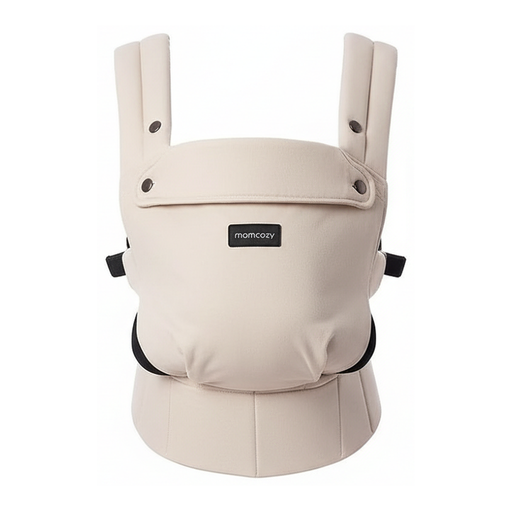
Why This Fits Their Persona: This is a solid, dependable choice for parents needing a carrier for daily errands, walks in the park and getting things done at home. It balances essential ergonomic features with ease of use and a reasonable price point.
It directly counters the parent comfort pitfall with its X-shaped back design and built-in EVA waist support, which work together to distribute weight evenly and reduce back strain during extended use.
Features three adjustable sizing positions to provide a better fit as your child grows from infant to toddler (up to 20 kg). The 100% cotton fabric is machine washable for easy care.
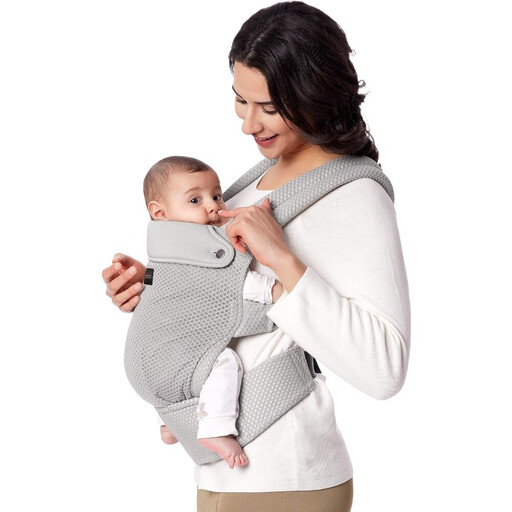
Why This Fits Their Persona: Ideal for parents who are active, use public transport or are concerned about overheating. Its design is focused on airflow, making it a practical choice for summer days, holidays or busy indoor environments.
This carrier directly solves the material pitfall. The use of Air Mesh fabric and a cooling neck panel provides significantly better ventilation than standard cotton carriers, preventing parent and baby from getting too warm.
Maintains the same ergonomic M-position and lumbar support as other structured carriers but in a much lighter, more breathable package. It's a versatile year-round option for those who prioritise temperature control.
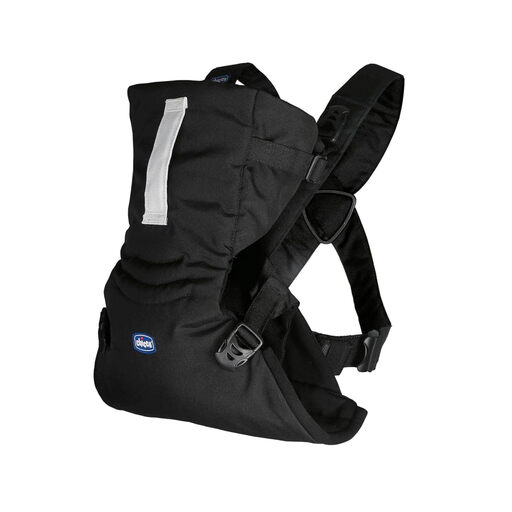
Why This Fits Their Persona: Perfect for new parents, or as a gift, for those who want a simple, secure and unintimidating option for the first few months. Its design prioritises ease of use and correct newborn positioning.
It avoids the "one-size-fits-all" pitfall by being specifically designed as a baby carrier from birth. Its simple, T-shirt-like application process removes the complexity that can make other carriers difficult to use correctly with a tiny baby.
Extremely easy to put on and adjust. It is designed to ensure the ergonomic M-position and is ideal for the parent-facing position recommended for newborns, providing closeness and security.
We have compiled a complete, real-time list of products that fully satisfy these strict selection criteria and UK safety regulations.
1. How long can you use a baby carrier for? Most structured carriers are designed to be used until your child weighs around 15-20 kg (33-44 lbs), which is typically around 2 to 3 years of age. However, the practical limit often comes down to comfort. As your child grows, you may find a dedicated baby carrier for toddlers with enhanced seat and back support is a more comfortable option for longer walks. Always adhere to the manufacturer's specified weight limits.
2. Is a baby sling or a structured carrier better for a newborn? Both can be excellent choices, and it often comes down to personal preference. A baby sling is a length of fabric that offers a very close, womb-like environment which many newborns love. A structured newborn baby carrier often has more built-in support and can feel more secure for parents who are nervous about wrapping techniques. The most important factor for either style is ensuring it supports the baby's head and neck and keeps their hips in the healthy 'M' position.