
24/7 Customer Support

Free returns

Same-day & Next-day Delivery

Quality Guaranteed

Unlock Your Welcome Offers: FREE Delivery | Up to 80% OFF | Free 30-day JoyPlus trial
Download the APP
Keeping your baby close provides comfort and strengthens your bond, but daily life in the UK still demands your attention—and your hands. A baby carrier offers a practical solution, allowing you to navigate everything from the weekly shop to a walk in the park with your little one held securely against you.
However, the sheer number of options can be overwhelming. With so many styles, features and terms to decipher, choosing the right one can feel like a monumental task. This guide is designed to cut through the clutter. As the Joybuy Product Recommendation Officer, my role is to provide clear, practical advice to help you find a carrier that fits your family’s needs, focusing on safety, comfort and convenience.
Before looking at specific models, it helps to understand the key features that make a carrier a good fit. Consider these points during your search.
A well-designed carrier supports both you and your child. For your baby, the most important factor is hip health. Look for an ergonomic baby carrier that supports your baby’s legs in a spread-squat position, often called the 'M' or 'froggy' position. Their knees should be higher than their bottom, which promotes healthy hip development. For a newborn baby carrier, ensure it provides adequate head and neck support until they can hold their head up independently.
For your own comfort, a comfortable baby carrier should distribute your baby's weight evenly across your hips, back and shoulders. Padded shoulder straps and a wide, supportive waistband can significantly reduce strain, especially as your baby grows.
Carriers are designed for different stages of development. Some are suitable from birth, while others are better for older babies or toddlers.
Always check the manufacturer's recommended age and weight limits for each carrying position to ensure safety.
The ideal carrier depends on how you plan to use it. If you need a versatile option for long walks and daily errands, a structured carrier with a baby carrier with hip seat might be a good choice for added support. If you're looking for something simple and compact for quick trips or use around the house, a lightweight, easy-to-wear model could be more suitable. In the UK, where the weather is unpredictable, materials that are breathable in summer but warm in winter are also a key consideration.
Based on features that prioritise comfort, versatility and user-friendliness, here are our recommendations.
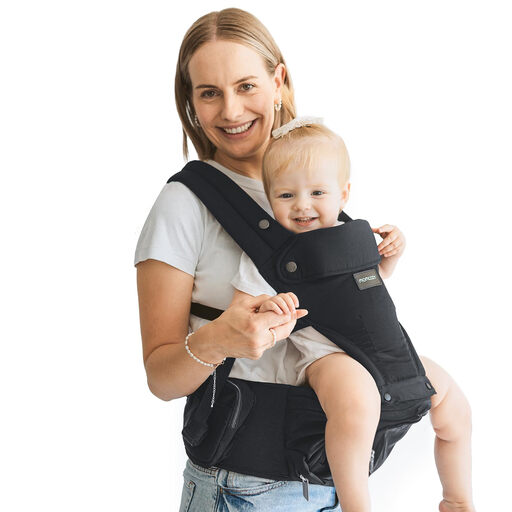
View the Momcozy 2-in-1 AIR Carrier & Hip Seat
Why It Stands Out: This carrier’s main strength is its adaptability. The 2-in-1 design combines a traditional soft-structured carrier with a detachable hip seat. This offers exceptional versatility, providing six different carrying positions to support your child from around 3 months up to 20 kg. The hip seat provides a firm, wide base that helps maintain the ergonomic 'M' position for your baby while taking a significant amount of weight off the parent's shoulders and back.
Pros:
Who is it for? Parents looking for a single, long-lasting carrier that will adapt as their child grows from a baby into a toddler. It is particularly well-suited for those who want maximum back and shoulder support for all-day comfort.
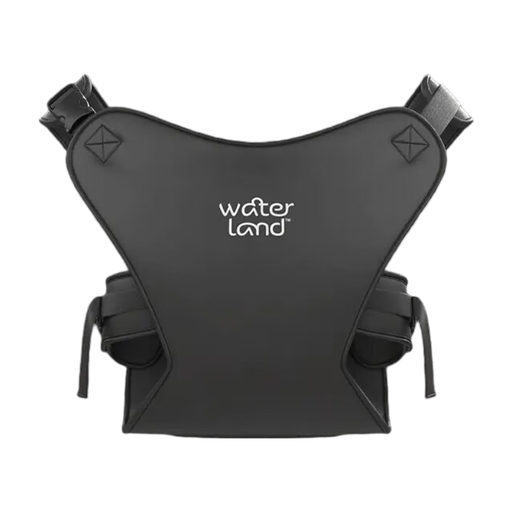
View the Waterland Baby Carrier Jet Black
Why It Stands Out: The Waterland carrier is made from neoprene, the same material used for wetsuits. This unique feature makes it suitable for use both on land and in water. It’s a practical choice for family holidays, trips to the local swimming pool or beach days, as it keeps your hands free while ensuring your baby stays secure and warm in the water.
Pros:
Who is it for? Active families who love the water. If you enjoy swimming, visiting the beach or want a carrier that can handle splashes and showers without fuss, this is a highly practical option.
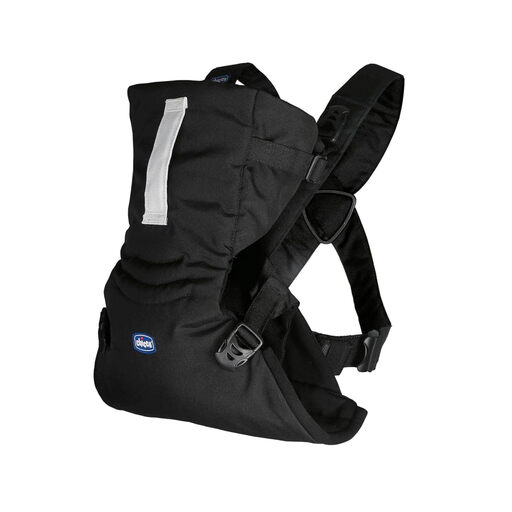
View the Chicco Easy Fit Carrier From Birth Black Night
Why It Stands Out: Simplicity is the key appeal of the Chicco Easy Fit. It is designed to be put on as easily as a t-shirt, making it an excellent choice for new parents who may feel intimidated by more complex carriers with numerous straps and buckles. It is specifically designed as a newborn baby carrier, offering a snug and secure environment from birth.
Pros:
Who is it for? New parents seeking a straightforward, no-fuss carrier for the newborn stage. Its ease of use makes it ideal for quick trips, settling a fussy baby or simply keeping your newborn close while at home.
Every family's needs are unique, and the carriers highlighted here are just a starting point. If you are looking for a carrier with different features or one specifically designed for an older child, it is worth exploring a wider range.
To see more styles, including different types of baby sling UK models and other structured carriers, browse our full collection of toddler and baby carriers.
1. When can my baby face forward in a carrier? Most paediatricians and carrier manufacturers recommend waiting until your baby is around 4 to 6 months old and has strong, consistent head and neck control. At this stage, they can hold their head steady against movement. Always check the specific guidelines for your carrier, as some are designed differently.
2. Are baby carriers safe for newborns? Yes, when used correctly. Choose a carrier specifically designed for newborns that provides proper support for their head, neck and back. Always follow the T.I.C.K.S. guidelines for safe babywearing: keep your baby Tight, In view at all times, Close enough to kiss, Keep their chin off their chest and ensure their back is Supported.
3. How do I ensure a baby carrier is ergonomic? An ergonomic carrier should support your baby’s thighs from one knee to the other, allowing their legs to form an 'M' shape with their bottom lower than their knees. Their spine should be in its natural, gently curved 'C' shape. For the wearer, an ergonomic fit means the baby's weight is distributed evenly across your hips and shoulders, not pulling on your neck or lower back.