
24/7 Customer Support

Free returns

Same-day & Next-day Delivery

Quality Guaranteed
Download the APP
Categories
Finding the right moisturiser for your baby’s delicate skin can feel overwhelming, especially when faced with dryness, irritation or conditions like eczema. The sheer number of lotions, creams and balms on the market can make it difficult to know which product will provide gentle, effective care without causing further issues.
As a Joybuy Product Recommendation Officer, my role is to help you navigate these choices. This guide offers practical advice on what to look for in a baby moisturiser for sensitive skin and presents our top recommendations to help you make an informed decision for your little one.
Before looking at specific products, understanding a few key principles can simplify your search and ensure you select a suitable and safe option.
The ingredient list is your most valuable tool. For sensitive skin, less is often more. Prioritise products formulated with simple, proven ingredients known for their soothing and hydrating properties.
Not all dry skin is the same. A newborn moisturiser for general daily hydration will have a different texture and formulation than a cream designed for more persistent conditions.
Even with the gentlest products, it is wise to perform a patch test before full application. Apply a small amount of the moisturiser to a discreet area of your baby's skin, such as behind the ear or on the inner arm. Wait 24 hours to check for any signs of redness or irritation.
Here are our standout recommendations, selected for their gentle formulas, effective ingredients and suitability for sensitive baby skin.
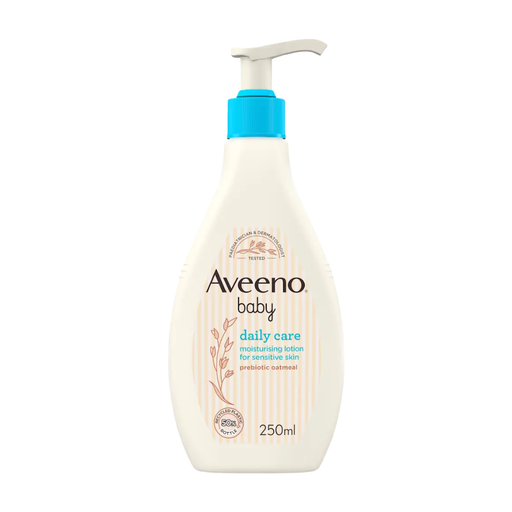
Why It Stands Out: This lotion is a reliable choice for everyday moisture management. Its formula is centred around prebiotic colloidal oatmeal, an ingredient recognised for its ability to support the skin's microbiome and maintain its natural barrier. The lightweight, non-greasy texture absorbs quickly, making it practical for busy parents.
Pros:
Who is it for? Parents looking for a gentle, effective and fast-absorbing daily moisturiser to keep their baby's normal to sensitive skin soft and hydrated.
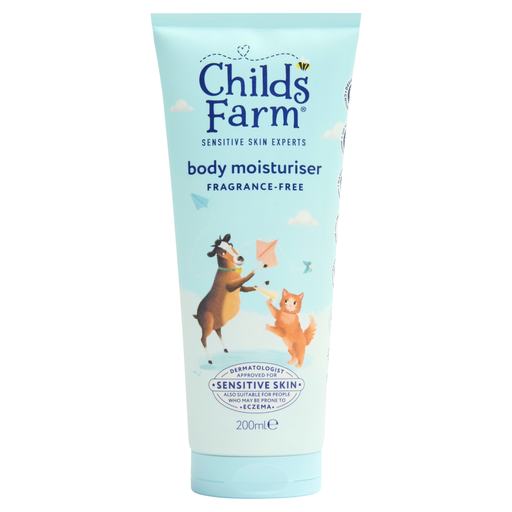
Why It Stands Out: Childs Farm offers a formula that is clinically proven to be kind to sensitive and eczema-prone skin. It combines the rich, nourishing properties of cocoa butter and shea butter with skin-conditioning Vitamin E. As a Leaping Bunny certified brand, it's also an excellent choice for ethically-minded families.
Pros:
Who is it for? Caregivers seeking a moisturiser with natural origin ingredients that is proven gentle for sensitive skin, including those prone to eczema.
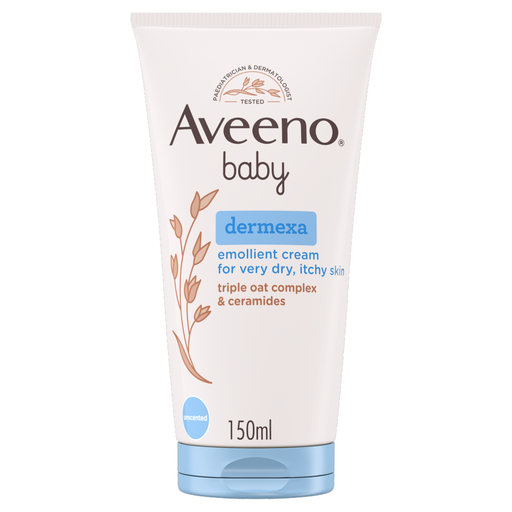
Why It Stands Out: This is a highly targeted baby eczema cream designed for very dry, itchy and irritation-prone skin. Its power lies in the combination of a triple oat complex (oat extract, oat oil and oatmeal) and ceramides. This rich emollient works to soothe discomfort from day one and helps restore the skin's protective barrier.
Pros:
Who is it for? Parents needing an intensive, soothing emollient to manage the symptoms of very dry, itchy or eczema-prone skin in their babies.
A complete skincare routine goes beyond just moisturising. The cleansing step is equally important, as harsh soaps can strip the skin of its natural oils, worsening dryness and irritation. A gentle, hydrating wash is essential.
For an ultra-gentle cleansing experience, especially during bath time, a cleansing oil can be an excellent alternative to traditional body washes. These products cleanse the skin effectively while leaving behind a layer of moisture. If you're looking to build a complete skincare routine, explore our selection of gentle body cleansing oils.
1. How often should I moisturise my baby with sensitive skin? For best results, moisturise your baby at least once daily, ideally after a lukewarm bath when their skin is still slightly damp to lock in hydration. For very dry or eczema-prone skin, you may need to apply moisturiser two to three times a day or as needed to keep the skin comfortable.
2. What ingredients are best to avoid for sensitive baby skin? The most common irritants to avoid are fragrances (both synthetic and natural, like essential oils), dyes, sulphates (often found in cleansers) and drying alcohols (like alcohol denat.). A simple, short ingredient list is often a good sign.
3. Is an emollient cream different from a regular baby lotion? Yes. A lotion is typically lighter, with a higher water content, making it ideal for daily hydration of normal to slightly dry skin. An emollient cream for babies is much richer and thicker. It contains a higher concentration of oils and fats to create a protective seal on the skin, making it more effective for managing conditions like eczema and severe dryness.