
24/7 全天候客户支持

免费退货

当日/次日达

品质保障

开启新人专享福利: 全场免邮 | 低至 2 折 | 免费试用 30 天 JoyPlus 会员
下载 Joybuy
As a parent, keeping your baby’s skin soft, hydrated and comfortable is a top priority. Yet, the sheer volume of baby moisturisers on the shelves can be overwhelming. Navigating claims of "natural" ingredients and "paediatrician approved" labels often leads to confusion and purchases that don't suit your little one's delicate skin.
Before you add another bottle to your basket, let's look at some common pitfalls that many UK parents encounter. Understanding these can help you make a more informed choice and avoid wasting money on products that aren't right for your family.
natural baby lotion can still contain fragrances or botanical extracts that may irritate very sensitive skin. It's the complete formula, not just the marketing, that matters.paediatrician approved baby moisturiser indicates that it has been reviewed and is generally considered safe for use on children. However, this is a broad endorsement, not a specific prescription. A baby with a particular condition, like eczema, may require a more specialised formula.To choose a product that truly nurtures your baby's skin, it helps to look beyond the front of the bottle. Here are the core parameters to analyse.
A baby's skin is thinner and more permeable than an adult's, making it more susceptible to dryness and irritation. Look for formulas built around proven, gentle ingredients:
oatmeal baby lotion for its ability to soothe irritation and support the skin's natural microbiome. Aloe Vera also offers calming properties.For a newborn moisturiser or a baby lotion for sensitive skin, it's often what is excluded that counts. Aim for formulas free from dyes, parabens and phthalates.
Not all baby skin is the same. The right moisturiser depends on your child's specific requirements.
unscented baby moisturiser is crucial. The term "unscented" can sometimes mean masking chemicals have been added to neutralise an odour. A "fragrance-free" product is typically the safer option as it contains no fragrances at all.eczema baby cream or ointment. These formulas are often thicker and contain a higher concentration of occlusive ingredients to create a more robust barrier, protecting the skin from environmental triggers and reducing moisture loss.We've filtered through the options to match specific products with common parenting scenarios.
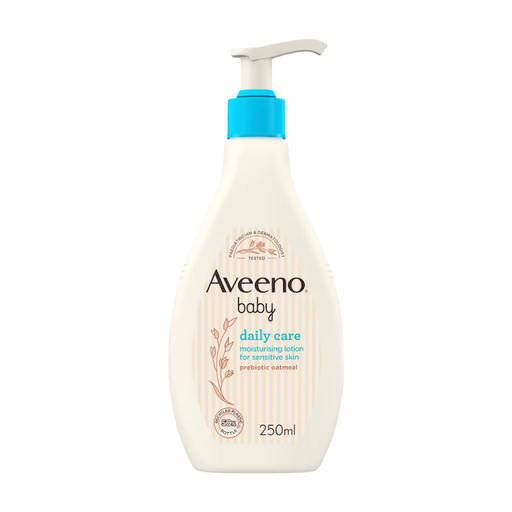
Why This Fits Their Persona: This lotion is designed for the most delicate skin. Its unscented, pH-balanced and dye-free formula is ideal for daily use on newborns from the very first day, providing gentle hydration without unnecessary additives.
It directly counters the trap of hidden irritants by being truly fragrance-free and having a streamlined ingredient list focused on gentle, effective components like prebiotic colloidal oatmeal.
Formulated with prebiotic colloidal oatmeal to support the skin's microbiome. Fast-absorbing and non-greasy, making it practical for quick application on face and body.
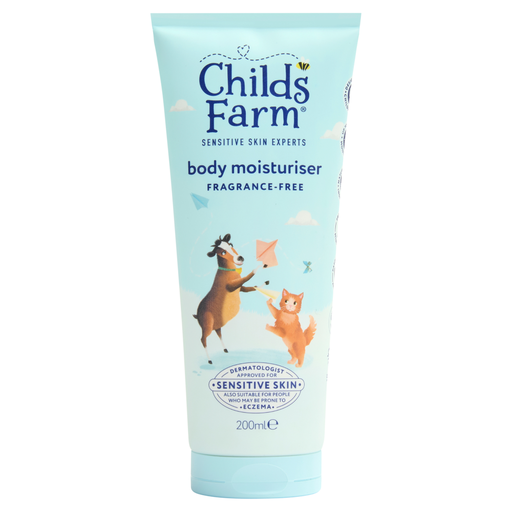
Why This Fits Their Persona: This moisturiser is specifically formulated for skin that needs extra care. According to the brand, it is clinically proven to be kind to sensitive and eczema-prone skin, making it a reliable choice for parents managing these conditions.
It moves beyond a generic "approved" label by focusing on suitability for a specific skin concern. Its fragrance-free formula eliminates a common trigger for flare-ups.
Contains a nourishing blend of cocoa and shea butters for rich hydration. It is also Leaping Bunny certified cruelty-free.
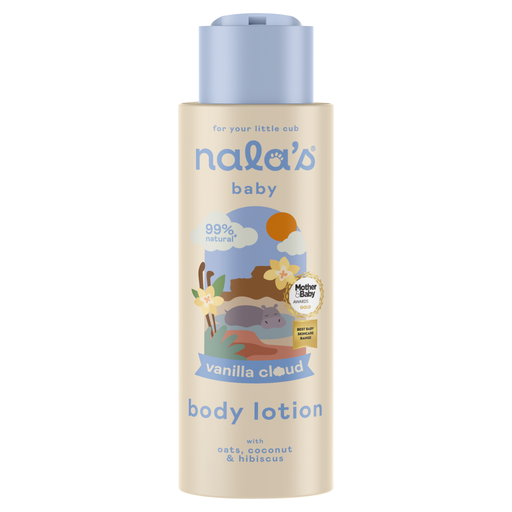
Why This Fits Their Persona: This lotion is made with 99% naturally derived ingredients and is vegan and cruelty-free. It appeals to parents who prioritise clean formulations and ethical production, without compromising on gentleness for newborn skin.
It avoids the "natural illusion" by being transparent about its high percentage of natural origin ingredients and its exclusion of sulphates, parabens and alcohols, providing clarity for discerning parents.
Features soothing oat and nourishing coconut oil. The gentle vanilla fragrance is allergen-free, offering a pleasant scent without common irritants.
We have compiled a complete, real-time list of products that fully satisfy these strict selection criteria and UK safety regulations.
1. When can I start using moisturiser on my newborn? Most paediatricians agree that you can start using a gentle, hypoallergenic and fragrance-free newborn moisturiser from the first few weeks after birth. It's always a good idea to perform a patch test on a small area of skin first to check for any reaction.
2. How often should I moisturise my baby? For most babies, applying moisturiser once a day is sufficient to keep their skin hydrated. This is often done after their evening bath to lock in moisture. If your baby has particularly dry or eczema-prone skin, you may need to apply it more frequently, such as twice a day or as advised by your GP or health visitor.
3. Is a lotion or a cream better for a baby with eczema? Generally, a cream or an ointment is recommended over a lotion for babies with eczema. Creams and ointments have a higher oil content and are thicker, which makes them more effective at creating a protective barrier on the skin to lock in moisture and keep irritants out. A eczema baby cream is specifically designed for this purpose.