
24/7 全天候客户支持

免费退货

当日/次日达

品质保障

开启新人专享福利: 全场免邮 | 低至 2 折 | 免费试用 30 天 JoyPlus 会员
下载 Joybuy
Choosing a simple product like baby oil can feel surprisingly complex. The shelves are filled with options, each making compelling claims about being the gentlest or most natural choice for your little one. As a new parent, you want something safe, effective and straightforward. However, navigating the marketing can lead to choices that aren't quite right for your baby's delicate skin.
Before you make a purchase, it's worth being aware of a few common pitfalls that can lead to disappointment:
natural baby oil made from plant extracts sounds appealing, not all plant-based ingredients are suitable for every baby, especially newborns. Some can be potential allergens. A product's safety comes from its specific formulation and purity, not just its source.newborn skin care.To make a confident choice, focus on a few core parameters rather than marketing slogans. Understanding these will help you select a gentle baby moisturiser that truly meets your needs.
The foundation of any baby oil is, of course, the oil itself. The two main types you will encounter are mineral oil and plant-based oils.
oil for baby's dry skin. A good quality mineral oil is non-comedogenic (won't clog pores) and has an exceptionally low risk of causing irritation, which is why it's often recommended for the most sensitive skin.A high-quality hypoallergenic baby oil should be as pure as possible. When checking the label, look for products that are explicitly free from common irritants.
While most baby oils can be used for both, some are better suited for specific tasks.
baby massage oil should have a silky texture that allows your hands to glide smoothly over the skin without friction. This creates a calming, bonding experience. Both mineral and certain plant-based oils can work well here.Based on these practical criteria, we have matched a few standout products to different parental needs.
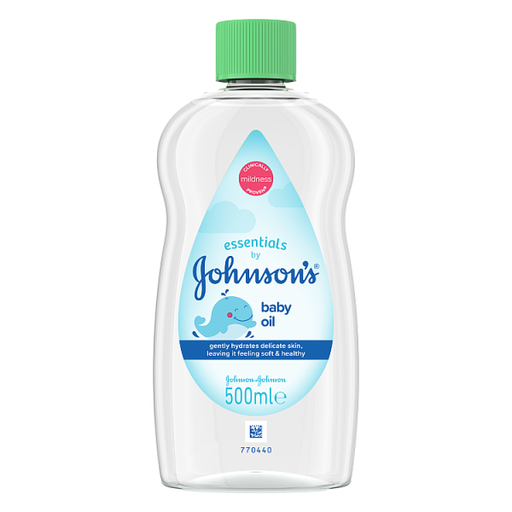
Why This Fits Their Persona: This is an ideal choice for parents looking for a no-frills, effective and economical solution. The large 500ml bottle offers excellent value for daily use, from post-bath moisturising to baby massage, without breaking the bank.
It has an extremely simple, two-ingredient formula (Paraffinum Liquidum, Isopropyl Palmitate), avoiding the complexity trap. It is upfront about being a mineral oil, which is known for its hypoallergenic properties.
Hypoallergenic and pH balanced, making it suitable for newborns. The formula is free from dyes and parabens, focusing on pure, simple moisturising.
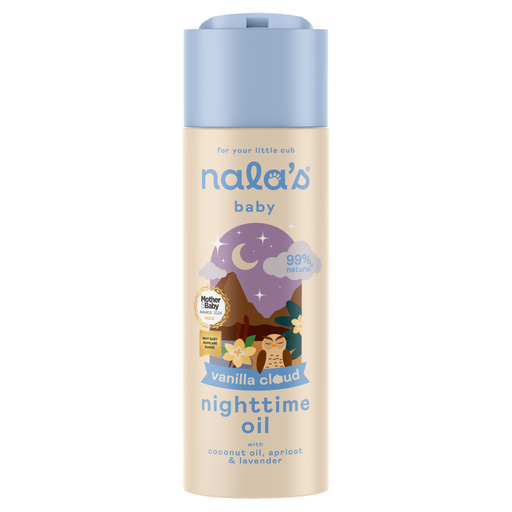
Why This Fits Their Persona: For parents who prioritise plant-derived ingredients, this oil is an excellent fit. It's formulated with a blend of apricot, coconut and castor oils, designed to be part of a calming bedtime routine for a new baby.
It directly addresses the fragrance fallacy by using an allergen-free vanilla scent. It is also transparent about its 99% naturally derived formula and is free from a long list of potential irritants like sulphates and parabens.
Dermatologically tested and paediatrician approved, making it suitable for sensitive and eczema-prone skin. The formula is vegan and cruelty-free.
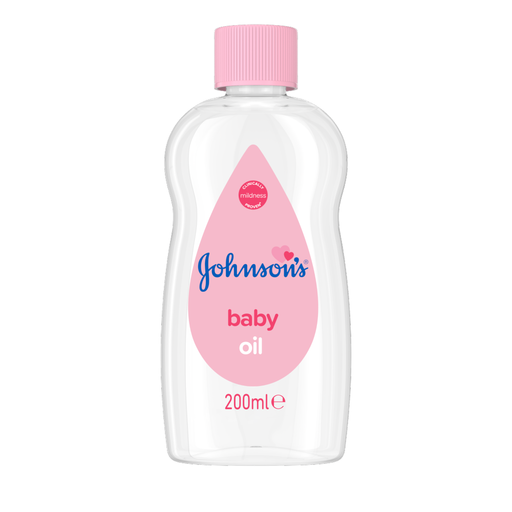
Why This Fits Their Persona: This is for the parent who values a long-standing, trusted brand with a formula that has been used by generations. It's a reliable, multi-purpose oil for baby massage and locking in moisture, backed by extensive testing.
It relies on its clinically proven mildness and simple formulation rather than trendy "natural" marketing. The product is transparently free from dyes, parabens and phthalates, addressing the ingredient purity concern directly.
Tested by paediatricians and dermatologists, its hypoallergenic formula is designed to be gentle enough for newborn skin from day one. It's a versatile classic.
We have compiled a complete, real-time list of products that fully satisfy these strict selection criteria and UK safety regulations.
Baby oil and baby lotion are both moisturisers, but they work differently. Baby oil is occlusive, meaning it forms a protective barrier on the skin's surface to prevent moisture loss. It is most effective when applied to damp skin. Baby lotion, on the other hand, is typically an emulsion of oil and water that is absorbed into the skin to add moisture. For very dry skin or to lock in bath-time moisture, oil is often more effective.
It is generally safe to use a small amount of a gentle, hypoallergenic baby oil on a baby's face, particularly on dry patches. However, be very careful to avoid the eyes and mouth. Apply a tiny amount to your fingers first, then gently pat it onto the skin rather than rubbing. If you are concerned about cradle cap on the scalp, a small amount of oil can help soften the flakes before gentle washing.
This depends on your baby's skin. For general moisturising, using it once a day after their bath is usually sufficient to keep skin soft and hydrated. If you are using it for baby massage, you can incorporate it into your daily routine. If your baby has particularly dry skin, you might apply it to affected areas as needed, but always observe the skin for any signs of irritation.