
24/7 Customer Support

Free returns

Same-day & Next-day Delivery

Quality Guaranteed

Unlock Your Welcome Offers: FREE Delivery | Up to 80% OFF | Free 30-day JoyPlus trial
Download the APP
Creating a dedicated space for your little one to play, explore and grow is a priority for any parent. Hard floors can be a concern for tumbles, and carpets can be difficult to keep truly clean. A quality baby play mat provides a cushioned, hygienic and engaging surface for everything from early tummy time to toddler rough-and-tumble.
However, the market is filled with options, from simple foam tiles to interactive musical mats. This guide is designed to help you understand the key features to look for and to highlight a few noteworthy options that cater to different needs, helping you find the right fit for your home and family.
Choosing the right mat involves balancing safety, practicality and developmental benefits. Here are a few key considerations to keep in mind during your search.
The first priority is ensuring the mat is made from safe materials. Look for a non-toxic play mat, often made from materials like XPE (cross-linked polyethylene) or EVA (ethylene-vinyl acetate) foam. These materials are widely used because they provide excellent cushioning and are generally made without the harmful chemicals sometimes found in older plastics. A good foam crawling mat should offer a firm yet soft surface to protect against bumps and falls as your child learns to move.
A baby play mat will see its fair share of spills and messes. A waterproof kids floor mat is significantly easier to maintain; a quick wipe-down is often all that's needed to keep it clean. Storage is another practical concern. A large, one-piece foldable play mat can be quickly packed away to reclaim your living space, while interlocking foam tiles offer the flexibility to create a custom-sized area and can be stacked compactly when not in use.
Beyond safety, a play mat can be a tool for your child's development. A comfortable tummy time mat is essential for newborns to build neck and shoulder strength. As they grow, the mat becomes a space for sitting, crawling and first steps. For toddlers, a musical play mat can introduce cause and effect, encourage movement and provide hours of sensory entertainment, turning your floor into an interactive playground.
Here are a few recommendations that stand out for their design, features and practicality.
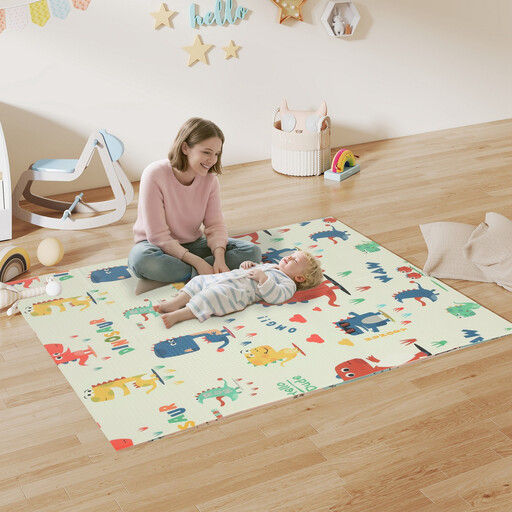
Why It Stands Out: This mat combines a large play surface with exceptional convenience. Its foldable design means it can be put away in seconds, making it a great choice for multi-use living areas. The reversible patterns also offer a simple way to refresh your child's play environment.
Pros:
Who is it for? Parents looking for a large, single-piece mat that is simple to clean, store and transport. It's particularly well-suited for the baby and crawler stages.
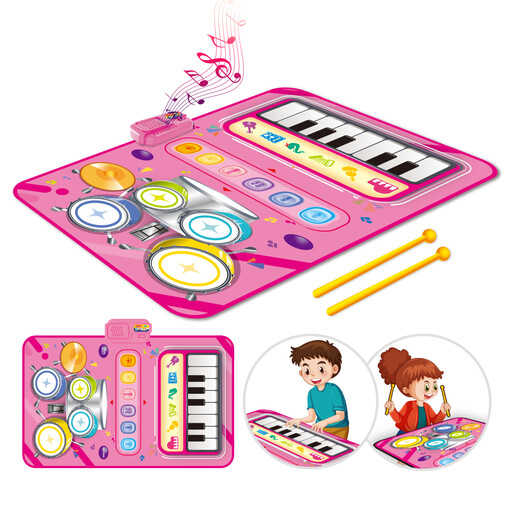
Why It Stands Out: This mat turns playtime into a performance. By combining piano keys and drum pads, it encourages active, sensory play that helps toddlers develop an understanding of rhythm and sound while improving coordination.
Pros:
Who is it for? Families with toddlers (recommended for ages 3+) who want an interactive toy that promotes physical activity and musical creativity.
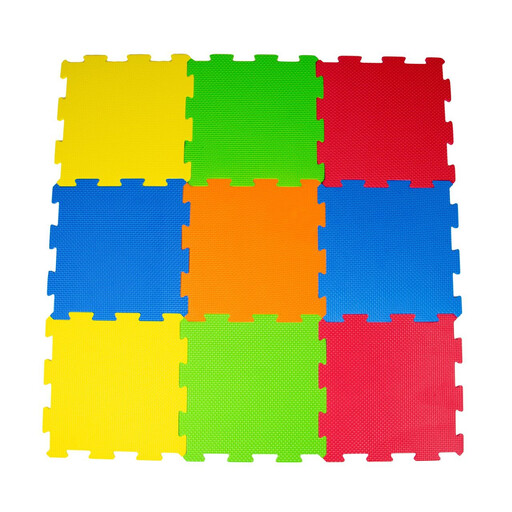
Why It Stands Out: The ultimate in customisation, this pack of interlocking foam tiles allows you to build a play area that perfectly fits your space. You can start small and add more packs as needed, creating a versatile soft play flooring solution.
Pros:
Who is it for? Those who need a flexible flooring solution for an unusually shaped room or want the ability to expand their child's play area over time.
These recommendations cover some of the most popular types of play mats, but every family's needs are unique. If you're looking for different sizes, patterns or features, there are many other styles to consider.
Explore our full collection of baby floor mats to find the perfect fit for your home.
Materials like high-density XPE and EVA foam are common choices for baby play mats. They are valued for providing excellent cushioning to soften falls, and they are typically manufactured to be non-toxic and easy to clean, creating a safer play environment.
For most everyday spills and dirt, a foam crawling mat can be cleaned by wiping it with a damp cloth and a mild, non-abrasive soap. Afterwards, wipe it with a clean, water-dampened cloth and allow it to air dry completely. Always check the manufacturer's specific care instructions first.
A soft, firm mat can be used for supervised tummy time from the newborn stage. Paediatric professionals often recommend starting with short sessions of a few minutes, several times a day, to help babies build crucial neck, shoulder and core muscle strength. As they grow, the mat continues to be a safe base for all their developmental milestones.