
24/7 Customer Support

Free returns

Same-day & Next-day Delivery

Quality Guaranteed

Unlock Your Welcome Offers: FREE Delivery | Up to 80% OFF | Free 30-day JoyPlus trial
Download the APP
As a parent, you want nothing but gentleness and safety for your little one, especially when it comes to bath time. Yet, the aisle for baby shampoo can be overwhelming, with countless bottles all promising the world. Navigating the marketing claims to find a product that is genuinely mild and effective can feel like a full-time job.
Many parents find themselves disappointed with purchases that either irritate their baby's skin or fail to manage their hair properly. Before you add another bottle to your basket, let's look at a few common pitfalls that can lead to wasted money and bath-time battles.
natural baby shampoo can still contain potential irritants or allergens. It's the full ingredient list, not the marketing buzzword, that reveals the true nature of the formula.baby shampoo and conditioner sounds like a time-saver. While great for very fine or short hair, many 2-in-1s lack the conditioning power needed for longer, thicker or curly hair, often leaving it prone to tangles and making post-bath combing a struggle.To make an informed choice, focus on the objective details of the product rather than the promises on the front of the bottle. Here are the key parameters to analyse.
A baby's skin is significantly thinner and more absorbent than an adult's, making it more susceptible to irritation. When selecting a baby shampoo for sensitive skin, scrutinising the ingredients is paramount.
newborn shampoo.Not all baby hair is the same. A one-size-fits-all approach often falls short. Consider your child's specific needs to find the right type of baby hair wash.
baby shampoo for curly hair or a separate conditioner. These products contain more moisturising ingredients like glycerin, coconut oil or shea butter to hydrate the hair shaft and make it more manageable. A good baby detangler spray can also be a lifesaver on non-wash days.cradle cap shampoo can help. These formulas often contain ingredients that gently exfoliate and moisturise the scalp to help lift the scales.Based on these practical criteria, we've matched a few standout products to common UK parenting scenarios.
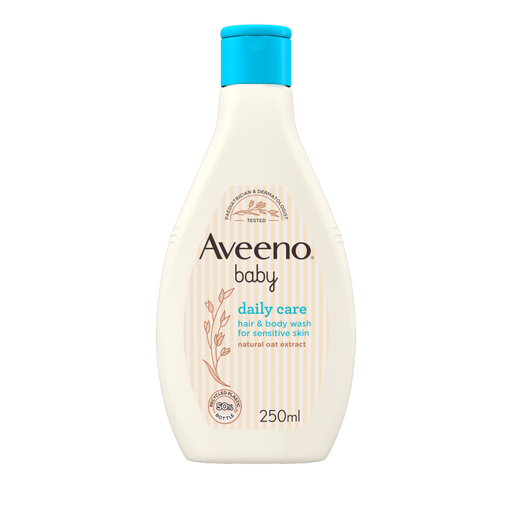
Why This Fits Their Persona: For parents of newborns, gentleness is the absolute priority. This 2-in-1 wash is specifically designed for delicate, new skin from day one. It's a trusted choice for those who want a simple, effective and very low-risk option for those first baths.
It avoids the "natural" marketing trap by focusing on a key, well-researched ingredient: natural oat. It is also explicitly pH-balanced, tear-free and free from sulphates, soaps and dyes, directly addressing the most common formulation pitfalls.
Paediatrician and dermatologist tested, providing an extra layer of reassurance. The oat-based formula is known for its soothing properties, making it suitable for daily use on sensitive skin.
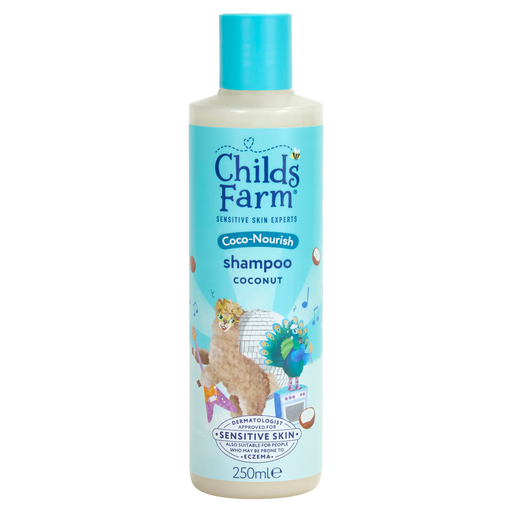
Why This Fits Their Persona: For parents of toddlers with dry, wavy or curly hair, bath time can be a battle against knots. This shampoo is a targeted solution, not a generic wash, designed specifically to hydrate and define curls, making hair more manageable.
It sidesteps the 2-in-1 convenience myth by being a dedicated shampoo. It acknowledges that curly hair needs more moisture than a combined product can often provide. For a complete routine, it pairs well with the Coco-Nourish Conditioner.
Specifically formulated for curly and coily hair types. The inclusion of coconut water provides deep hydration to help define curls and reduce frizz, making combing with a gentle baby hair brush much easier.
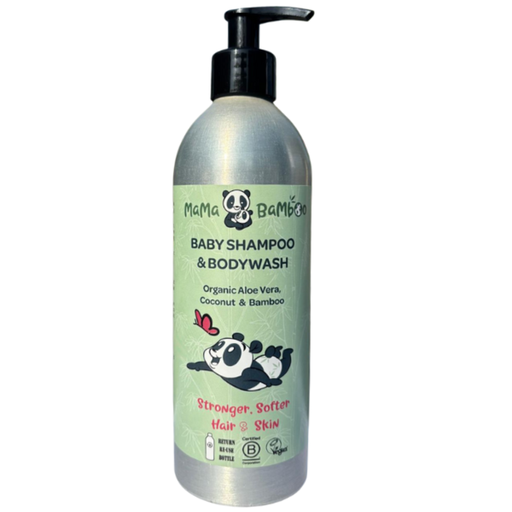
Why This Fits Their Persona: This parent values simplicity and a clutter-free bathroom but doesn't want to compromise on quality. This 2-in-1 product delivers convenience while also addressing specific concerns like cradle cap and skin irritation, making it a smart, multi-tasking choice.
While it is a 2-in-1, it avoids the trap of being ineffective by using high-quality ingredients like organic aloe vera and bamboo. Its formulation is specifically designed to naturally reduce cradle cap, offering a benefit beyond basic cleansing.
The dual-purpose formula simplifies bath time. The unique blend of bamboo, coconut oil and green mandarin is formulated to address common skin irritations, making it a proactive choice for scalp health.
We have compiled a complete, real-time list of products that fully satisfy these strict selection criteria and UK safety regulations.
For newborns and young babies, washing their hair two to three times a week is generally sufficient. Over-washing can strip the natural oils from their delicate scalp. If your baby has cradle cap or gets particularly messy, you might need to wash it more frequently with a very mild shampoo.
Cradle cap (seborrhoeic dermatitis) is a common condition that causes greasy, yellow or brown scaly patches on a baby's scalp. It is not contagious or caused by poor hygiene. While it usually clears up on its own, using a specially formulated cradle cap shampoo can help. These shampoos work by gently softening and loosening the scales, making them easier to remove with a soft baby hair brush after the bath.
The term 'tear-free' means the product is formulated to be significantly less irritating to the eyes than regular shampoo. This is done by matching the product's pH to that of tears and using very mild cleansing agents. While they drastically reduce the chance of stinging, a large amount of any substance in the eye can still cause discomfort. They make accidents much less dramatic, but it's always wise to shield your baby's eyes during rinsing.