
24/7 Customer Support

Free returns

Same-day & Next-day Delivery

Quality Guaranteed
Download the APP
Categories
Watching your baby transition from a bottle or breast to their very first cup is a significant milestone. However, the sheer variety of options on the market can be overwhelming. From spouts and straws to free-flow and no-spill designs, choosing the right baby sippy cup can feel like a major decision. This guide is designed to cut through the clutter, offering practical advice to help you find a suitable cup that supports your child's development and makes life a little easier for you.
As the Joybuy Product Recommendation Officer, my role is to help you navigate these choices with clear, objective information.
Before looking at specific products, it helps to understand the key features that differentiate one cup from another. Focusing on your child's needs and your own practical requirements will simplify the selection process.
The ideal first cup for a baby depends heavily on their developmental stage.
Safety is paramount when choosing any product for your child. In the UK, baby feeding products must adhere to strict safety standards. A key feature to look for is a BPA free sippy cup. Bisphenol-A (BPA) is a chemical that has been widely phased out of baby products due to health concerns. Always check that the cup is made from food-grade, non-toxic materials.
A cup that is difficult to use or clean will quickly become a source of frustration.
Based on their design features and suitability for different developmental stages, here are a few standout options to consider.
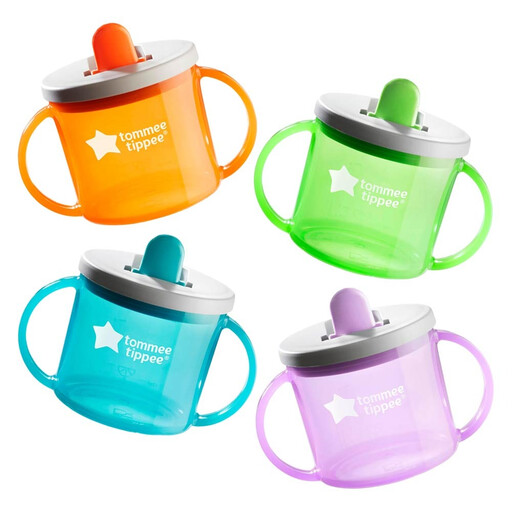
Why It Stands Out: This cup is a classic choice for a reason. Its free-flow spout is specifically designed to help babies learn the fundamental skill of tipping and sipping, preparing them for an open cup. The simple, two-part construction makes it exceptionally easy to clean.
Pros:
Who is it for?: Parents introducing a cup to their baby for the first time (around 4+ months). It is an ideal first cup for baby focused on development rather than spill prevention during active use.
View the Tommee Tippee First Cup on Joybuy.co.uk
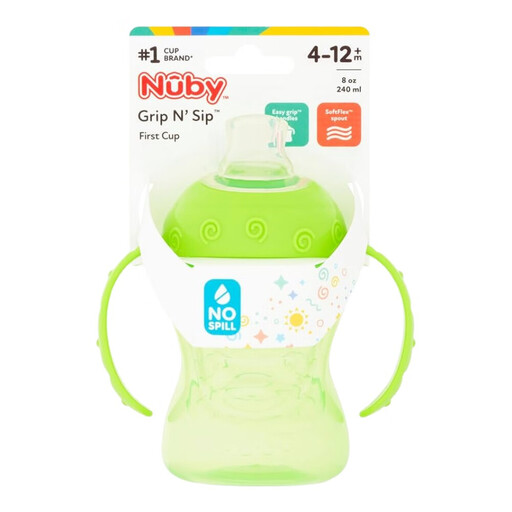
Why It Stands Out: The Nuby Grip 'n' Sip focuses on combining a gentle drinking experience with spill-resistant technology. The SoftFlex silicone spout is soft on sensitive gums, while the integrated TouchFlo valve only allows liquid to flow when the baby is actively drinking, minimising mess.
Pros:
Who is it for?: Caregivers looking for a reliable no spill sippy cup for babies aged 4 months and up. It’s a great transitional cup that offers a familiar soft texture similar to a bottle teat.
Explore the Nuby Grip 'n' Sip Cup on Joybuy.co.uk
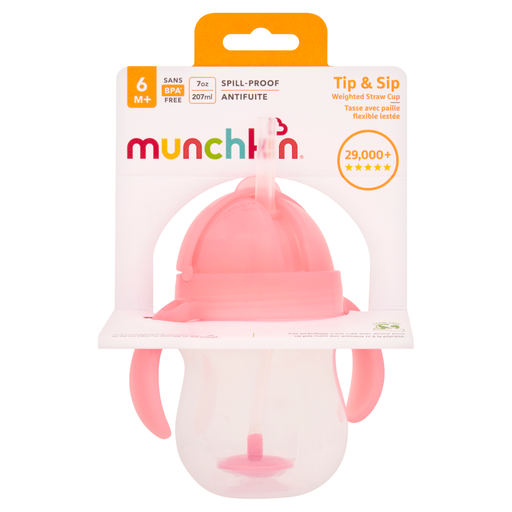
Why It Stands Out: This toddler training cup is engineered for active little ones. The clever weighted straw moves with the liquid, allowing your child to drink from any angle—even when the cup is tilted upside down. The brand's Click Lock system provides an audible click to confirm the lid is locked securely, offering peace of mind against leaks.
Pros:
Who is it for?: Parents of babies from 6 months onwards who are ready to master straw drinking. It is an excellent choice for toddlers, ensuring they can stay hydrated without frustration or mess.
Discover the Munchkin Tip & Sip Cup on Joybuy.co.uk
Every child has unique preferences, and what works for one may not work for another. The products highlighted here are just a starting point. If you are looking for different styles, sizes or features, there are many other choices available.
For a wider selection of trainer cups and bottles, browse our full baby sippy bottle collection to find the perfect match for your little one.
1. When should I introduce a sippy cup? Most paediatric health advisors suggest introducing a cup around the 4 to 6-month mark, typically when you begin weaning onto solid foods. Signs of readiness include being able to sit up with support and showing an interest in what you are eating and drinking. A simple sippy cup 4 months model is a good place to start.
2. Are straw cups or spout cups better for development? Both have their benefits. Spout cups can be an easier transition from a bottle due to the similar sucking action. However, many dentists and speech therapists favour straw cups or open cups, as they help develop different oral muscles important for speech development. It can be beneficial to offer both and see which your child prefers.
3. How can I ensure my baby's sippy cup is truly leak-proof? To minimise spills, look for cups with specific leak-proof features like screw-on lids with silicone seals, pressure-activated valves or flip-top covers. Always ensure you have assembled the cup correctly according to the manufacturer's instructions, as an improperly fitted valve or seal is a common cause of leaks.