
24/7 Customer Support

Free returns

Same-day & Next-day Delivery

Quality Guaranteed

Unlock Your Welcome Offers: FREE Delivery | Up to 80% OFF | Free 30-day JoyPlus trial
Download the APP
Navigating the baby snack aisle can feel like a minefield for even the most seasoned parent. Shelves are packed with colourful pouches and boxes, all promising wholesome, nutritious goodness for your little one. Yet, the reality is often a mix of confusing labels, hidden ingredients and textures that aren't quite right for your child's developmental stage. As a Joybuy Product Recommendation Officer, my role is to help you see past the marketing and focus on what truly matters.
Many parents find themselves caught in a few common traps. The first is the "healthy halo" effect, where terms like "organic" or "natural fruit" can mask high levels of concentrated sugars. Another frequent pitfall is misleading age guidance; a snack labelled for a six-month-old might have a texture that’s too firm, posing a potential choking hazard for a baby just starting their weaning journey. Finally, there's the allergen minefield, where a "free-from" claim on the front doesn't always tell the whole story hidden in the small print on the back.
This guide will break down the essential factors to consider, helping you choose safe, appropriate and genuinely healthy baby snacks for every stage, from first finger foods to toddler lunchbox fillers.
Before you add anything to your basket, it’s worth understanding a few core parameters. Focusing on these will help you make a confident choice every time.
A snack's texture is paramount for safety and development. It’s not a one-size-fits-all situation.
The front of the pack tells a story, but the ingredient list tells the facts. When looking for healthy baby snacks, here’s what to scrutinise:
Based on these practical criteria, here are a few standout options that align with the needs of different families.
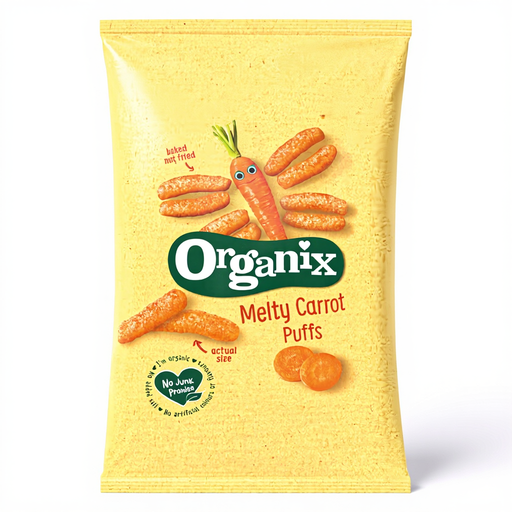
Why This Fits Their Persona: For parents starting the weaning journey, safety is the top priority. These puffs are specifically designed for that initial 6 month baby snacks stage, offering peace of mind as your little one explores their first finger foods.
It directly counters the "misleading age guidance" pitfall. The texture is genuinely soft and dissolves quickly, making it appropriate and safe for a 6-month-old who is just learning to manage solids.
Made with organic corn and carrot powder with no added salt. The chunky shape is easy for little hands to grip, encouraging self-feeding.
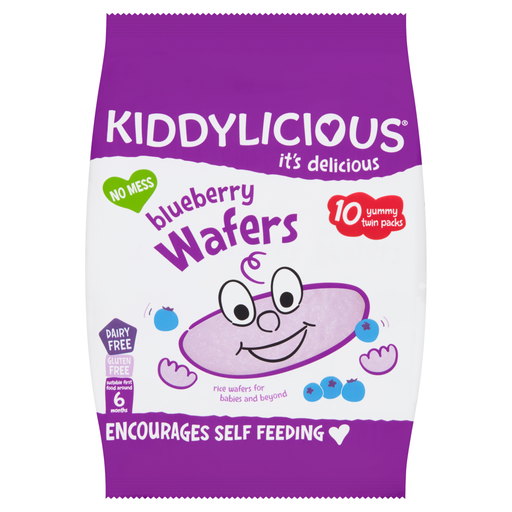
Why This Fits Their Persona: For parents managing allergies, clear labelling is crucial. This specific pack of Kiddylicious wafers is explicitly formulated to be free from multiple common allergens, offering a trusted option for sensitive tummies.
It navigates the "allergen minefield" with clarity. The packaging states "no gluten, dairy, nuts or eggs," which is confirmed by the ingredient list. This is a great example of why checking each product is vital, as other versions may differ.
A safe choice for coeliacs and those with dairy intolerance. The light, mess-free wafer is gentle on teething gums and dissolves easily.
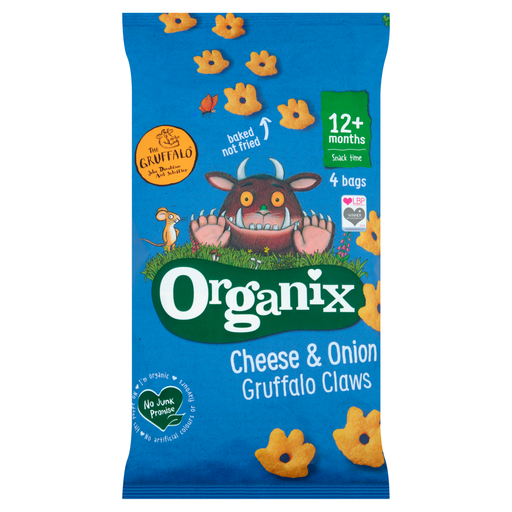
Why This Fits Their Persona: Parents of active toddlers need convenient, engaging and robust toddler snacks. The fun shape and satisfying crunch keep little ones happy, while the individual bags are perfect for popping into a bag for a day out.
This snack avoids the trap of being a less-healthy savoury option. It has no added salt and is baked, not fried. The flavour comes from real organic cheese and onion powder, offering a more balanced choice than adult crisps.
Portion-controlled multipack prevents over-snacking and waste. The crunchy texture is satisfying for toddlers, and the product is gluten-free and vegetarian.
We have compiled a complete, real-time list of products that fully satisfy these strict selection criteria and UK safety regulations.
You can typically introduce finger food snacks at around 6 months, once your baby has started weaning, can sit up independently and shows an interest in self-feeding. Always begin with age-appropriate textures, such as soft-cooked vegetables or snacks designed to melt in the mouth and ensure your baby is supervised while eating.
They can be a good source of flavour and energy, but it's important to read the label. Snacks made from whole, puréed fruit are preferable to those made with fruit juice concentrates, which are a source of free sugars. Like all foods, they are best offered as part of a varied and balanced diet.