
24/7 Customer Support

Free returns

Same-day & Next-day Delivery

Quality Guaranteed

Unlock Your Welcome Offers: FREE Delivery | Up to 80% OFF | Free 30-day JoyPlus trial
Download the APP
Welcoming a newborn into your home is a time of immense joy, but it also comes with a long list of preparations. One item that often appears on a new parent's list is a baby swaddle. Swaddling is a long-standing practice of snugly wrapping a baby in a blanket to help them feel secure, mimicking the comfort of the womb. This can help calm their natural startle reflex, potentially leading to longer, more restful sleep for both baby and you.
However, the market is filled with options, from traditional blankets to modern wraps. This guide is designed to help you understand the key features to look for in a newborn swaddle and to highlight a few carefully selected options that prioritise comfort, safety and convenience.
Choosing the right swaddle involves more than just picking a nice pattern. Here are a few practical points to consider to ensure your baby is comfortable and safe.
A baby's skin is delicate, and they are not yet able to regulate their body temperature effectively. For this reason, the material of your swaddle is crucial. Look for soft, breathable fabrics like cotton. An organic cotton swaddle is often a popular choice as it is grown without synthetic pesticides or fertilisers. A breathable weave allows air to circulate, reducing the risk of overheating, which is a key safe sleep consideration.
A swaddle should be snug around the upper body but allow for plenty of movement in the legs and hips. A hip healthy swaddle design is recognised as one that lets a baby's legs fall into a natural 'frog-like' position. This is important for proper hip development. Many modern swaddles and sleep sacks are specifically designed with a wider bottom section to accommodate this.
There are two main categories of swaddles:
Here are a few recommendations that cater to different needs, from parents who prefer traditional methods to those looking for modern convenience.

Why It Stands Out: This is a premium take on the classic muslin square. Made from GOTS certified organic cotton, these swaddles are 25% thicker than standard muslin, offering extra softness and durability while maintaining excellent breathability. Their large 120cm x 120cm size makes them incredibly versatile for swaddling, tummy time, or as a stroller cover.
Pros:
Who is it for?: Parents who appreciate high-quality, organic materials and want a multi-use product that will last well beyond the swaddling stage.
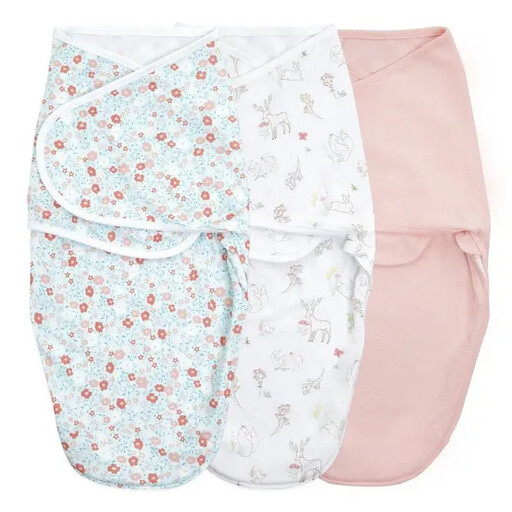
Why It Stands Out: For parents who find traditional swaddling a bit tricky, this swaddle wrap offers a simple and secure solution. The hook-and-loop fasteners make it easy to get a snug fit that helps contain the startle reflex. A key feature is the zip at the bottom, which allows for nappy changes without having to unwrap the baby's arms and torso, minimising sleep disruption.
Pros:
Who is it for?: New parents or anyone looking for a fuss-free way to swaddle their baby securely, especially during the night.

Why It Stands Out: The HALO sleepsack is a well-regarded name in safe sleep, and this product shows why. Its unique 3-way adjustable design allows you to swaddle with arms in, hands-to-face or one or both arms out. This makes it an excellent tool for gradually transitioning your baby out of swaddling when the time comes. The "Back is Best" embroidery is a gentle reminder of safe sleep practices.
Pros:
Who is it for?: Safety-conscious parents who want a versatile swaddle that can help transition their baby to a regular sleep sack.
These recommendations are a great starting point, but every baby and family is different. If you're looking for different materials, TOG ratings or designs, there are many other choices available.
Explore our full collection of cotton swaddle options to find the perfect fit for your little one.
1. When should you stop swaddling a baby? You should stop swaddling as soon as your baby shows signs of being able to roll over, which can happen anywhere from 2 to 4 months of age. Once they can roll, a swaddle can restrict their movement and increase risk if they end up face down. At this point, it's time to transition to a baby sleep sack without the arm restrictions.
2. Is it safe to swaddle a newborn? Yes, when done correctly, swaddling is considered safe and can be beneficial for a newborn swaddle. Always follow safe sleep guidelines: place your baby on their back to sleep, use a firm sleep surface and keep the cot free of loose blankets, pillows and toys. Ensure the swaddle is not too tight around the hips and chest and that the baby does not overheat.
3. What TOG swaddle should I use? TOG (Thermal Overall Grade) is a unit of measurement for insulation and warmth. A higher TOG rating means a warmer product. A general guide for the UK is:
Always check your baby to make sure they are not too hot or too cold by feeling their chest or the back of their neck.