
24/7 Customer Support

Free returns

Same-day & Next-day Delivery

Quality Guaranteed

Unlock Your Welcome Offers: FREE Delivery | Up to 80% OFF | Free 30-day JoyPlus trial
Download the APP
As a parent, you make countless decisions every day. Choosing the right baby wipes might seem like a small one, but with a dizzying array of options on the shelf, it can feel surprisingly complex. From nappy changes to sticky fingers, wipes are a daily essential. However, not all wipes are created equal, and navigating the marketing claims can be a challenge.
This guide, from your Joybuy Product Recommendation Officer, is designed to cut through the clutter. We'll highlight the common purchasing pitfalls that lead to wasted money and potential skin irritation and show you what truly matters when selecting the right wipes for your family.
Before you add a pack to your basket, be aware of these frequent marketing tactics and design flaws:
To make an informed choice, focus on these core parameters. They are the true indicators of a wipe's quality and suitability for your baby.
The material of the wipe itself is a major differentiator. Many conventional wipes contain plastics like polyester, which do not biodegrade and contribute to microplastic pollution.
A growing number of brands now offer plastic free baby wipes made from plant-based fibres such as wood pulp (cellulose), cotton or bamboo. These materials are not only softer on the skin but are also biodegradable, making them a more environmentally conscious choice.
For newborn baby wipes and sensitive baby wipes, the shorter the ingredients list, the better. A baby's skin barrier is still developing, making it more susceptible to irritation.
For the earliest days, many parents prefer to use simple baby cotton wool and warm water. Products like the Nutmeg Cotton Wool Pleat are perforated for easy use and provide the gentlest clean for brand-new skin.
Functionality is just as important as the formula. Poor packaging can render a good product useless.
Based on the criteria above, we've matched some standout products to different parenting needs. These recommendations focus on objective features and practical benefits.
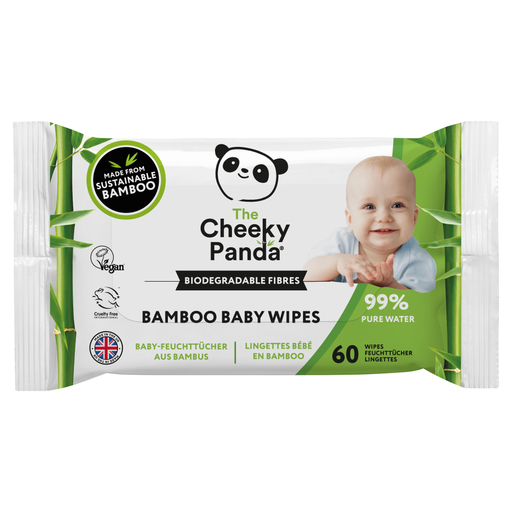
Why This Fits Their Persona: This is an ideal choice for families in the UK looking to minimise their environmental impact. The use of sustainable bamboo and a fully biodegradable wipe aligns with a green lifestyle without compromising on performance.
It sidesteps the "natural" illusion by being genuinely plastic-free and made from 100% FSC-certified bamboo. The formula is fragrance-free, avoiding the unnecessary additives trap.
The primary material, bamboo, is a highly renewable resource. The wipes are certified vegan and cruelty-free, offering ethical peace of mind.

Why This Fits Their Persona: For parents of newborns or children with eczema or highly reactive skin, purity is non-negotiable. This wipe's minimal formula is as close as you can get to using cotton wool and water, but with the convenience of a wipe.
This product is the definition of avoiding the "pure" illusion. Its claim is its verifiable formula: 99.9% purified water and a drop of fruit extract. It contains no fragrance, alcohol or other common irritants.
The plant-based, plastic-free wipe material is soft and strong. It is also approved by the Skin Health Alliance and recognised by Allergy UK.

Why This Fits Their Persona: For families with multiple children or those who simply want to be well-stocked, buying in bulk is the most economical choice. This large pack provides a long-lasting supply of a gentle, reliable wipe from a trusted brand.
While it's a bulk purchase, the 24 individual packs feature reliable resealable lids, preventing the common pitfall of wipes drying out. The 99% pure water formula is also free from fragrance, making it a safe, simple choice.
This pack offers an excellent cost-per-wipe value. The wipes are made from 100% naturally derived fibres, making them plastic-free and gentle on skin.
We have compiled a complete, real-time list of products that fully satisfy these strict selection criteria and UK safety regulations.
Are baby wipes safe to use on a newborn's face and hands? Yes, provided you choose the right type. Look for wipes specifically formulated for sensitive skin, such as those that are water-based, fragrance-free and hypoallergenic. Always check the packaging, but options marketed as sensitive baby wipes are generally designed for safe all-over use on the face, hands and body.
My baby wipes keep drying out. How can I prevent this? This is a common frustration. The most effective method is to ensure the pack's plastic lid or adhesive seal is clicked shut firmly after every single use. For an extra measure, try storing the pack upside down; gravity will help keep the top wipes moist. If you buy bulk baby wipes, only open one pack at a time to maintain the freshness of the others.
What is the real difference between 'biodegradable' and 'plastic-free' wipes? 'Plastic-free' means the wipe material itself contains no synthetic plastics like polyester. They are typically made from natural plant fibres like wood pulp, cotton or bamboo. 'Biodegradable' means the material can be broken down by microorganisms over time. While most plastic free baby wipes are also biodegradable, the term doesn't guarantee a specific timeframe. Most importantly, neither term means the wipe is flushable. Always dispose of used wipes in a household waste bin.