
24/7 Customer Support

Free returns

Same-day & Next-day Delivery

Quality Guaranteed

Unlock Your Welcome Offers: FREE Delivery | Up to 80% OFF | Free 30-day JoyPlus trial
Download the APP
As a parent or caregiver, you want to make the right choices for your little one, and that extends to everyday essentials like baby wipes. The shelves are filled with options, all promising to be gentle and effective. Yet, navigating the marketing claims can be confusing, and it's easy to end up with a product that isn't quite right for your baby's skin or your family's values.
Here at Joybuy, our role is to help you see past the hype. We've identified a few common pitfalls that UK parents encounter when buying baby wipes, so you can make a more informed decision.
To avoid these traps, focus on a few core parameters. These objective details will tell you more about a product's quality and suitability than any marketing slogan.
For newborn wipes and sensitive baby wipes, the ingredient list is paramount. The most suitable options often have the shortest lists.
The material of the wipe itself is just as important as the liquid it's soaked in.
Based on these practical criteria, we've matched a few standout products to different parenting needs.

Why This Fits Their Persona: For parents who want absolutely no unnecessary ingredients touching their newborn's skin. This is the go-to for ultimate purity, especially during the first few weeks or for babies with extremely sensitive or eczema-prone skin.
It cuts through the "pure" and "sensitive" ambiguity with a transparent, two-ingredient formula. There's no room for hidden irritants.
Formulated with 99.9% purified water and a drop of fruit extract. The wipe material is plant-based and plastic-free.
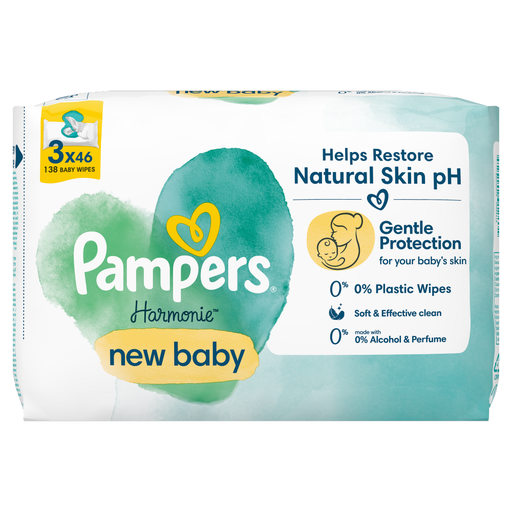
Why This Fits Their Persona: This user wants a reliable, gentle wipe from a known brand but makes sustainability a top priority. They actively seek out plastic-free alternatives to reduce their family's environmental footprint.
It directly addresses the hidden plastic problem by clearly stating its plastic-free composition, made with natural ingredients and organic cotton.
Combines a 99% natural ingredient formula with a soft, organic cotton feel. It is dermatologically tested and hypoallergenic for newborn skin.

Why This Fits Their Persona: This parent needs a durable, effective wipe that holds up to serious messes but is still exceptionally gentle. They buy in bulk and appreciate a thicker wipe that means using fewer per change, offering great performance and value.
It backs up its "sensitive" claim with OEKO-TEX certification for skin safety. The unscented, 99% water formula is also plastic-free and biodegradable.
Reported to be 3 times thicker than many standard wipes, providing durability and better cleaning with less friction. This 12-pack offers excellent value.
We have compiled a complete, real-time list of products that fully satisfy these strict selection criteria and UK safety regulations.
No. Even if a product is labelled "flushable," it is strongly advised not to flush any type of wipe in the UK. They do not break down in the same way as toilet paper and are a leading cause of blockages in household pipes and public sewer systems, leading to costly repairs and environmental issues known as "fatbergs." Always dispose of used wipes in a rubbish bin.
The primary difference is the ingredient list. Water wipes are defined by their minimalist formula, typically containing 99% or more water and a single conditioning agent. Other sensitive baby wipes are also formulated to be gentle but may include a wider range of ingredients like pH balancers, gentle cleansers and moisturisers such as aloe vera. Both are free from common irritants like alcohol and fragrance, but water wipes represent the most stripped-back option.
Most manufacturers recommend using a pack of wipes within four weeks of opening to ensure they remain moist and effective. Always reseal the pack tightly after each use, using the sticker or plastic lid. Storing them in a cool, dry place away from direct sunlight also helps maintain their quality.