
24/7 Customer Support

Free returns

Same-day & Next-day Delivery

Quality Guaranteed

Unlock Your Welcome Offers: FREE Delivery | Up to 80% OFF | Free 30-day JoyPlus trial
Download the APP
As a parent, you go through an astonishing number of baby wipes. They are an indispensable part of daily life, used for everything from nappy changes to wiping sticky hands and faces. Yet, the sheer variety on the shelves can be overwhelming, and marketing claims often add to the confusion. Many parents find themselves spending money on products that either irritate their baby's skin or don't align with their family's values. Before you make your next purchase, it's worth understanding the common pitfalls that can lead to a poor choice.
Here are three frequent traps to be aware of:
To make an informed decision, focus on a few core parameters rather than marketing slogans. These factors will help you find a product that is safe for your child, effective for cleaning and aligned with your budget and environmental concerns.
The material of the wipe itself is one of the most important considerations. Wipes are generally made from either plastic-based fibres or plant-based fibres.
For newborns and babies with sensitive skin, the formula is non-negotiable. A simple, clean ingredients list is always preferable.
To help you navigate the options, we've matched some reliable products to common parenting needs. These selections are based on their clear specifications and suitability for different priorities.

Why This Fits Their Persona: When your baby's skin is at its most delicate, especially in the newborn stage or if they have eczema-prone skin, a minimalist formula is paramount. These wipes are designed with that specific need in mind.
It cuts through the vague "pure" marketing trap by having a transparent, two-ingredient formula: 99.9% purified water and a drop of grapefruit seed extract. There is no ambiguity.
The wipe material is plant-based and plastic-free. It is also dermatologically approved by the Skin Health Alliance, offering reassurance for use on the most sensitive skin.
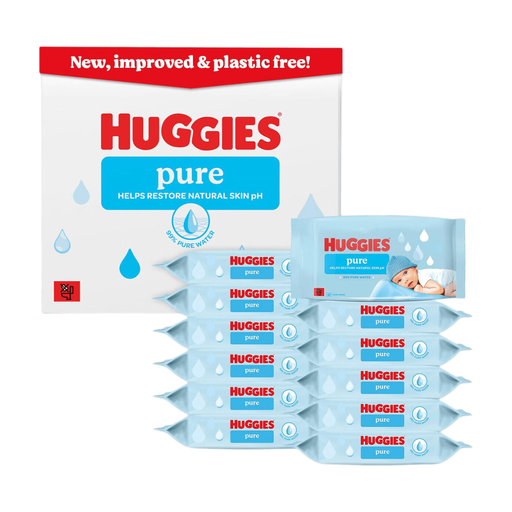
Why This Fits Their Persona: For families actively trying to reduce their household plastic waste, finding a wipe that performs well without contributing to pollution is a top priority. This product directly meets that need.
It tackles the hidden plastic trap head-on by being made with 0% plastic and 100% naturally derived fibres. This is clearly stated, providing confidence in its environmental credentials.
Alongside being plastic-free, the wipes are hypoallergenic, fragrance-free and made with 99% pure water, making them gentle enough for newborns while still being an eco-conscious choice.
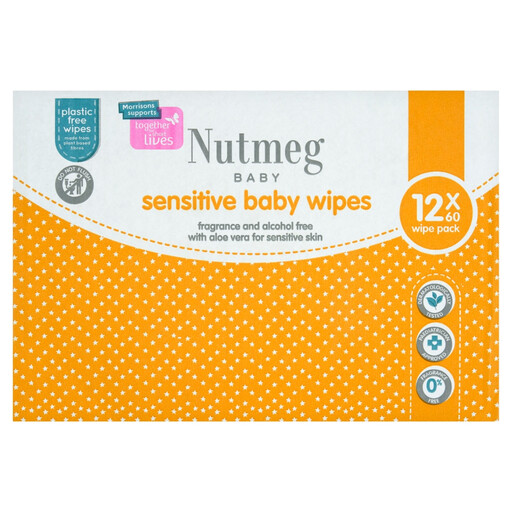
Why This Fits Their Persona: Families who use a high volume of wipes need a cost-effective solution that doesn't compromise on quality or skin safety. Buying bulk baby wipes like this multi-pack offers excellent value for money.
This option proves that affordability doesn't mean accepting hidden plastics or harsh chemicals. It is explicitly plastic-free, fragrance-free and hypoallergenic, avoiding multiple common pitfalls at once.
These wipes are dermatologist-tested and made from plant-based fibres. The convenient 12-pack format ensures you have a long-lasting supply, reducing frequent shopping trips.
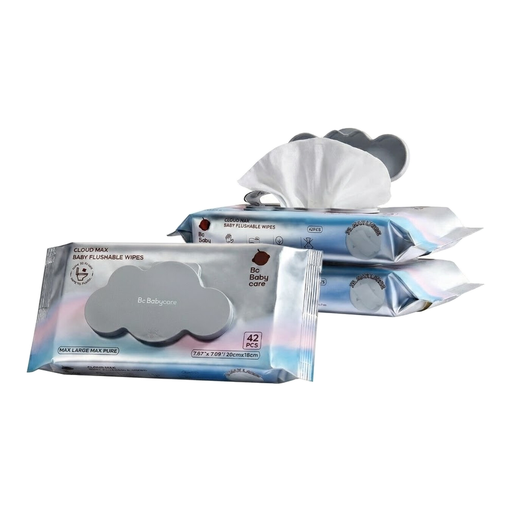
Why This Fits Their Persona: During potty training, toddlers need a wipe that helps them clean up effectively and independently. A genuinely flushable option simplifies the process and teaches good hygiene habits.
This product directly solves the "flushable" fallacy. It is certified by the International Water Services Flushability Group (IWSFG), which is the standard to look for to ensure a wipe is safe for UK sewers.
These flushable toilet wipes are made from 100% plant-based fibres and are hypoallergenic, making them gentle enough for a toddler's sensitive skin during this transitional phase.
Choosing the right baby wipe is just one part of creating a gentle care routine. Products like a tear-free baby shampoo or a mild top-to-toe wash are also key baby bath essentials that help protect your little one's skin.
We have compiled a complete, real-time list of products that fully satisfy these strict selection criteria and UK safety regulations.
For newborn skin, which is incredibly delicate and has a developing skin barrier, simpler is almost always better. Wipes with a high water content (99%+) and minimal ingredients, like water wipes, are an excellent choice as they are less likely to cause irritation. They provide a gentle clean that is very similar to using cotton wool and water, but with more convenience.
You should only ever flush wipes that are explicitly certified as "Fine to Flush" in the UK or have a clear certification from a recognised body like the IWSFG. If the packaging does not display this certification, you should assume it is not safe to flush and dispose of it in a bin. Flushing non-certified wipes can lead to serious blockages in your home's plumbing and the public sewer system.
The primary difference lies in the formulation. Sensitive baby wipes are specifically formulated to minimise the risk of skin irritation. This typically means they are unscented, alcohol-free and hypoallergenic. Regular wipes may contain fragrances or other ingredients that are perfectly fine for most babies but could be problematic for those with sensitive or eczema-prone skin.