
24/7 Customer Support

Free returns

Same-day & Next-day Delivery

Quality Guaranteed

Unlock Your Welcome Offers: FREE Delivery | Up to 80% OFF | Free 30-day JoyPlus trial
Download the APP
The aroma of freshly baked goods is one of life’s simple pleasures, but the reality of a busy schedule often gets in the way. Baking mixes offer a brilliant shortcut, promising homemade taste without the hassle of measuring flour and sugar. However, not all mixes are created equal. As a Joybuy Product Recommendation Officer, my role is to help you navigate the options and find products that deliver on their promises.
Many of us have been caught out by a few common pitfalls. You might grab a "just add water" mix, only to find the instructions also call for eggs, oil and a splash of milk you don't have. Or perhaps that "family-sized" brownie mix yields portions barely bigger than a biscuit. It’s easy to feel let down when the result doesn’t match the picture on the box. Let's look at how to choose wisely and get the satisfying results you're after.
To avoid disappointment, focus on a couple of key details on the packaging. These will tell you far more than the glossy marketing photos.
The convenience of a baking mix hinges on what you need to add to it. While some are true just add water cake mix or bread mix varieties, many require additional fresh ingredients.
Before you buy, check the back of the pack for the "All you need" section. This ensures you have everything on hand and helps you factor in the total cost and effort involved.
A common frustration is misleading portion guidance. A box promising 12 cupcakes might assume you're using miniature cases. To get a realistic idea of the final output, look at the net weight of the dry mix.
Comparing the net weight to the number of servings gives you a much clearer picture of what you'll be getting, helping you choose the right pack size for a family breakfast versus a solo treat.
Instead of a one-size-fits-all approach, we've matched some reliable baking mixes to different needs and lifestyles.
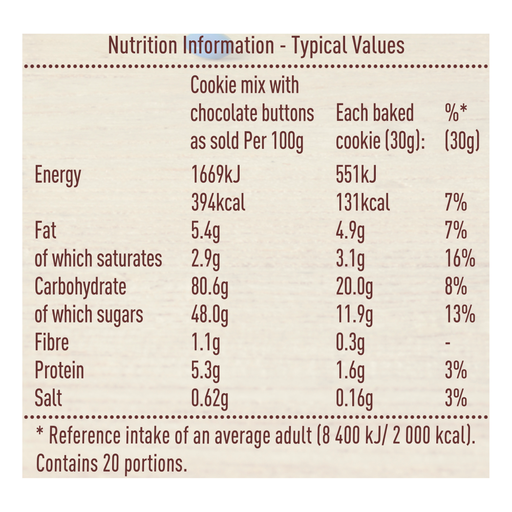
Why This Fits Their Persona: Perfect for a quick, fun weekend or after-school activity. The colourful chocolate chips make it instantly appealing to children, and the reliable results mean no tears over a failed bake. It's a simple way to create happy memories in the kitchen.
The 495g pack size provides a substantial batch of cookies, avoiding the "disappointing portion" pitfall. The instructions are clear about needing butter and an egg, so there are no surprises.
The mix includes colourful chocolate chips, adding visual appeal and fun for kids. It's a trusted brand known for consistent, easy-to-achieve results.

Why This Fits Their Persona: For those who want to serve an impressive, decadent dessert without spending hours in the kitchen. This mix produces a rich, moist fudge cake that tastes like it came from a local bakery, making it perfect for dinner parties or special family teas.
This mix sidesteps the "premium label, poor quality" trap. From a family-run mill, it uses quality ingredients to deliver a genuinely rich flavour and dense, fudgy texture that stays fresh for days.
Ultimate convenience—just add water and oil. The 500g mix makes a substantial cake, offering excellent value and a consistently professional-standard result.
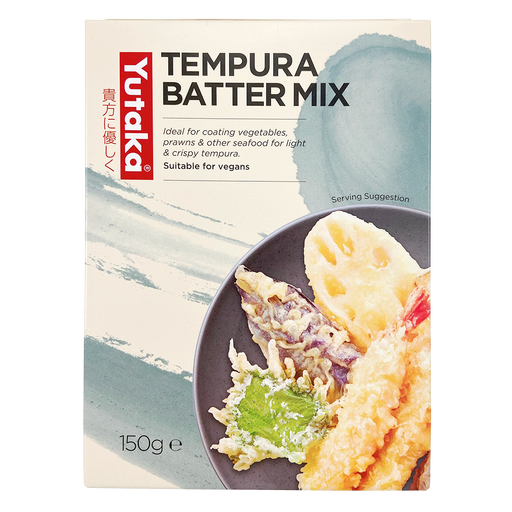
Why This Fits Their Persona: For the home cook who loves trying new things and wants to recreate authentic international dishes. This **tempura batter mix** makes it simple to achieve the light, crispy coating for prawns and vegetables that is the hallmark of Japanese cuisine.
This is a purpose-built, speciality product. It isn't a generic flour mix with a fancy label; it's specifically formulated to deliver the unique, airy crunch of real tempura, a texture that is difficult to achieve from scratch.
Removes the guesswork from making tempura. Just add cold water for a batter that produces a consistently light and crispy, restaurant-style finish every time.
We have compiled a complete, real-time list of products that fully satisfy these strict selection criteria and UK safety regulations.
1. How can I make my cake mix taste less 'from a box'? A few simple swaps can elevate any standard cake mix. Try using whole milk or buttermilk instead of water for a richer taste. For a denser, more flavourful crumb, use melted butter in place of vegetable oil. Adding an extra egg is another popular trick for a richer, more homemade texture.
2. Can I use a bread mix without a bread machine? Absolutely. Most modern home baking kits for bread, such as those from Wrights bread mix, include instructions for both hand-baking and machine-baking. The process for hand-baking is straightforward: simply mix, knead, prove and bake. Always check the packaging for the correct water quantities, as they can differ slightly between methods.
3. How should I store an opened packet of baking mix? Once opened, it's important to protect the mix from moisture and air. Roll the top of the bag down, secure it with a clip and store it in a cool, dry cupboard. For longer-term storage, transfer the mix to an airtight container. This is especially important for bread mixes, as air exposure can reduce the effectiveness of the included yeast.