
24/7 Customer Support

Free returns

Same-day & Next-day Delivery

Quality Guaranteed

Unlock Your Welcome Offers: FREE Delivery | Up to 80% OFF | Free 30-day JoyPlus trial
Download the APP
Making more sustainable choices at home is becoming a priority for many UK households. From reusable coffee cups to energy-saving light bulbs, small changes can make a difference. One area gaining attention is the bathroom, specifically the humble toilet roll. If you're considering a switch to bamboo toilet paper, you're likely weighing up its environmental benefits against practical concerns like softness, strength and value for money.
This guide is designed to help you navigate the options. We'll explore what to look for in an eco-friendly toilet roll and highlight a few noteworthy products to help you find a suitable match for your family's needs, whether you prioritise skin-friendly comfort, plastic-free packaging or buying in bulk.
Finding the right toilet roll involves balancing several factors. Here are a few key points to keep in mind during your search.
The 'ply' refers to the number of layers per sheet. While a higher ply count often suggests a plusher feel, the material and texture also play a significant role.
The material is a crucial factor, especially for those with delicate skin. Traditional toilet paper is made from virgin wood pulp, while alternatives use recycled paper or fast-growing plants like bamboo.
Bamboo is a popular sustainable toilet roll material because it grows quickly and requires fewer resources than trees. It's also naturally hypoallergenic and can be processed without harsh chemicals like chlorine, making it a gentle option for toilet paper for sensitive skin. Look for products that are free from inks, dyes and fragrances.
For many, convenience and reducing waste go hand-in-hand. Buying bulk toilet rolls not only means fewer trips to the shop but can also offer better value. Pay attention to the packaging itself. Many brands are now moving towards plastic-free toilet paper packaging, using paper wraps and cardboard boxes to minimise their environmental footprint.
Here are a few different types of toilet tissue that cater to various preferences, from ultimate softness to sustainable materials.

Why It Stands Out: While not a bamboo product, Andrex Ultimate Quilts serves as a useful benchmark for luxurious softness. Its unique Air Pocket texture is designed for maximum cushioning, and it holds an endorsement from the British Skin Foundation.

Why It Stands Out: This toilet roll is made from 100% bamboo fibre and is a great example of a product that combines sustainability with quality. The brand is known for its commitment to the environment, right down to its 100% plastic-free paper packaging.
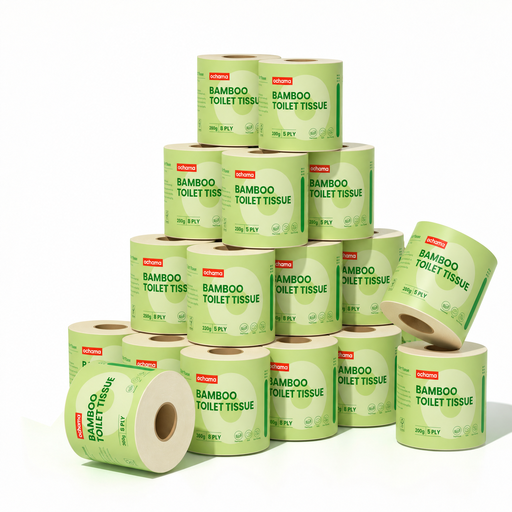
Why It Stands Out: With a five-layer construction, this Ochama bamboo toilet paper is designed for superior strength and absorbency. It offers a premium, cushioned experience while still being made from unbleached bamboo pulp.
The world of sustainable household goods is always expanding. If you're interested in exploring a wider variety of eco-conscious choices, from recycled paper to other bamboo brands, you can find more options in our curated collection.
[Explore our full range of Natural Toilet Paper here](https://www.joybuy.co.uk/explore/natural-toilet-paper/bCNloNkZ)
The softness of toilet paper depends more on the manufacturing process than just the raw material. High-quality bamboo toilet paper can be just as soft, if not softer, than many mid-range wood pulp options. Products with a higher ply count, like 3-ply or 5-ply bamboo rolls, are specifically designed to offer a very soft toilet paper experience.
Bamboo fibres are highly biodegradable and break down efficiently in water. As such, bamboo toilet paper is generally considered safe for standard UK plumbing and septic systems. However, with any particularly thick toilet paper, regardless of material, it is always sensible to be mindful of your toilet's flushing power and avoid flushing excessive amounts at once.
Bamboo has several environmental advantages over traditional wood pulp. It is a type of grass that can grow to maturity in just a few years, compared to the decades it takes for trees. It requires no pesticides or fertilisers and regenerates from its own roots, which helps prevent soil erosion. When sourced responsibly, it is widely considered a very sustainable toilet roll material.