
24/7 Customer Support

Free returns

Same-day & Next-day Delivery

Quality Guaranteed
Download the APP
Categories
Making more sustainable choices at home is becoming a priority for many of us. From the food we eat to the energy we use, small changes can make a significant difference. One simple switch that is gaining attention is moving from traditional tree-pulp toilet paper to bamboo toilet paper. If you're concerned about deforestation, harsh chemicals or finding a gentle option for your family, you've likely considered making the change.
This guide is designed to help you navigate the growing market for eco-friendly toilet paper. We'll outline what to look for and share some of our top recommendations to help you find a product that suits your household's needs for comfort, quality and sustainability.
When selecting a bamboo toilet roll, a few key features can help you determine its quality and suitability. Keeping these points in mind will ensure you find a product that meets your expectations.
The comfort of toilet paper is often determined by its ply count and texture. A 3-ply toilet paper is generally thicker and softer than a 2-ply equivalent, offering a more cushioned feel and better absorbency. Some rolls also feature quilting or embossing, which creates a plusher texture and can improve strength. If you're looking for a truly soft toilet paper, checking the ply and any textural enhancements is a good place to start.
For those with allergies or toilet paper for sensitive skin, the manufacturing process is crucial. Many conventional toilet papers are bleached with chlorine to achieve a bright white appearance. Opting for unbleached toilet paper means you are avoiding these chemicals. These products often have a natural, off-white hue and are typically free from added fragrances, lotions and fluorescent agents, making them a gentler choice for the whole family.
Bamboo is a type of grass that grows incredibly fast, making it a more rapidly renewable resource than trees. High-quality sustainable toilet paper is also biodegradable toilet paper, breaking down easily after flushing and reducing its environmental impact. Furthermore, consider the pack size. Buying bulk toilet paper not only ensures you have a good supply on hand but can also reduce packaging waste and offer better value in the long run.
Based on features like material, texture and user-friendliness, here are some noteworthy options available right now.
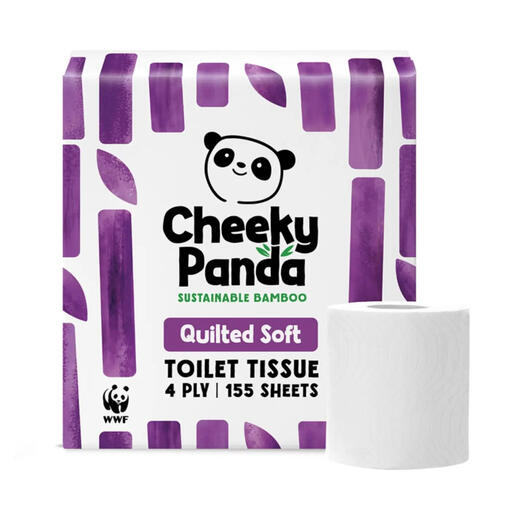
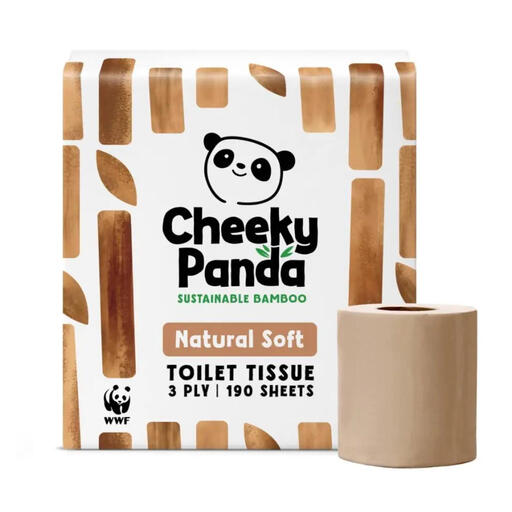
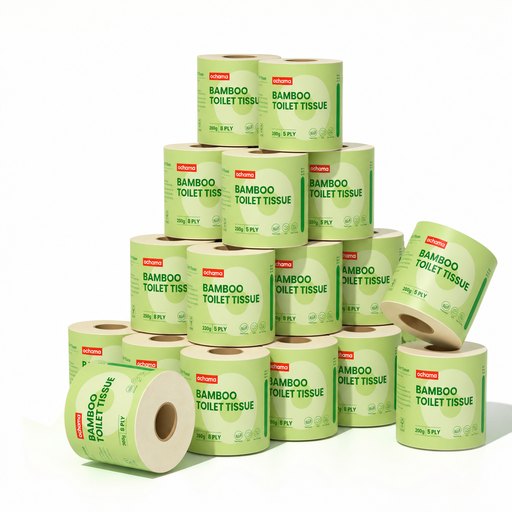
Adopting a more sustainable lifestyle often extends beyond just one room in the house. If you are interested in discovering more eco-friendly bamboo products, from practical kitchen towels to stylish storage solutions, you may find other items that fit perfectly into your home.
Explore our full range of kitchen bamboo items to see more.
1. Is bamboo toilet paper really as soft as regular toilet paper? Yes, it certainly can be. Modern production methods for bamboo toilet paper have advanced significantly. Features like a high ply count (such as 3-ply or even five-layer), along with quilting and embossing techniques, allow many bamboo options to offer a premium softness and texture that is comparable to high-end, tree-based toilet papers.
2. Is bamboo toilet paper safe for UK plumbing and septic systems? Generally, yes. As a biodegradable toilet paper, bamboo-based products are designed to break down quickly and effectively in water. This makes them safe for most standard UK plumbing and septic systems. It is always a good practice to check the product's packaging for specific information regarding flushability.
3. Why is some bamboo toilet paper an off-white colour? An off-white or natural beige colour is usually a positive indicator. It typically means you are looking at unbleached toilet paper. This shows that the product has not been processed with chlorine or other chemical whitening agents, making it a more natural and skin-friendly option.