
24/7 Customer Support

Free returns

Same-day & Next-day Delivery

Quality Guaranteed

Unlock Your Welcome Offers: FREE Delivery | Up to 80% OFF | Free 30-day JoyPlus trial
Download the APP
A good barbecue sauce can transform a simple meal into something memorable. Yet, the supermarket aisle presents a confusing array of options, from smoky American-style glazes to fiery international marinades. Choosing the wrong one can lead to disappointment, whether it's a flavour that falls flat or a sauce that simply slides off your food. Many home cooks find themselves let down by bottles that promise authentic taste but deliver little more than sugary syrup.
As the Joybuy Product Recommendation Officer, my role is to help you navigate these choices. We will look past the marketing claims to understand what really makes a great barbecue sauce for your specific needs. Here are the common pitfalls to watch out for:
To ensure you get the right product for your culinary plans, focus on these three core parameters before you buy.
The foundation of a sauce dictates its entire character. Understanding the base is crucial for matching it to your dish.
How you plan to use the sauce is just as important as its flavour.
"Spicy" can mean many things. The source of the heat dramatically changes the flavour experience. A spicy pork marinade made with Korean gochujang (fermented chilli paste) will have a deep, savoury heat, which is very different from the sharp, fruity fire of Scotch Bonnet peppers found in a Caribbean jerk sauce. Check the ingredients list to see if the heat comes from chilli powder, fresh peppers, pepper extracts or a fermented paste.
Instead of a generic list, we have matched some standout options to the cooks who will appreciate them most.

Why This Fits Their Persona: This user wants to create authentic-tasting international dishes at home, like Korean bulgogi. This sauce is specifically designed for that purpose, offering a genuine Korean flavour profile that goes beyond generic sweetness.
It sidesteps the "authentic flavour" trap by using a proper soy sauce base and pear puree, which provides both sweetness and a natural tenderising effect, true to traditional Korean marinades.
Its balanced sweet-savoury profile makes it a versatile beef marinade that also works well for pan-frying. The inclusion of onion and garlic puree adds aromatic depth.
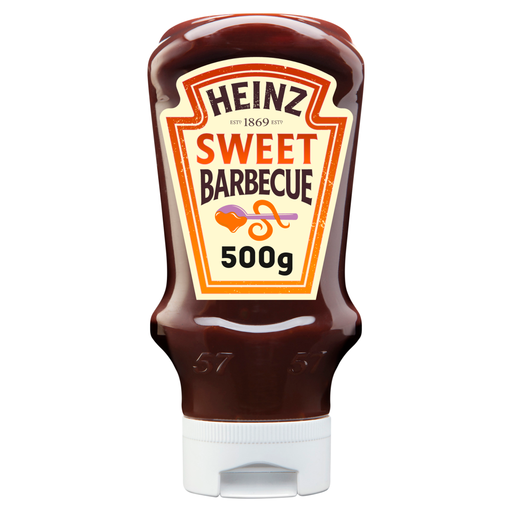
Why This Fits Their Persona: This user needs a reliable, crowd-pleasing sauce for family gatherings. It needs to be versatile enough for chicken, ribs and as a dip for picky eaters. A familiar, sweet and smoky flavour is key.
It avoids the consistency catastrophe. This is a purpose-built sticky barbecue sauce with a thick texture from modified cornflour and xanthan gum, ensuring it clings to food during cooking and dipping.
Its primary advantage is its versatility and familiar taste profile. It works equally well as a glaze, a marinade, or a dipping sauce for chicken and potato wedges. It contains no artificial colours or preservatives.
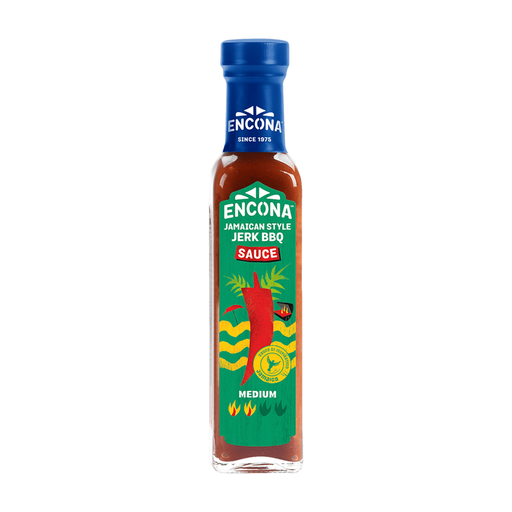
Why This Fits Their Persona: This cook is looking for genuine heat and complex spice, not just another sweet barbecue sauce. They want the authentic, aromatic kick of Caribbean jerk to liven up their chicken and ribs.
This is a true Jamaican jerk sauce, not a generic spicy BBQ sauce. It avoids the "authentic flavour" trap by featuring Scotch Bonnet peppers and a spice blend including pimento (allspice) high on its ingredients list.
It delivers a complex flavour profile that is smoky, spicy and aromatic all at once. It's a multi-purpose sauce that works well for marinating, basting, or as a fiery table dip.
We have compiled a complete, real-time list of products that fully satisfy these strict selection criteria and UK safety regulations.
This depends on the sauce and the type of meat. For a grilling marinade with acidic or enzymatic ingredients (like a Korean BBQ sauce with pear), 30 minutes to 4 hours is often sufficient for thinner cuts of meat. For tougher cuts, you can marinate overnight. For thicker, sugary glazes, it is often better to apply them during cooking rather than marinating for a long time, as the high sugar content can draw moisture out of the meat.
You should never use a marinade that has been in contact with raw meat as a dipping sauce without cooking it first. To do so safely, pour the leftover marinade into a saucepan and bring it to a rolling boil for at least one minute to kill any harmful bacteria. Many sauces, however, are designed for dual use and are perfectly safe to use as a dip straight from the bottle, provided you pour out what you need and do not cross-contaminate.
The most common reason for a burnt barbecue sauce is high sugar content. Sauces with a lot of sugar, molasses or honey will caramelise and then burn very quickly over direct, high heat. To prevent this, apply sticky barbecue sauce or glazes only during the last 10-15 minutes of grilling, or cook your food over indirect heat.