Choose a rice cooker with instructions for basmati or long-grain white rice, then match its usable batch range to the amount you normally cook. A compact model may suit small, frequent batches, while a simple larger cooker may suit family meals; induction heating and extra programmes are features to weigh against your needs, not substitutes for the exact model’s water and rinsing instructions.
Who needs which cooker?
Frequent basmati cooks
If you regularly cook basmati and care about its texture, start with the exact model’s long-grain instructions. Yum Asia and Zojirushi both publish grain guidance, but their directions are model-specific; do not assume one cooker’s water level or programme applies to another.
Small-household rice eaters
If you usually make a small batch, check the minimum uncooked-rice quantity as well as the cooker’s maximum capacity. Yum Asia positions its Panda model for individuals, couples and smaller kitchens, but its long-grain batch range still needs to fit the amount you make.
Family batch cooks
If you mainly cook for a household or guests, compare bowl capacity and your usual serving size. Automatic cooking, keep-warm and removable parts may matter more to your routine than extra rice programmes; Tefal and Russell Hobbs list large-capacity models with these features.
What matters when buying?
Start with the instructions you would use for basmati, check that your normal uncooked-rice quantity fits, then decide which controls and cleaning features matter in your kitchen.
| Concern |
What to check |
Who this matters to |
| Basmati preparation |
Find the exact model’s basmati or long-grain instructions, including its measuring cup, water guidance and programme. |
If I cook basmati often, I want directions I can follow for my usual rice rather than borrow a ratio from another appliance. Around 46% of consumers put basmati preparation first. |
| Small-batch fit |
Compare your uncooked-rice quantity with the model’s minimum and maximum, and check its dimensions against your available space. |
When I make rice for one or two people, a practical minimum batch and room for the cooker matter more than its largest serving claim. For around 27% of consumers, small-batch fit is the priority. |
| Family-size simplicity |
Check bowl capacity against your portions, whether keep-warm is automatic and which parts can be removed for cleaning. |
For family meals or guests, I would rather have enough capacity and straightforward controls than choose by the number of programmes. Larger, simpler batches come first for around 27% of consumers. |
Mistakes to avoid
-
Choosing by maximum capacity alone
A large bowl or serving claim does not tell you whether a cooker can make your everyday small batch. Long-grain guidance may specify a separate minimum uncooked-rice quantity.
Compare your normal batch with the exact model’s long-grain minimum and maximum before choosing by its headline capacity.
-
Copying another cooker’s water ratio
Yum Asia and Zojirushi give different model-specific directions for long-grain rice. A ratio or bowl marking from one cooker may not match another model’s supplied cup and programme.
Follow the measuring cup, water guidance and rinsing directions for the cooker you buy.
-
Treating keep-warm as a texture guarantee
Automatic keep-warm can make serving more convenient, but it does not establish how your preferred basmati will hold over time. Yum Asia’s long-grain guide notes that extended warming may call for additional water.
If you expect to hold rice before serving, read the model’s keep-warm instructions and try a small batch of your usual rice.
-
Overlooking electrical suitability
A cooker’s capacity and programmes cannot establish that its plug and voltage suit where you will use it. Electrical-product requirements can also differ between Great Britain and Northern Ireland, as GOV.UK’s guidance on the Electrical Equipment (Safety) Regulations 2016 explains.
Confirm the exact model’s voltage, supplied plug, safety documentation and seller support for your location before ordering.
Brands to consider for basmati cooking
Yum Asia
Yum Asia offers compact and larger rice-focused cookers, including induction-heating models, and publishes a grain guide that places basmati among long-grain white rice.
- Its UK grain guide gives model-specific long-grain directions, useful when checking how to prepare basmati in a particular cooker.
- Check each model’s stated batch range rather than assuming the compact Panda and larger Bamboo suit the same quantities.
Tefal
Tefal’s RK1568UK represents a straightforward, larger-capacity automatic rice cooker.
- Tefal UK Shop lists a 1.8 L bowl, automatic cooking, keep-warm, a removable non-stick bowl and a steam basket for the RK1568UK.
- If basmati texture is your priority, check the RK1568UK manual for its applicable rice and water instructions rather than assuming it has a dedicated basmati programme.
Russell Hobbs
Russell Hobbs has a 1.8 L rice cooker and steamer for larger batches.
- The listing describes a 10-cup capacity and automatic switching to keep-warm.
- Check the exact model’s manual for basmati measurements and cooking directions before relying on its general capacity description.
Joybuy rice cooker choices
These CUCKOO models offer different stated capacities and controls for small household batches or larger meals. For basmati, compare each model’s instructions and usable batch range before choosing by its headline cup capacity.
 No image available
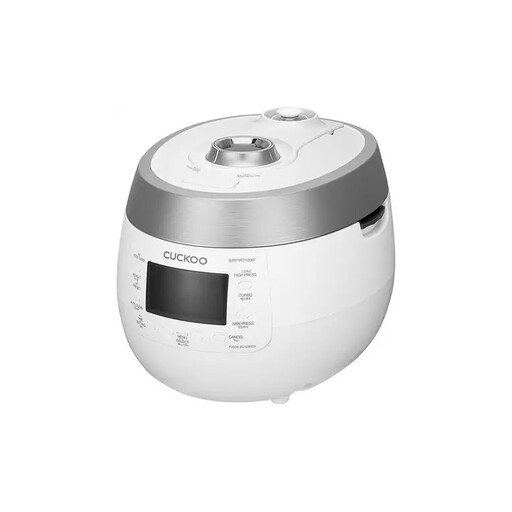
CUCKOO CRP-RT1008F Twin Pressure rice cooker, 1.8 L
Consider this model if you want a larger rice cooker with a choice of programmes, while checking which instructions apply to basmati.
The listed variant is 10-cup, 1150 W and has 15 programmes. Check its manual for the long-grain batch range, water guidance and safe use of its pressure settings; confirm the plug and voltage for your location.
View on Joybuy
 No image available
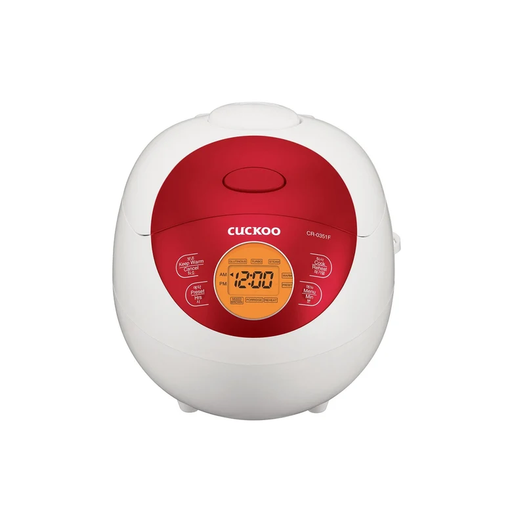
Cuckoo CR-0351F rice cooker, 0.54 L
Consider this smaller-capacity model if your usual rice portions are modest, provided its basmati minimum fits your batch.
The listed variant is 3-cup and 425 W, with fuzzy logic, keep-warm and a timer. Check the exact manual for long-grain measurements and confirm the plug and voltage for your location.
View on Joybuy
 No image available
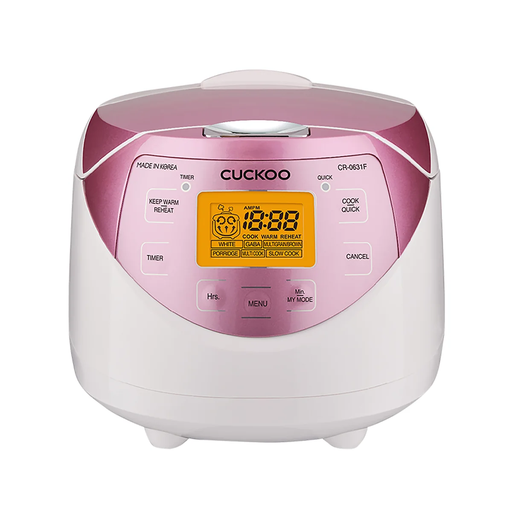
Cuckoo CR-0631F rice cooker, 1.08 L
Consider this mid-sized model if you want more stated capacity than a compact 3-cup cooker and can use its minimum basmati batch.
The listed variant is 6-cup and 580 W, with fuzzy logic, keep-warm and a timer. Check its manual for the applicable long-grain quantity and water guidance, and confirm the plug and voltage for your location.
View on Joybuy
 No image available
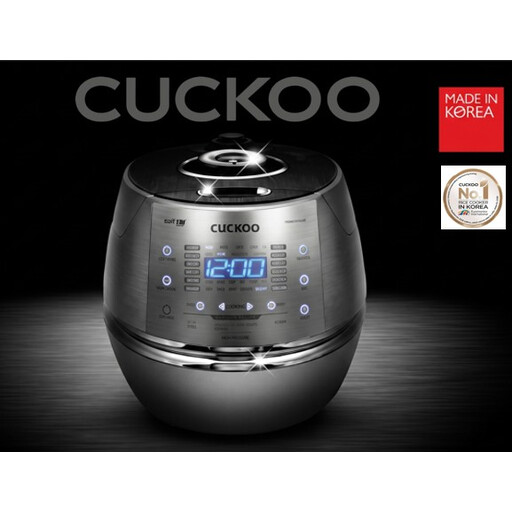
CUCKOO CRP-CHSS1009FN induction-heating rice steamer, 1.8 L
Consider this model if you want a larger induction-heating cooker, but choose it for basmati only after checking its exact cooking directions.
The listed variant is 10-cup and programmable. Confirm its minimum long-grain batch, water and programme instructions, plus the plug and voltage for your location.
View on Joybuy
Frequently asked questions
Do I need a dedicated basmati setting?
No, provided the cooker has usable instructions for cooking basmati or long-grain white rice. Yum Asia groups basmati with long-grain white rice in its grain guide, but its directions vary by model; follow the exact cooker’s cup, water guidance and programme rather than assuming all white-rice settings work alike.
Should I rinse basmati before putting it in a rice cooker?
Follow your cooker’s directions; both Yum Asia’s long-grain guide and Zojirushi’s published basmati directions specify rinsing. Use the rinsing and measuring method for the exact model you own.
Can rice cooker parts go in the dishwasher?
Check the instructions for each part rather than treating the whole cooker alike. Tefal UK Shop lists the RK1568UK glass lid, measuring cup, serving spoon and steam basket as dishwasher-safe, while describing its non-stick bowl as removable; follow the model manual for cleaning the bowl and cooker body.
What should I check before buying an electrical rice cooker for use in the UK?
Confirm the exact model’s voltage, supplied plug, safety documentation and seller support for your location. GOV.UK’s guidance on the Electrical Equipment (Safety) Regulations 2016 addresses equipment placed on the market in Great Britain and notes that some provisions apply differently in Northern Ireland under the Windsor Framework; use the applicable guidance for where you live.


