
24/7 Customer Support

Free returns

Same-day & Next-day Delivery

Quality Guaranteed

Unlock Your Welcome Offers: FREE Delivery | Up to 80% OFF | Free 30-day JoyPlus trial
Download the APP
Dealing with cracked, discoloured or mouldy sealant around your bath, shower or sink is a common household frustration. Not only does it look unsightly, but a failing seal can lead to water damage and further mould growth. Choosing the right bathroom sealant can feel overwhelming with so many options available.
This guide is designed to help you understand the different types of sealants and find a suitable solution for your home maintenance project, whether you're a seasoned DIYer or tackling this task for the first time. We'll look at key features to consider and highlight a few products for different needs.
Before you make a purchase, it helps to consider a few key factors. The right choice depends on the job at hand, your DIY confidence level and the result you want to achieve.
The first step is to decide which type of product fits your situation:
For wet areas like bathrooms and kitchens, certain features are non-negotiable:
Here are our recommendations, selected to address different user needs, from quick fixes to full replacements.
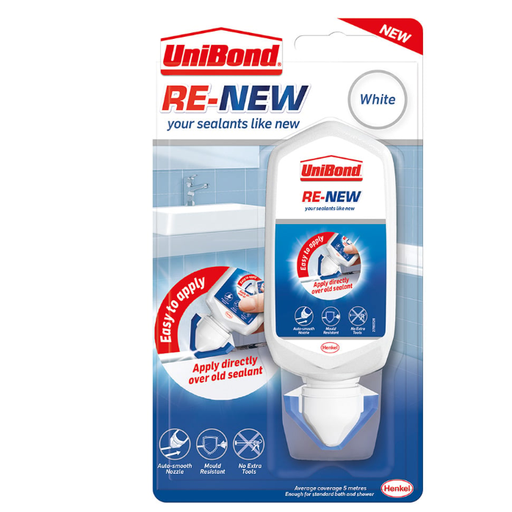
Why It Stands Out: This product’s main advantage is its simplicity. It is specifically formulated to be applied directly over old sealant, saving you the time and effort of removing the existing bead. The integrated smoothing tool helps to achieve a clean finish without needing extra tools.
Pros:
Who is it for? This is an excellent choice for DIY beginners, tenants in rented properties or anyone looking for a fast and effective way to refresh tired-looking sealant without undertaking a full removal and replacement project.
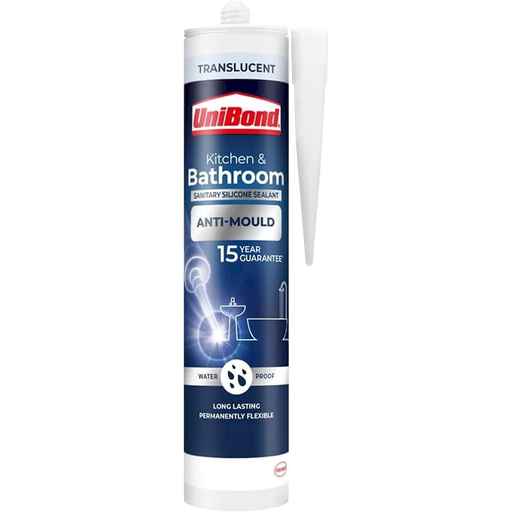
Why It Stands Out: As a traditional silicone sealant, this product is designed to provide a highly durable and long-lasting waterproof seal. It requires a cartridge gun for application and is the go-to choice for a full reseal bath project or a new bathroom installation, offering a professional-grade finish.
Pros:
Who is it for? This is aimed at homeowners and DIYers who are prepared to remove the old sealant to achieve a fresh, durable and professional finish that will last for years. It's ideal for bathroom renovations and new fittings.
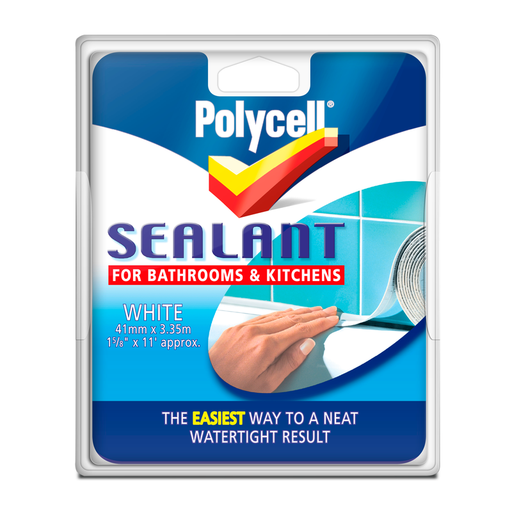
Why It Stands Out: This sealant tape eliminates the need for guns, tubes and smoothing tools. It’s a self-adhesive strip that you simply cut to length, peel and press into place. It’s a straightforward way to create a neat seal, especially along straight edges.
Pros:
Who is it for? This is perfect for anyone who lacks confidence with sealant guns or wants the quickest, cleanest possible solution for sealing straight gaps around baths, sinks and worktops. It's also a great option for quick repairs.
While these recommendations cover some of the most common needs, every project is unique. You might be looking for a specific colour, a different size or a sealant for another application.
For a wider selection of products, feel free to explore our full Adhesive Sealant category.
To properly reseal a bath, you should first completely remove the old sealant using a sealant remover tool and a solvent if needed. Clean the area thoroughly with a product like methylated spirits to ensure it is completely dry and free of dust or residue. Apply the new silicone sealant in a continuous bead, then use a smoothing tool or a wet finger to create a neat, concave finish. Finally, allow it to cure for the time specified on the packaging, typically 24 hours.
Both kitchen sealant and bathroom sealant need to be waterproof and mould resistant due to the high humidity in both environments. Often, a product labelled as "Sanitary" or "Bathroom & Kitchen" is suitable for both. The main differences can sometimes be in the available colours or specific formulations for adhesion to materials common in each room, but a high-quality sanitary sealant is generally versatile enough for either.
Drying times vary by product. Most silicone sealants are touch-dry within an hour, but they require a full 24 hours to cure completely and become fully waterproof. It is crucial to avoid exposing the new sealant to water until it has fully cured. Always check the manufacturer's instructions on the product packaging for specific timings.