
24/7 Customer Support

Free returns

Same-day & Next-day Delivery

Quality Guaranteed

Unlock Your Welcome Offers: FREE Delivery | Up to 80% OFF | Free 30-day JoyPlus trial
Download the APP
The biscuit aisle can be a dizzying place. With shelves packed with everything from classic digestives to exotic imports, choosing the right pack can feel like a gamble. We’ve all been there: you buy a promising-looking multipack only to find it’s half-full, or a "healthier" option that tastes like cardboard. As your Joybuy Product Recommendation Officer, my role is to help you cut through the clutter and find genuine value. Before you next fill your trolley, let’s look at the common pitfalls that lead to disappointing tea breaks.
To avoid these traps, a quick check of a few key details can make all the difference. Focusing on these parameters ensures you get what you're paying for.
The format of the packaging directly impacts freshness, convenience and portion control.
The ingredients list is your most reliable source of information. Look for the order of ingredients—if sugar is listed first, it's the main component. For those managing their sugar intake, no added sugar cookies are a specific category to explore, but it's still wise to check the carbohydrate and fat content to understand the full nutritional profile. Pay close attention to the allergens listed in bold to ensure the product is suitable for everyone in your household.
Not all biscuits are created equal. Understanding the different types helps you match a product to your preference and occasion.
Based on these practical considerations, here are a few recommendations tailored to different needs and preferences.

Why This Fits Their Persona: The fun hippo shape and creamy filling are a hit with children, while the individually wrapped portions make them a simple, no-fuss addition to lunchboxes or a quick after-school snack.
This is a true multipack where convenience is the goal. Each biscuit is sealed for freshness, avoiding the problem of a whole packet going stale after being opened for one snack.
Features a double cream filling with real hazelnuts and milk. The crispy wafer provides a satisfying texture contrast.
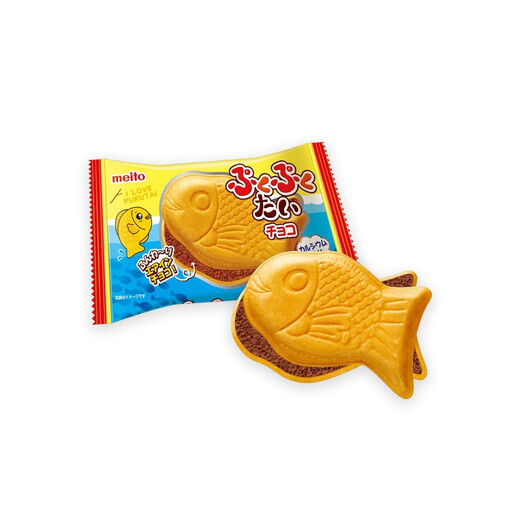
Why This Fits Their Persona: For those who enjoy exploring world foods, this is a fun and accessible entry into the world of Japanese snacks. It’s a playful take on the traditional fish-shaped Taiyaki cake, transformed into a light wafer format.
This snack avoids the flavour disappointment trap by delivering exactly what it promises: a light, crispy wafer shell filled with a sweet chocolate cream, a classic and popular combination in Japanese confectionery.
The texture is the main highlight, combining a monaka-style (light, airy) wafer with a smooth chocolate filling. It is individually wrapped, making it a convenient and novel treat.

Why This Fits Their Persona: This product directly caters to those looking to reduce their sugar intake without giving up treats entirely. It provides the classic cookies-and-cream flavour in a format that is explicitly marketed as having no added sugar.
It sidesteps the "healthy halo" trap by being transparent. The packaging clearly states it contains sweeteners (maltitol) and includes a warning that excessive consumption may have a laxative effect, allowing consumers to make an informed choice.
This is a high-fibre biscuit that is also suitable for vegans. The use of high-oleic sunflower oil is another notable feature.
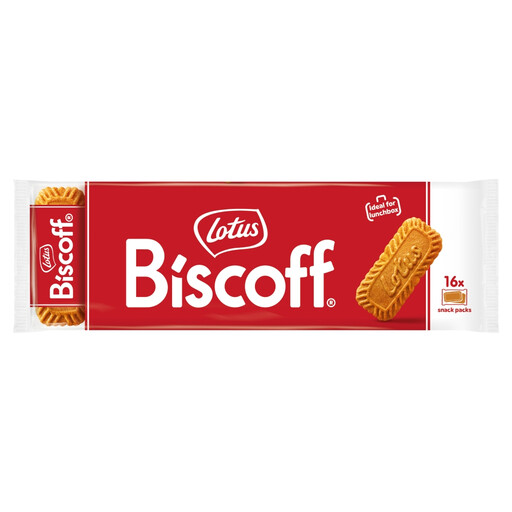
Why This Fits Their Persona: This biscuit is famous for being the perfect companion to coffee. Its unique caramelised, slightly spiced flavour complements the bitterness of coffee beautifully, enhancing the entire break-time experience.
The snack pack format offers excellent value and portion control. With 16 packs of two biscuits, it's easy to grab just what you need for your coffee without opening a large sleeve that could go stale.
The iconic caramelised flavour with notes of cinnamon is distinctive and satisfying. The biscuits are made with palm oil from sustainable and certified plantations.
We have compiled a complete, real-time list of products that fully satisfy these strict selection criteria and UK safety regulations.
Once a packet is opened, air and moisture are the main enemies of crispness. The most effective method is to transfer the remaining biscuits to an airtight container. A biscuit tin or a plastic container with a secure lid works well. Store it in a cool, dry place like a pantry, away from direct sunlight or heat sources like the oven.
There is a trade-off between convenience, food waste and packaging waste. While individually wrapped biscuits do generate more packaging per biscuit, they can also help reduce food waste by keeping each portion fresh until it's needed. This prevents a whole packet from going stale and being thrown away. Many consumers are finding a balance by buying multipacks for specific uses like lunchboxes, while opting for standard packs for home consumption.
In the UK, the terms are often used to describe different types of sweet baked goods. A 'biscuit' is typically harder, thinner and snappier, like a digestive or a rich tea. They are often less sweet and are the traditional partner for a cup of tea. A 'cookie' usually refers to a softer, chewier and often larger item, frequently containing chunks of chocolate, nuts or fruit. However, the lines are increasingly blurred, with many products using the terms interchangeably.