
24/7 Customer Support

Free returns

Same-day & Next-day Delivery

Quality Guaranteed

Unlock Your Welcome Offers: FREE Delivery | Up to 80% OFF | Free 30-day JoyPlus trial
Download the APP
The biscuit aisle can be a bewildering place. From timeless British classics to intriguing international snacks, the choice is vast. But with so much marketing noise, it’s easy to end up with a packet of disappointing sweet treats. As your Joybuy Product Recommendation Officer, my role is to help you navigate the options and find genuine value, whether you're stocking the office tin, packing a lunchbox or settling down for a cuppa.
Before you add to your basket, let's break down the common pitfalls that lead to buyer's remorse:
To sidestep these issues, it pays to look past the front of the packet and consider a few key parameters. These objective factors are what truly separate a satisfying crunch from a forgettable bite.
The texture and richness of a biscuit are largely determined by its fat source. Many classic British biscuits and shortbreads traditionally use butter, which provides a rich flavour and a crumbly, melt-in-the-mouth texture. However, many modern biscuits, including wafers and cream-filled varieties, use vegetable oils like palm oil. While this can create a very crisp texture, the flavour profile is different. If you see a brand mentioning the use of butter or sustainably sourced (RSPO certified) palm oil, it's often a sign of greater attention to ingredient quality. The type of flour, such as the inclusion of wholemeal or oats, also significantly impacts the final texture and taste, moving it from a light, airy wafer to a dense, rustic digestive.
The type of sweetener used affects more than just the taste. While standard sugar is common, many products use glucose-fructose syrup, which can create a chewier texture. For those managing their sugar intake, options with sweeteners like maltitol are available. It's worth noting the ingredients list, as products labelled "no added sugar" may still contain naturally occurring sugars or have other dietary considerations. For sandwich biscuits and filled varieties like milk cookies, the quality of the filling is paramount. Look for fillings made with real milk powder or cocoa, as this generally provides a more satisfying and less artificial flavour than those relying solely on flavourings.
For any coated or filled biscuit, balance is everything. A good chocolate biscuit isn't just about the chocolate; it's about the harmony between the crunchy base and the smooth topping. Some biscuits offer a thick, solid slab of chocolate on a crisp, light base, creating a distinct two-part experience. Others, like the famous Pocky sticks, focus on a thin, even coating that complements the biscuit stick without overwhelming it. Consider what you prefer: a chocolate-dominant treat or a more balanced, biscuity bite.
Instead of a generic list, here are a few recommendations from our catalogue, matched to specific snacking styles and preferences.

Why This Fits Their Persona: For those who believe a cup of tea is incomplete without a proper biscuit, this is the gold standard. It's a no-nonsense, reliable classic that delivers the familiar comfort of a crunchy wholemeal base and a smooth layer of milk chocolate. It’s the quintessential dunker.
This biscuit avoids the "premium" trap by being exactly what it claims to be: a well-made, classic British biscuit. Its value is in its consistency and heritage, not in flashy marketing.
Made with wholemeal wheat flour for a satisfying, rustic texture. The twin pack format offers good value for families and regular biscuit-eaters.
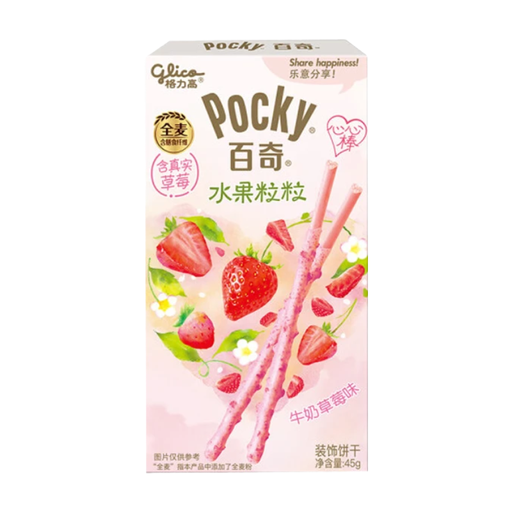
Why This Fits Their Persona: Ideal for those looking to explore popular Japanese snacks or find convenient lunchbox snacks. The stick format is fun, easy to share and mess-free, offering a light, crispy alternative to heavier biscuits.
This product doesn't try to be a traditional biscuit. Its appeal is its unique format and flavour experience, avoiding the "flavour over substance" trap by delivering a well-balanced, light snack where the coating and biscuit work in harmony.
The coating contains real strawberry pieces for a more authentic fruit flavour. The light, crispy texture makes it a satisfying snack that doesn't feel overly heavy.

Why This Fits Their Persona: For someone who appreciates a more refined treat without the fuss. This biscuit offers a distinctly European take on the chocolate biscuit, with a crisp, buttery base and a very generous slab of milk chocolate. It feels like an indulgence, making it perfect for a quiet moment or serving to guests.
The quality is tangible. It sidesteps the marketing trap by focusing on a simple but effective combination: a high chocolate-to-biscuit ratio where both components are well-made. The use of butter in the biscuit base is a key differentiator.
The crisp butter biscuit provides a satisfying snap that contrasts with the thick, smooth chocolate. It's a simple, elegant design that delivers a genuinely luxurious texture and taste.
We have compiled a complete, real-time list of products that fully satisfy these strict selection criteria and UK safety regulations.
The key to freshness is eliminating air and moisture. Once a packet is opened, the best method is to transfer the remaining biscuits to an airtight container. A classic biscuit tin with a snug-fitting lid is ideal. Store the container in a cool, dry place like a pantry, away from the heat of the oven or direct sunlight, which can melt chocolate coatings and degrade texture.
In the UK, the terms are often used to describe different things. A biscuit is typically firm, thin and crunchy, designed to snap (like a Digestive or a Rich Tea). They can be plain, coated or used in sandwich biscuits. A cookie, on the other hand, is generally softer, chewier and more substantial, often containing chunks of chocolate, fruit or nuts. The lines can blur, but if it snaps, it's likely a biscuit; if it's soft and chewy, it's probably a cookie.
When choosing biscuits with no added sugar, it's useful to check the ingredients list for the type of sweetener used. Many, like the Gullon Zero Cookies, use sweeteners such as maltitol. While this reduces the sugar content, it's important to be aware that, as noted on the packaging of such products, excessive consumption may have a laxative effect. These biscuits are also often high in fibre. They can be a suitable choice for those managing sugar intake, but it's always wise to consider the overall nutritional profile.