
24/7 全天候客户支持

免费退货

当日/次日达

品质保障

开启新人专享福利: 全场免邮 | 低至 2 折 | 免费试用 30 天 JoyPlus 会员
下载 Joybuy
A blocked nose is more than just an inconvenience. It can disrupt your sleep, ruin your concentration and make you feel thoroughly miserable, whether it's from a winter cold, a bout of sinusitis or the peak of hay fever season. When you're searching for stuffy nose relief, the pharmacy aisle presents a dizzying array of options. But not all sprays are created equal, and choosing the wrong one can be a waste of money or even make your symptoms worse.
As the Joybuy Product Recommendation Officer, my role is to help you navigate the choices and understand what really matters. Before you make a purchase, be aware of these common pitfalls that many shoppers fall into.
To find an effective solution and avoid the pitfalls, focus on these two key factors.
Most fast-acting nasal sprays available over the counter in the UK use one of two main active ingredients. Understanding the difference is key to managing your expectations.
fast acting decongestant. A xylometazoline spray typically gets to work within minutes by constricting the swollen blood vessels in your nose. Its effects generally last for up to 10 hours, making it a solid choice for all-day or all-night relief.This is a non-negotiable safety parameter. Always check the packaging for the maximum number of consecutive days you can use the product. For most xylometazoline and oxymetazoline sprays, the limit is seven days. Adhering to this guideline is the single most important step to prevent the onset of rebound congestion. If your symptoms persist beyond a week, it is advisable to stop using the spray and consult a pharmacist or your GP.
Based on these practical considerations, here are some recommendations matched to different user needs.
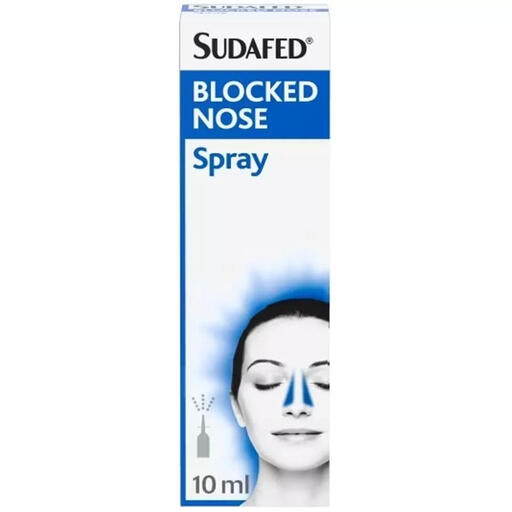
Why This Fits Their Persona: This is a straightforward and reliable choice for someone suffering from a common cold or sinus congestion who needs to get on with their day. It's a well-known brand that delivers what it promises: fast relief.
The packaging and leaflet clearly state the active ingredient (xylometazoline) and the 7-day usage limit, directly addressing the rebound congestion and ingredient confusion pitfalls.
Works within minutes to unblock nasal passages. Provides up to 10 hours of continuous relief, making it suitable for daytime or overnight use.
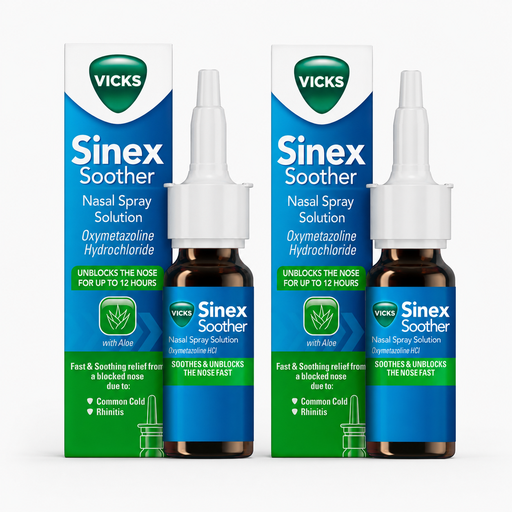
Why This Fits Their Persona: Ideal for those who prioritise duration, especially to get an uninterrupted night's sleep. The addition of aloe vera and menthol provides a soothing sensation that many find comforting when their nose is irritated.
This spray uses oxymetazoline, highlighting the importance of checking the active ingredient. It helps users make a conscious choice based on duration rather than just grabbing any box.
Provides relief for up to 12 hours. The formula is infused with aloe vera and a menthol/eucalyptus scent for a more pleasant application experience.
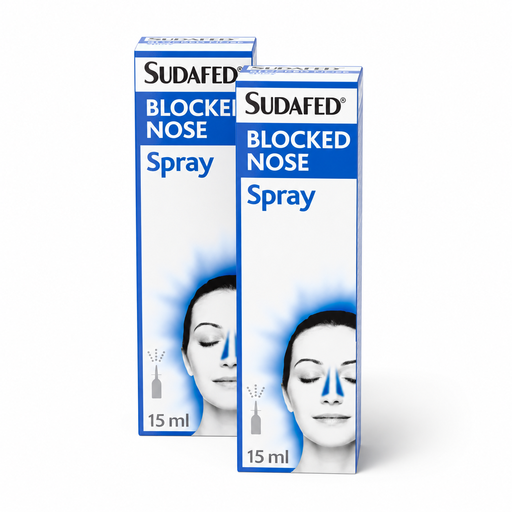
Why This Fits Their Persona: For those needing reliable `hay fever relief`, having a spare bottle is practical. This twin pack offers convenience and value, ensuring you're prepared for sudden flare-ups during high-pollen season.
Buying a twin pack encourages planned usage. It's a clear choice for short-term relief during allergy season, distinct from long-term steroid sprays, thus avoiding confusion between treatment types.
Excellent value with the two-pack format. The fast-acting xylometazoline formula provides up to 10 hours of relief from allergy-related congestion.
We have compiled a complete, real-time list of products that fully satisfy these strict selection criteria and UK safety regulations.
Medicated decongestant sprays like the ones mentioned are intended for short-term use only (up to 7 days). Using them daily for chronic allergies can lead to rebound congestion. For long-term management of hay fever, it is best to speak with a pharmacist or your GP, who may recommend other treatments like antihistamine tablets or corticosteroid nasal sprays.
A nasal decongestant spray contains a medicated active ingredient (like xylometazoline) that works by shrinking swollen blood vessels in your nasal passages to relieve blockage. A saline spray is a drug-free solution of salt and water that helps to moisturise the nose, thin mucus and wash away irritants, but it does not have a direct decongestant effect.
For hygiene reasons, a nasal spray should only ever be used by one person. Sharing a spray can easily transfer germs and bacteria from one person's nasal passages to another's, potentially spreading colds or other infections. Always keep your spray for personal use.