
24/7 全天候客户支持

免费退货

当日/次日达

品质保障

开启新人专享福利: 全场免邮 | 低至 2 折 | 免费试用 30 天 JoyPlus 会员
下载 Joybuy
Navigating the world of home health devices can feel overwhelming. When you decide to buy a blood pressure monitor, you are met with a wall of technical jargon and marketing claims. Many people in the UK find themselves with a device that is either inaccurate, difficult to use or missing key functions. As the Joybuy Product Recommendation Officer, my role is to help you sidestep these issues and find a device that genuinely meets your needs.
Before you add anything to your basket, let's look at the common pitfalls that can lead to a poor purchase:
To avoid these traps, focus on a few core parameters. These are the non-negotiable features that separate a reliable monitor from a gadget.
The most important factor is accuracy. Look for a digital blood pressure monitor that is "clinically validated". This means it has been tested against medical standards to ensure its readings are precise. In the UK and Europe, you should look for:
An upper arm bp monitor is generally considered more reliable for home use than wrist-based models, as the upper arm is closer to the heart and less prone to measurement errors from wrist position.
As mentioned, cuff size is critical. An incorrect fit will give you incorrect readings. Before you buy, measure the circumference of your bare upper arm midway between your shoulder and elbow.
If your measurement is on the borderline, it is often better to choose the larger size. Many people require a large cuff blood pressure monitor, so always check the cuff dimensions in the product specifications.
Beyond accuracy, certain features make a monitor practical for daily life.
Here are a few options that align with different user needs, keeping the above criteria in mind.
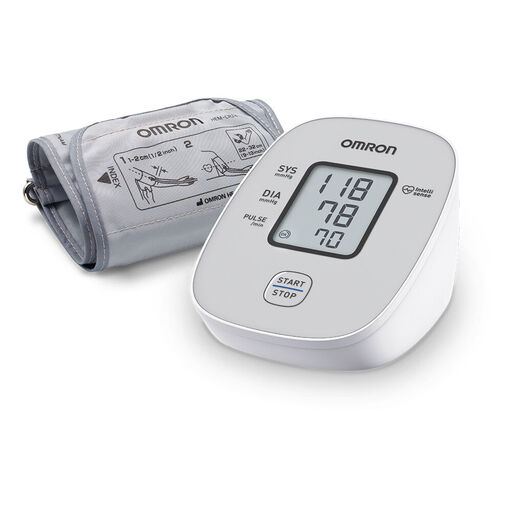
Why This Fits Their Persona: Ideal for someone who needs a straightforward, reliable device for regular monitoring without complex features. It's perfect for keeping a simple check on blood pressure as part of a daily routine.
This is a clinically validated upper arm monitor, avoiding the inaccuracy of non-medical gadgets. Its one-button operation and cuff wrap guide ensure correct use, sidestepping the common pitfall of user error.
Features irregular heartbeat detection and stores the last reading for easy comparison. It comes from a well-regarded brand in medical devices.
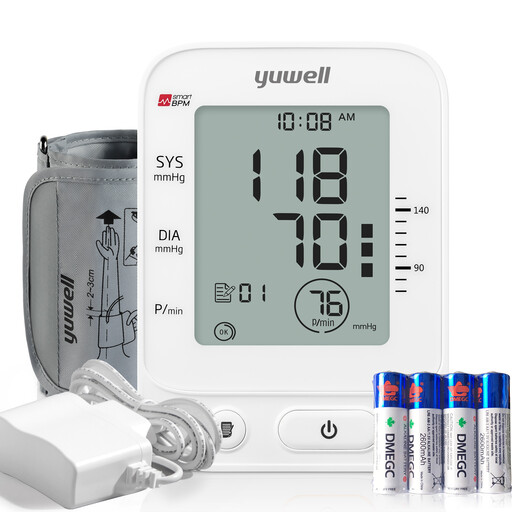
Why This Fits Their Persona: For those who want to diligently track their health over time, perhaps for themselves and a partner. The large memory and clear display are practical for regular, long-term use.
It directly counters the "missing features" trap by including a power adapter (saving on battery costs) and a substantial 99-reading memory, so you don't lose valuable data. The large display is also a bonus for readability.
This monitor is CE certified and meets ESH/AAMI standards. It features irregular heartbeat detection and a hypertension indicator for more comprehensive monitoring.
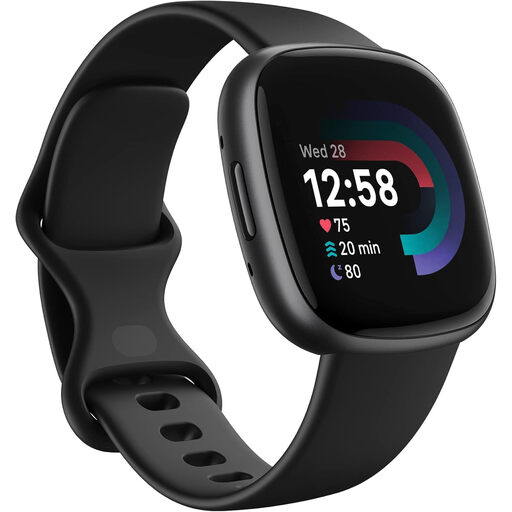
Why This Fits Their Persona: For the active individual who wants a holistic view of their health, including sleep, activity and heart rate. This is a popular fitness tracker UK residents use for motivation and general wellness insights.
This recommendation directly addresses the "medical vs. wellness" confusion. It is positioned correctly as a wellness device for tracking trends in activity, sleep and heart rate—not as a medical blood pressure monitor. Always consult a doctor for medical advice.
Offers a wide range of features including built-in GPS, 40+ exercise modes, sleep tracking and SpO2 monitoring, all integrated into a user-friendly app.
We have compiled a complete, real-time list of products that fully satisfy these strict selection criteria and UK safety regulations.
Yes, when used correctly. The accuracy of a home blood pressure machine depends on three things: choosing a clinically validated device, using the correct cuff size for your arm and following the measurement instructions properly (e.g., sitting still, arm at heart level). Upper arm monitors are generally recommended by health professionals for their reliability.
An upper arm bp monitor measures blood pressure from the brachial artery, which is a standard practice in clinical settings. Readings are less affected by body position. Wrist monitors are more sensitive to the position of your wrist; if it's not held exactly at heart level, the reading can be inaccurate. For this reason, most healthcare providers in the UK recommend upper arm models for home monitoring.
This should be guided by your GP or practice nurse. They may recommend a specific schedule, such as twice a day (morning and evening) for a week, a few times a year or more frequently if you are starting a new treatment. The key is consistency—try to measure at the same times each day for comparable results. Always discuss your readings and any concerns with a healthcare professional.