
24/7 Customer Support

Free returns

Same-day & Next-day Delivery

Quality Guaranteed

Unlock Your Welcome Offers: FREE Delivery | Up to 80% OFF | Free 30-day JoyPlus trial
Download the APP
The right board game can turn a quiet evening into a night of laughter and friendly competition. But with shelves overflowing with options, it is easy to make a purchase you later regret. Many of us have been lured in by a flashy box, only to find the game inside falls short. As a Product Recommendation Officer, my role is to help you see past the marketing and choose a game that genuinely fits your needs.
Before you buy, be aware of these common pitfalls:
To ensure your next purchase is a hit, focus on these core parameters rather than just the theme or box art.
A game's box will state a player range, such as "2-6 players," but this does not mean it plays equally well at all counts. Some strategy games are brilliant as a two-player duel but become slow and chaotic with four. Conversely, many party games only come alive with a larger group. Consider your typical gathering. Is it for a quiet night with your partner or a lively games for family night with the kids? Check if the game has specific rules or adjustments for different player counts, as this often indicates a more thoughtfully designed experience.
Understanding a game's core mechanics is crucial for matching it to your group's personality. Are you looking for:
Be realistic about the time you have. The box might say a game takes 45 minutes, but that often does not include the initial setup and explanation of the rules. If you are looking for a quick burst of fun for a family games night, a game with a 10-minute setup and 30-minute playtime is ideal. Longer, more complex games that take hours are better suited for dedicated hobbyists with an afternoon to spare.
Based on the criteria above, here are a few recommendations matched to different types of players and occasions.
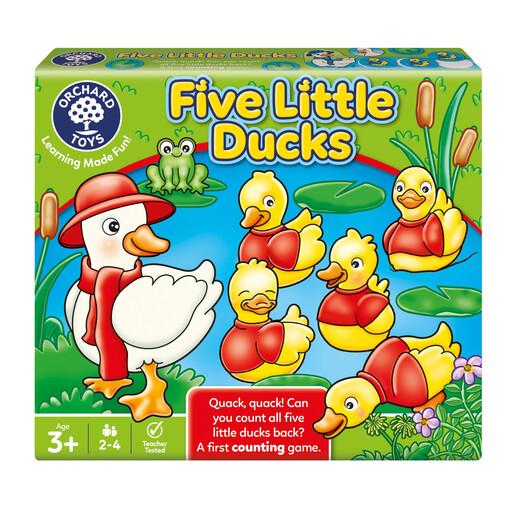
Why This Fits Their Persona: Perfect for UK families introducing preschoolers to board games. It uses a familiar nursery rhyme to make the rules intuitive and engaging for little ones, turning playtime into a gentle learning experience. It's one of the ideal children's games for this age group.
It avoids the "fun for all ages" fallacy by being specifically designed for ages 3+. The rules, theme and components are all tailored to preschoolers, ensuring they remain engaged without being overwhelmed.
Develops early counting and colour recognition skills. The components are chunky and durable, designed to withstand use by small hands.
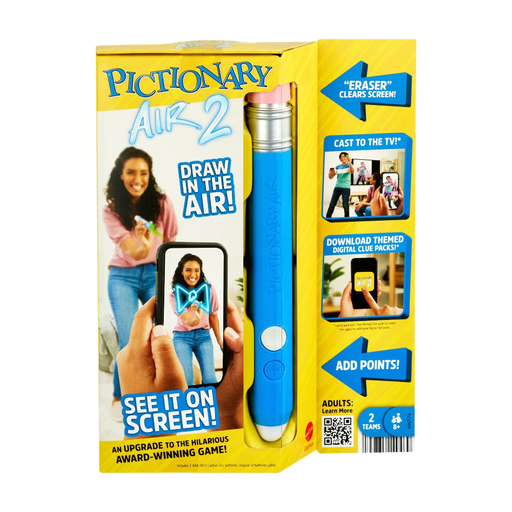
Why This Fits Their Persona: This is a modern take on a classic party game, perfect for lively gatherings. The tech integration—drawing in the air and seeing it on a screen—is a great icebreaker and generates a lot of laughter, making it a standout among adult party games.
It counters the "endless replayability" myth by sourcing its variety from player creativity and downloadable digital clue packs. The fun comes from the players' hilarious attempts to draw, not a static game board.
Gets players up and moving. The ability to cast the game to a TV makes it a great spectator sport for the whole room. Digital clue packs can be updated and tailored to different groups.
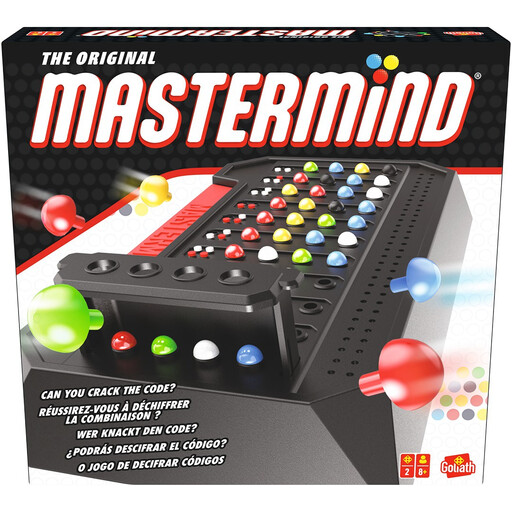
Why This Fits Their Persona: This is a pure, head-to-head battle of wits. It is perfect for those in the UK who enjoy logic puzzles and deductive reasoning without the randomness of dice rolls. It is a quintessential two-player strategy game that is easy to learn but challenging to master.
Its replayability is mathematically guaranteed. With thousands of possible code combinations, no two games are ever the same. It relies on pure logic, not flashy but finite content, for its longevity.
Enhances logical reasoning and problem-solving skills. The game is compact, quick to set up and a full round can be played in 15-20 minutes.
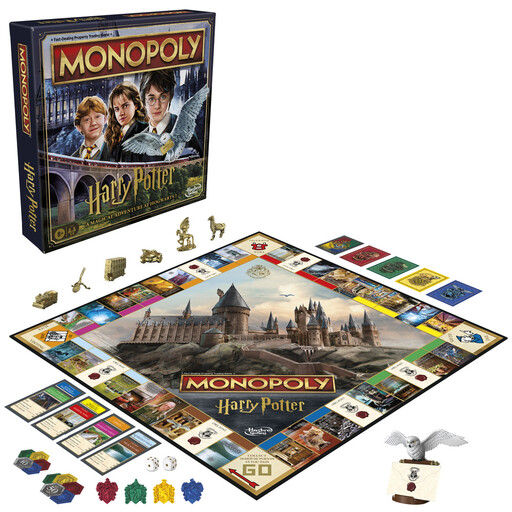
Why This Fits Their Persona: For the fan who wants to be immersed in a beloved universe. This game combines the familiar, competitive fun of Monopoly with iconic locations and characters from the wizarding world, making it an ideal gift or centrepiece for a themed game night.
It sidesteps the "reskin" trap by delivering exactly what its audience wants: a familiar game mechanic wrapped in a deeply loved theme. The value is in the thematic immersion, not in pretending to be a brand-new strategic experience.
Features iconic locations like Hogwarts and Diagon Alley. The themed game pieces and detailed artwork make it a great collectible item for fans.
We have compiled a complete, real-time list of products that fully satisfy these strict selection criteria and UK safety regulations.
For a successful games for family night, prioritise inclusivity. Look for a game with a player count that matches your family size, a theme that appeals to everyone and a playtime that fits your schedule. Cooperative family games, where everyone works as a team, are a great way to encourage collaboration and avoid arguments. Also, check the recommended age to ensure it is appropriate for your youngest player.
Not necessarily. A higher price can be due to several factors: premium components like wooden pieces or detailed miniatures, licensing fees for a popular franchise (like a film or TV show) or a complex design with hundreds of unique cards. A simple, inexpensive word game like Scrabble can provide just as much long-term enjoyment as a costly, elaborate one. Judge a game on its mechanics and suitability for your group, not its price tag alone.
The main difference is their goal. Party games are designed to facilitate social interaction, laughter and fun in larger groups. They usually have simple rules that can be explained in minutes. Strategy games, on the other hand, are focused on deep thinking, planning and outwitting your opponents. They often involve more complex rules and are typically enjoyed by smaller groups who appreciate a mental challenge.