
24/7 全天候客户支持

免费退货

当日/次日达

品质保障

开启新人专享福利: 全场免邮 | 低至 2 折 | 免费试用 30 天 JoyPlus 会员
下载 Joybuy
For the dedicated UK angler, selecting the right boat fishing rod is a decision driven by precision, not just preference. You already know the difference a well-balanced rod makes when you’re drifting over a reef or casting into a feeding frenzy. The challenge isn't understanding the basics; it's finding a rod that excels at the specific techniques you employ, from working modern lures to deep-water bait fishing. This guide is designed to help you navigate the options, focusing on practical features and performance characteristics relevant to UK sea angling.
Before looking at specific models, let's cover a few key factors that separate a good rod from the right rod for your boat fishing.
The 'action' of a rod describes where it bends under load. This is critical for effective fishing.
The marine environment is unforgiving. A rod intended for use at sea must be built to withstand corrosion. When selecting a saltwater fishing rod, pay close attention to the hardware. Look for guide frames made from corrosion-resistant materials like stainless steel or titanium, paired with durable ring inserts that can handle braided lines. The reel seat should also be of high quality, ensuring your reel is held securely trip after trip.
Modern offshore fishing rod blanks are typically built from carbon fibre. The specific materials and construction methods determine the rod's weight, sensitivity and power. A lighter rod reduces fatigue during a long day on the water, while a sensitive blank transmits every knock and tap from the seabed or a subtle bite. The key is to find a blank that offers the power needed to control a strong fish without sacrificing the sensitivity required for your chosen fishing style.
Here are our recommendations, selected for their specific design features and suitability for popular UK boat fishing disciplines.
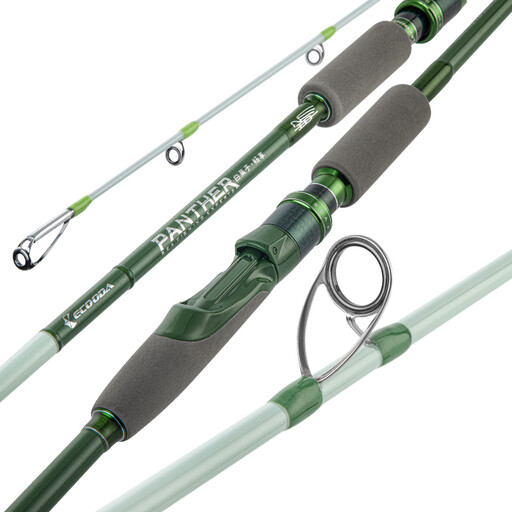
Why It Stands Out: The EPCB is a versatile option for the angler who enjoys various light offshore tactics. Its blank is designed to offer a balance between sensitivity for bite detection and the backbone required to handle species like pollack, cod and wrasse. The construction focuses on providing a lightweight yet powerful tool suitable for both bait and light jigging applications.
Pros:
Who is it for? This rod is an excellent choice for the all-round boat angler who needs a reliable and capable tool for general light-tackle offshore work around the UK coastline.
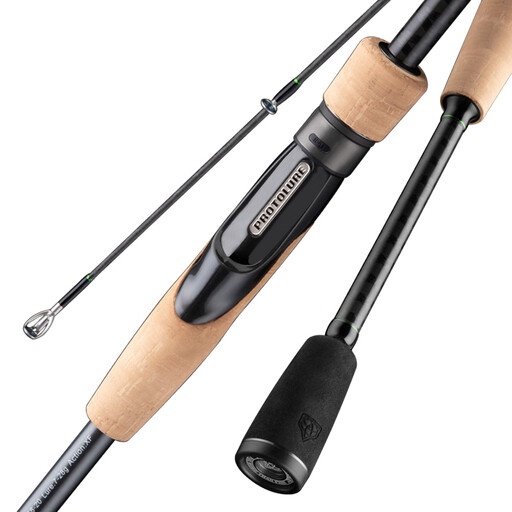
Why It Stands Out: As a purpose-built sea bass rod for UK waters, the Protolure CC is engineered for performance with modern lures. Its fast-action blank provides exceptional feedback, allowing you to feel exactly what your lure is doing. This sensitivity is paired with a responsive tip for casting accuracy and a powerful butt section to exert control during the fight.
Pros:
Who is it for? This is a specialist's tool, aimed squarely at the serious lure angler who demands precision and feedback when targeting sea bass from a boat.
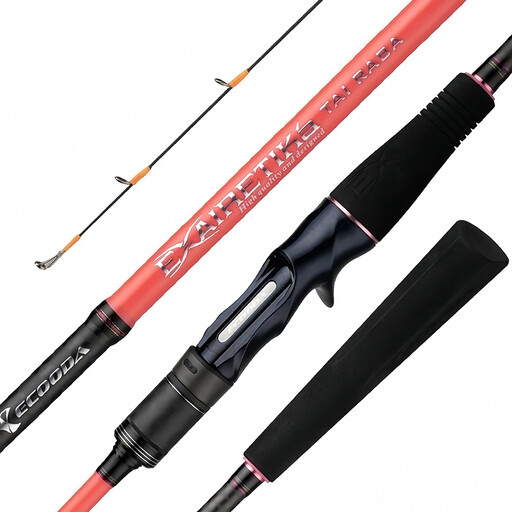
Why It Stands Out: This rod is designed for the increasingly popular Japanese techniques of Tai Rubber and Tenya. These methods rely on a slow, steady retrieve and a rod that allows the fish to take the lure without alarm. The EETB features a very sensitive, solid carbon tip that visually indicates a bite, which then transitions into a powerful blank to lift fish from the depths. This is a fine example of a purpose-built Tai Rubber rod.
Pros:
Who is it for? This is for the technical angler looking to specialise in or already practising the finesse styles of Tai Rubber and Tenya fishing. It is one of the ECOODA fishing rods built for a very specific, and effective, purpose.
If these specialist models don't quite match your requirements, or if you're exploring different fishing styles, our broader collection is an excellent place to continue your search.
? Explore our full range of light fishing rods here.
1. What is the main difference between a boat rod and a shore rod? The primary difference is length. Boat rods are typically shorter (usually 6-8 feet) to provide better leverage and manoeuvrability in the confined space of a boat. Shore rods are much longer (10-15 feet) to achieve maximum casting distance from the beach or rocks.
2. Can I use a freshwater lure rod for sea fishing? While it might work for a single trip, it is not recommended for long-term use. Freshwater rods are not built with corrosion-resistant components. The guides, reel seat and even the finish can quickly degrade when exposed to saltwater, leading to equipment failure. A dedicated saltwater fishing rod is a much more durable investment.