
24/7 Customer Support

Free returns

Same-day & Next-day Delivery

Quality Guaranteed

Unlock Your Welcome Offers: FREE Delivery | Up to 80% OFF | Free 30-day JoyPlus trial
Download the APP
Navigating the body wash aisle can feel overwhelming. Shelves are packed with bottles promising everything from spa-like bliss to revolutionary skin benefits. But how do you separate genuine quality from clever marketing? Many of us have been disappointed by a shower gel that either left our skin feeling tight and dry or failed to live up to its luxurious claims. As your Joybuy Product Recommendation Officer, my role is to help you see past the hype and make a choice that truly suits your skin and your budget.
Before you add another bottle to your basket, let's look at two common pitfalls that lead to buyer's remorse:
natural body wash can still contain potential allergens or be formulated with a base of harsh cleansers, with the "natural" ingredients present in only trace amounts. The key is to look at the full ingredient list, not just the marketing highlights.To avoid these traps, focus on what's inside the bottle. Understanding a few core components will empower you to choose a product that cleanses effectively while caring for your skin.
The primary job of a body wash is to clean, and it does this using ingredients called surfactants. Instead of just looking for a sulphate-free body wash, it's helpful to recognise the different types:
A good moisturising body wash does more than just clean; it helps maintain your skin's hydration. Look for these ingredients on the label:
body wash for dry skin in mind, checking for these is crucial.For those with specific needs, certifications provide a reliable shortcut:
sensitive skin shower gel should ideally be labelled "dermatologically tested" and "hypoallergenic". A soap-free formula is also a good indicator of a gentle product.vegan shower gel will often carry logos from The Vegan Society or PETA, confirming no animal-derived ingredients or testing were used.Based on these practical criteria, here are a few recommendations tailored to different needs and preferences.
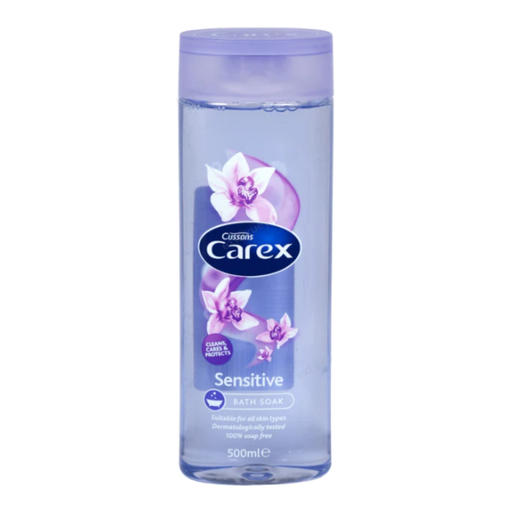
Why This Fits Their Persona: This is a reliable choice for households where different family members have sensitive skin. Its gentle, soap-free nature makes it suitable for both young and mature skin, providing a comforting cleanse without causing irritation.
It directly counters the "rich lather" myth. Its 100% soap-free formula cleanses gently without relying on harsh foaming agents that can strip the skin, making it ideal for daily use.
Dermatologically tested and paraben-free, its "skin support system" helps maintain the skin's natural barrier. The large 500ml bottle offers good value for family use.
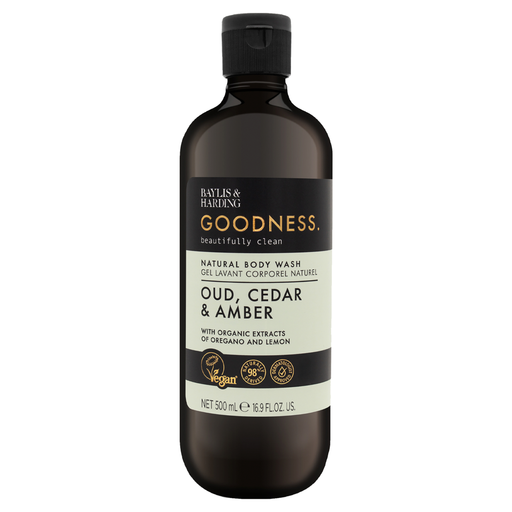
Why This Fits Their Persona: For those who want their purchases to align with their values, this body wash ticks all the boxes. It combines a luxurious, `scented shower gel` experience with clear ethical and environmental commitments.
It sidesteps the "natural" ambiguity trap with transparency. It states it contains 98% naturally derived ingredients and is registered with The Vegan Society, providing verifiable claims rather than vague marketing.
The formula is 95% biodegradable and the bottle is made from 100% recycled plastic. It uses mild, plant-based cleansers and is dermatologist approved, making it a kind choice for both skin and planet.
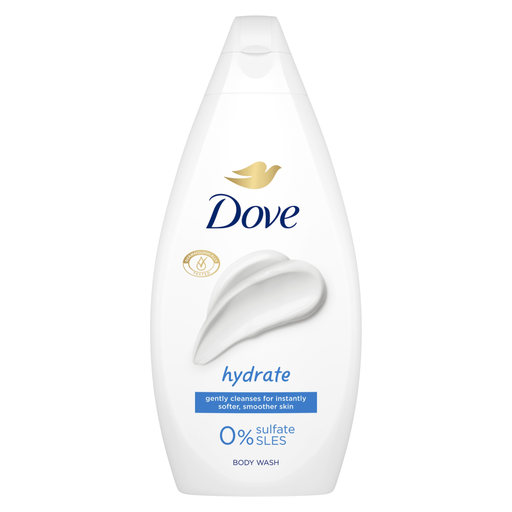
Why This Fits Their Persona: This is for the person who wants their daily shower to actively improve their skin's softness and hydration. It's a widely trusted product that delivers a creamy, nourishing experience, making it a go-to for combating dryness.
This formula is sulphate-SLES-free, proving that a rich, creamy lather doesn't require harsh detergents. It cleanses effectively while respecting the skin's microbiome, debunking the "more foam is better" idea.
It contains a blend of 3 unique skin conditioners and plant-based moisturisers that absorb into the skin to replenish moisture. The formula is also 97% biodegradable and comes in a 100% recycled plastic bottle.
We have compiled a complete, real-time list of products that fully satisfy these strict selection criteria and UK safety regulations.
Historically, shower gel tended to have a firmer, gel-like consistency, while body wash was more liquid and creamy. Today, the terms are largely interchangeable. The most important difference isn't the name, but the formulation. A body wash is often formulated with more moisturising ingredients (emollients and humectants), making it a good choice for those with dry or normal skin.
Look for three key things on the label and ingredients list. First, check for a "sulphate-SLES-free" or "soap-free" claim. Second, scan the ingredients for moisturisers like Glycerin, Shea Butter (Butyrospermum Parkii Butter) or various oils. Third, a creamy texture is often a good sign that the product is formulated to be less drying than a clear gel.
It is generally not recommended. The skin on your face is more delicate and has different needs than the skin on your body. Body washes, even gentle ones, can be too harsh for facial skin and may disrupt its pH balance, leading to dryness or breakouts. It's always better to use a dedicated facial cleanser. The only exception is for products explicitly labelled as multi-use for face and body, such as some men's shower gel formulas.