
24/7 Customer Support

Free returns

Same-day & Next-day Delivery

Quality Guaranteed

Unlock Your Welcome Offers: FREE Delivery | Up to 80% OFF | Free 30-day JoyPlus trial
Download the APP
Frequent colouring, heat styling and even environmental factors can take a toll on our hair, leaving it looking and feeling dry, brittle and damaged. If you're noticing more split ends, a lack of shine and strands that snap easily, you're not alone. This kind of damage occurs when the internal structural bonds of the hair are broken. Fortunately, the hair care market has responded with a new generation of products designed to address this very problem.
A bond repair conditioner is more than just a surface-level moisturiser. It's formulated to penetrate the hair fibre and help reinforce its internal structure. This guide is designed to help you navigate the options and understand what makes an effective hair repair treatment, so you can find a solution that helps restore your hair's strength and smoothness.
With so many products available, selecting the right one can feel overwhelming. Here are a few practical points to consider to help you make an informed choice.
The effectiveness of a strengthening conditioner often comes down to its formula. Look for products that contain ingredients known for their restorative properties. For example, citric acid is a small molecule that can penetrate the hair cortex to help rebuild broken bonds from within. Other beneficial ingredients include biotin, which supports hair strength, and various proteins and lipids that help replenish the hair's natural structure and moisture barrier. These ingredients work together to improve resilience and reduce the visible signs of damage.
The level and type of damage your hair has sustained will influence which product is right for you. Hair that is frequently bleached or chemically treated often requires a more intensive hair conditioner than hair that is simply dry or frizzy. A good conditioner for bleached hair will typically offer deep repair and hydration to counteract the harsh chemical process. Similarly, a conditioner for coloured hair should help to not only repair damage but also protect your colour from fading.
Most conditioners are designed to be rinsed out after a few minutes. However, some modern formulas offer more versatility. A leave-in conditioner for damaged hair can provide continuous nourishment and protection throughout the day, which is particularly useful for managing frizz and preventing further breakage from styling. Some products can even be used both ways, offering a quick rinse-out treatment on some days and a more intensive leave-in application when your hair needs extra support.
We've looked at the market to identify some standout options that address the core needs of damaged hair. Here are our recommendations.
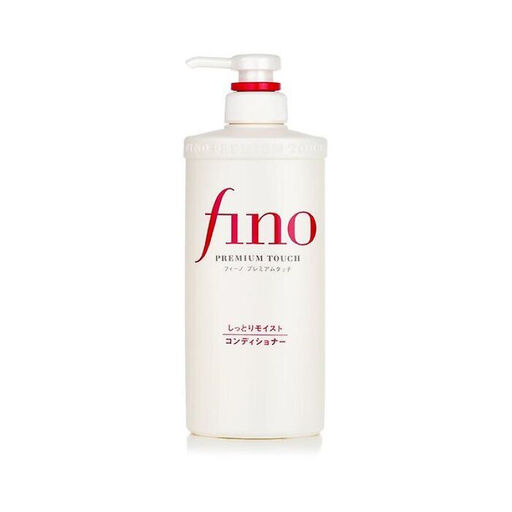
Why It Stands Out: This conditioner is designed as an intensive care treatment for hair that has been put under stress. Its formula is focused on restoring moisture, smoothness and shine. It contains a blend of nourishing ingredients, including royal jelly EX, PCA and Lipidure EX, which work together to deeply condition the hair, improve its ability to retain moisture, and leave it feeling soft and manageable.
Pros:
Who is it for? This is a great option for individuals whose hair is damaged from colouring, perms or environmental factors and who are seeking a rich, nourishing conditioner to restore softness and shine.

Why It Stands Out: This conditioner is part of a system that targets damage at a deeper level. It is powered by a Citric Acid Complex, which is designed to penetrate beneath the hair's surface to help reinforce broken internal bonds. According to L'Oréal, their Bond Repair routine is designed to deliver significant results, including stronger hair with less breakage and more shine. The rich formula also helps to detangle hair, making it easier to manage post-wash.
Pros:
Who is it for? This conditioner is aimed at those with visibly damaged hair, especially from bleaching and heat styling, who are looking for a targeted treatment to rebuild strength from within.

Why It Stands Out: This Pantene conditioner offers a highly concentrated formula designed to reverse visible signs of damage. It is enriched with biotin and features over 5,000 Pro-V Nutri Pearls, a unique technology that releases nutrients into the cream. A key feature is its versatility; it can be used as a traditional rinse-out conditioner or as a leave-in conditioner for damaged hair, providing lasting nourishment without weighing it down.
Pros:
Who is it for? Ideal for those with extremely dry, damaged hair who want a versatile and powerful biotin conditioner. Its dual-use function makes it a practical choice for anyone needing flexible hair care options.
While these three conditioners offer excellent solutions for hair repair, they are just a starting point. Every head of hair is unique, and you may be looking for something different to suit your specific needs or preferences.
If you're still exploring, we invite you to browse our complete collection of Hair Treatment Products to discover a wider range of conditioners, masks and treatments.
A regular conditioner primarily works on the surface of the hair, smoothing the cuticle to make it feel softer and easier to detangle. A bond repair conditioner is a more advanced hair repair treatment. It is formulated with active ingredients that are small enough to penetrate the hair shaft and help reinforce the internal bonds that give hair its strength and structure.
This depends on the specific product and your hair's condition. Many modern formulas, including some of the ones highlighted in this article, are gentle enough for daily use. However, a very intensive hair conditioner or mask might deliver better results when used 1-2 times per week as a deep treatment. Always refer to the directions on the product packaging for the recommended usage.
Yes, in many cases, it will. Frizz is often a symptom of a damaged, porous hair cuticle that struggles to retain moisture. By helping to repair the hair's internal structure and smooth the cuticle, a bond repair conditioner improves the hair's overall health and its ability to hold onto hydration. This results in a smoother surface and provides effective frizz control.